

For a long time, we’ve been taught to judge purchases by their upfront price. Cheaper often feels better in the moment. But cheap often means poor quality and short lived. And that means more waste.
Instead of asking “How much does this cost today?” people are starting to ask a different question. How long will I actually use this? This shift is where cost per use comes in.
I first saw this idea gaining traction in fashion. Cost per wear helped people justify buying fewer, better pieces by spreading the cost across years of wear. A coat worn hundreds of times suddenly felt like better value than a cheaper one replaced every season. I wanted to apply that same thinking beyond my wardrobe and into my home, and into your home too.
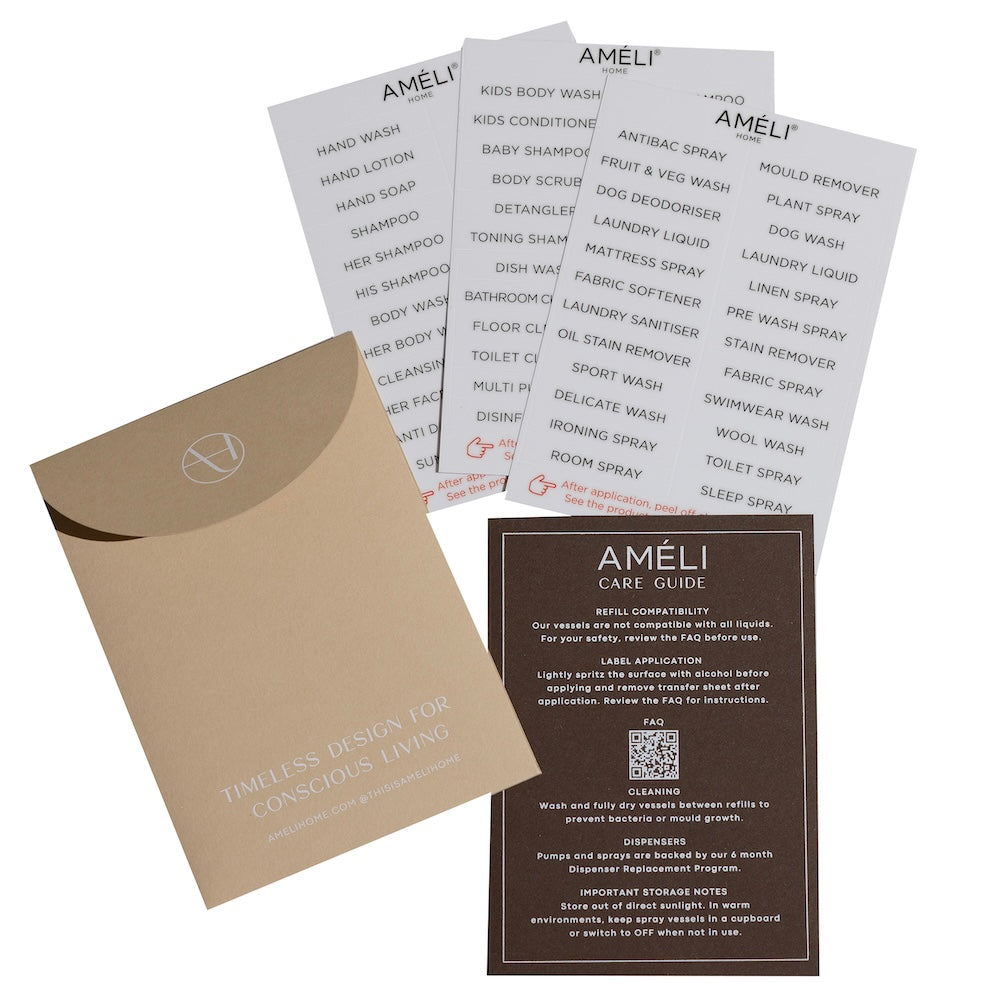
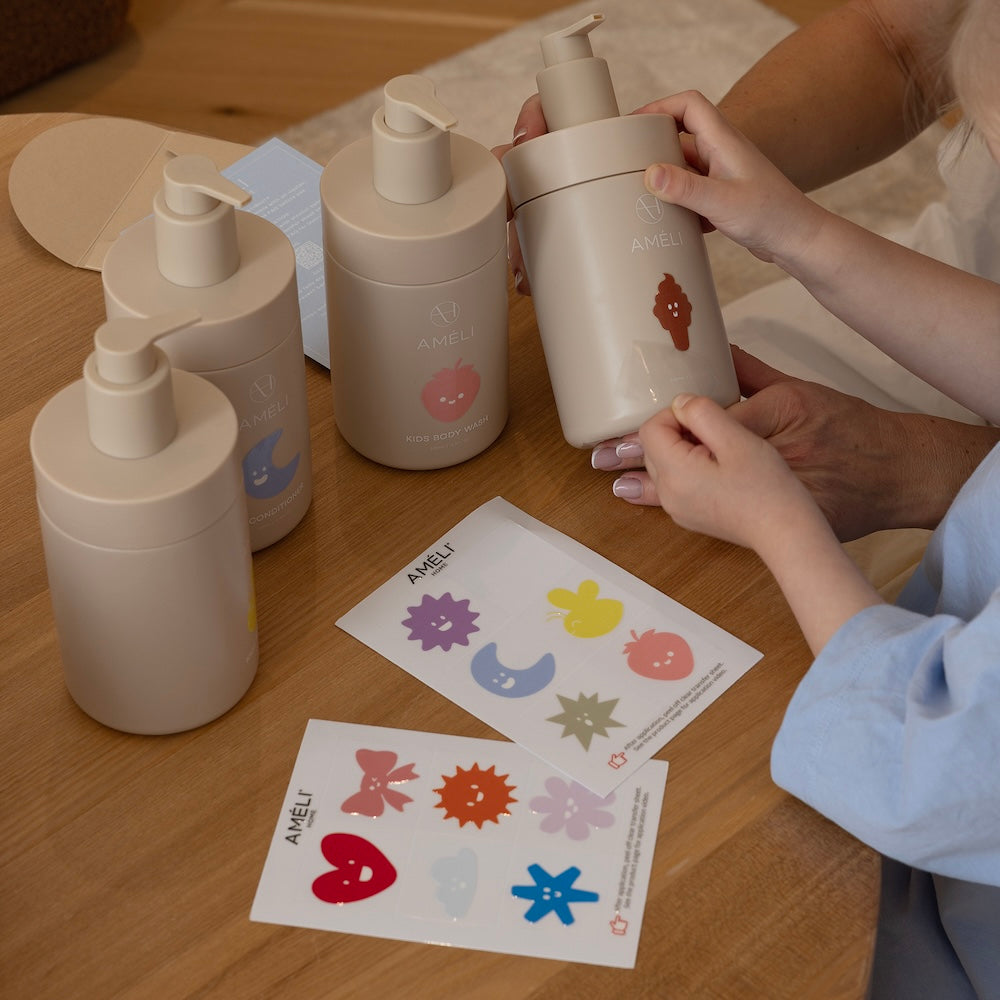
Our homes are filled with items we use every single day. Hand soap. Cleaning sprays. Dish liquid. Body wash. These are small, habitual actions repeated thousands of times a year, yet they’re almost always packaged in items designed to be short-lived and easily replaced.
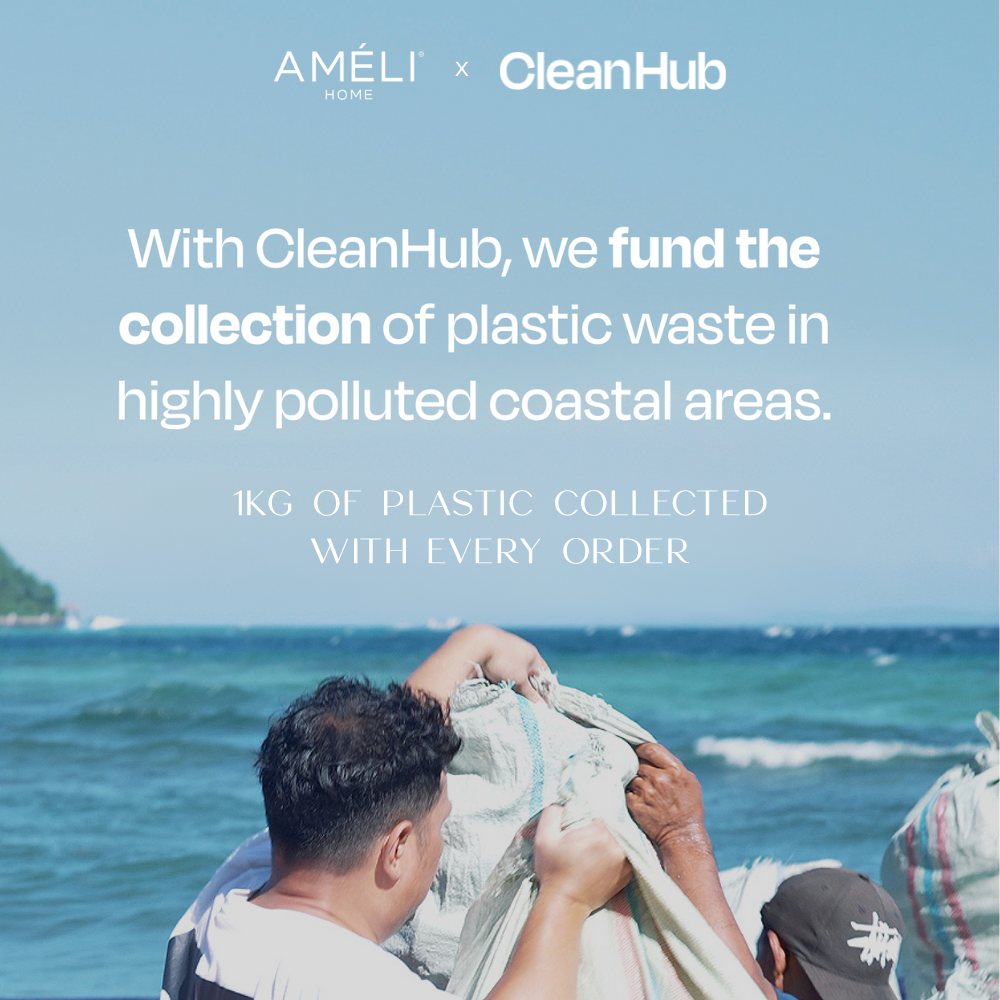
When something is cheap but designed to be replaced, the real cost shows up later. More purchases. More waste. More single-use plastic. Cost per use reframes that entirely.
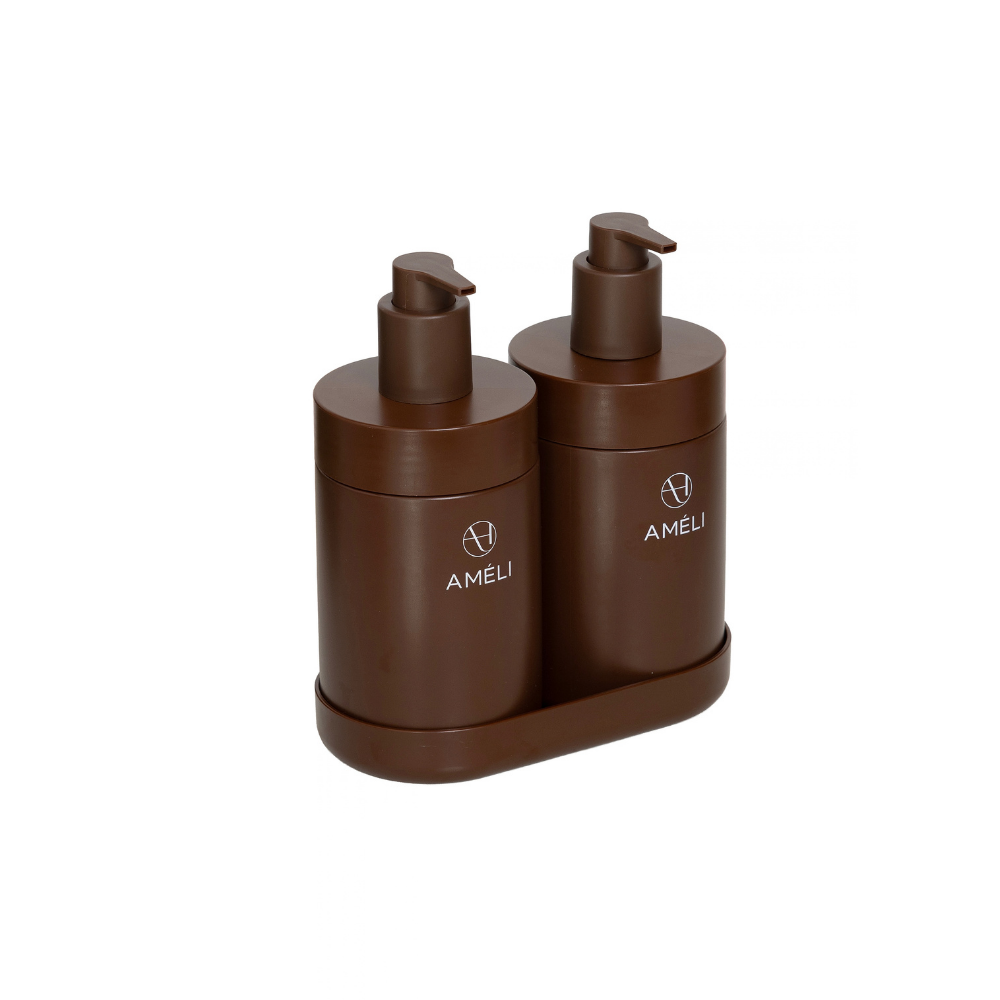
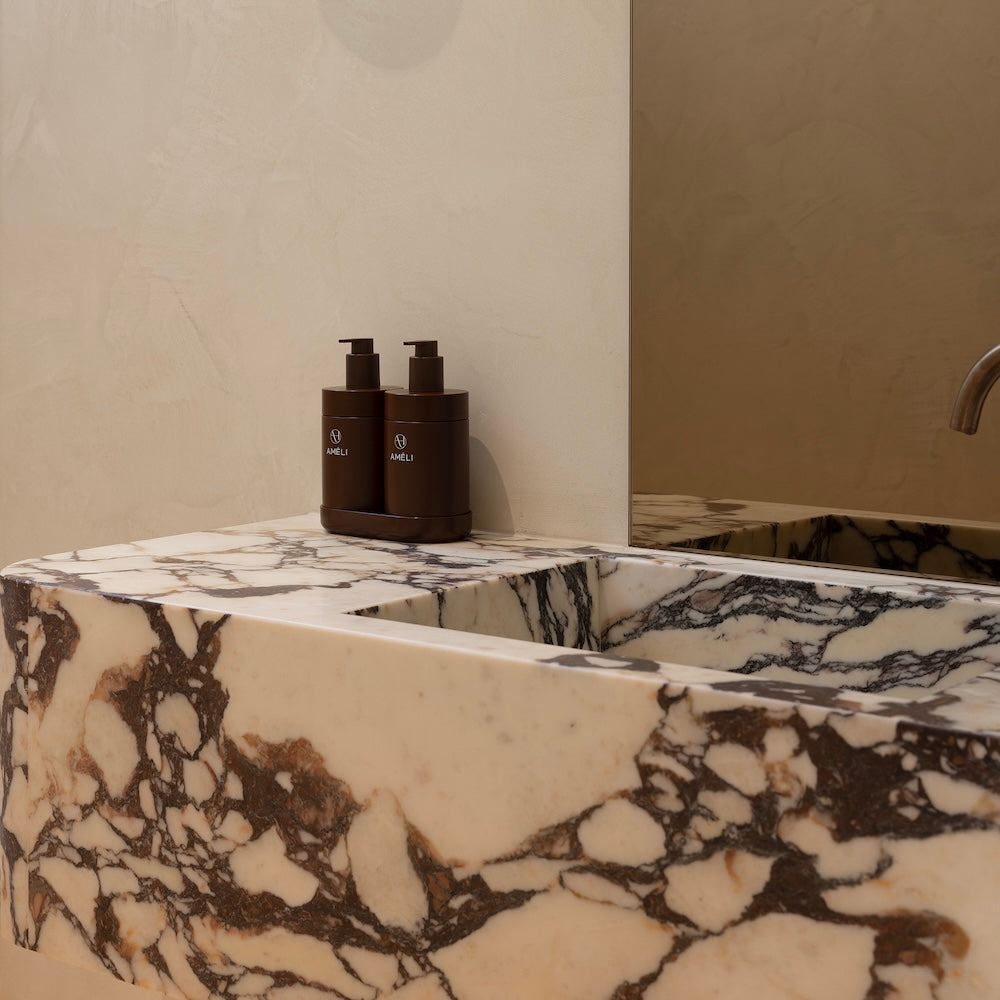
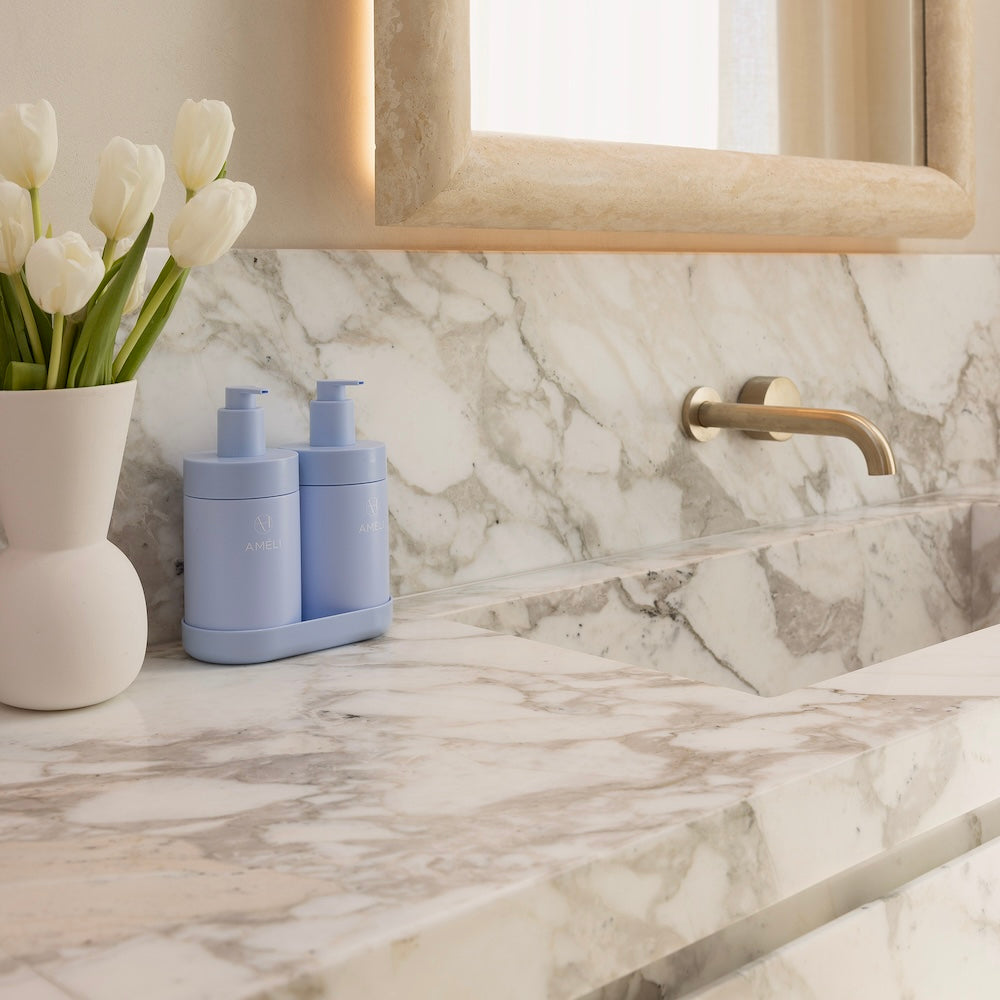
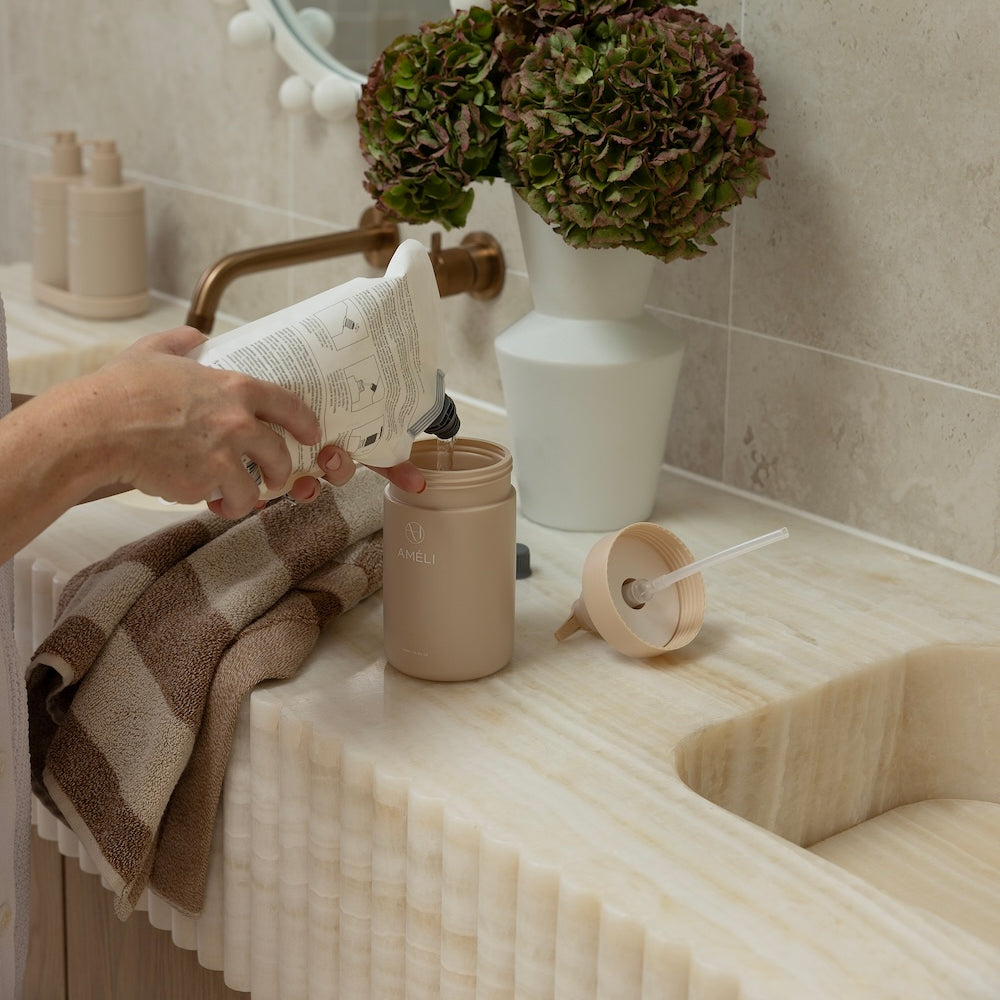
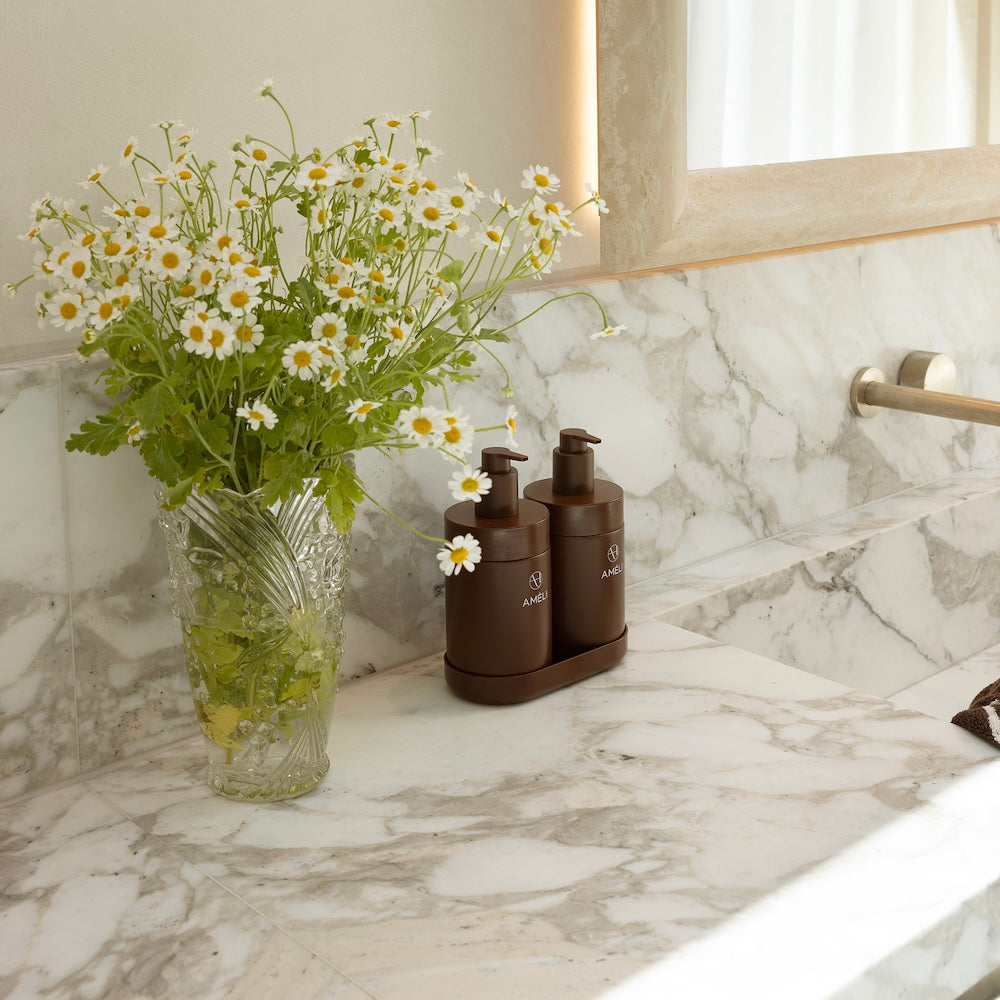
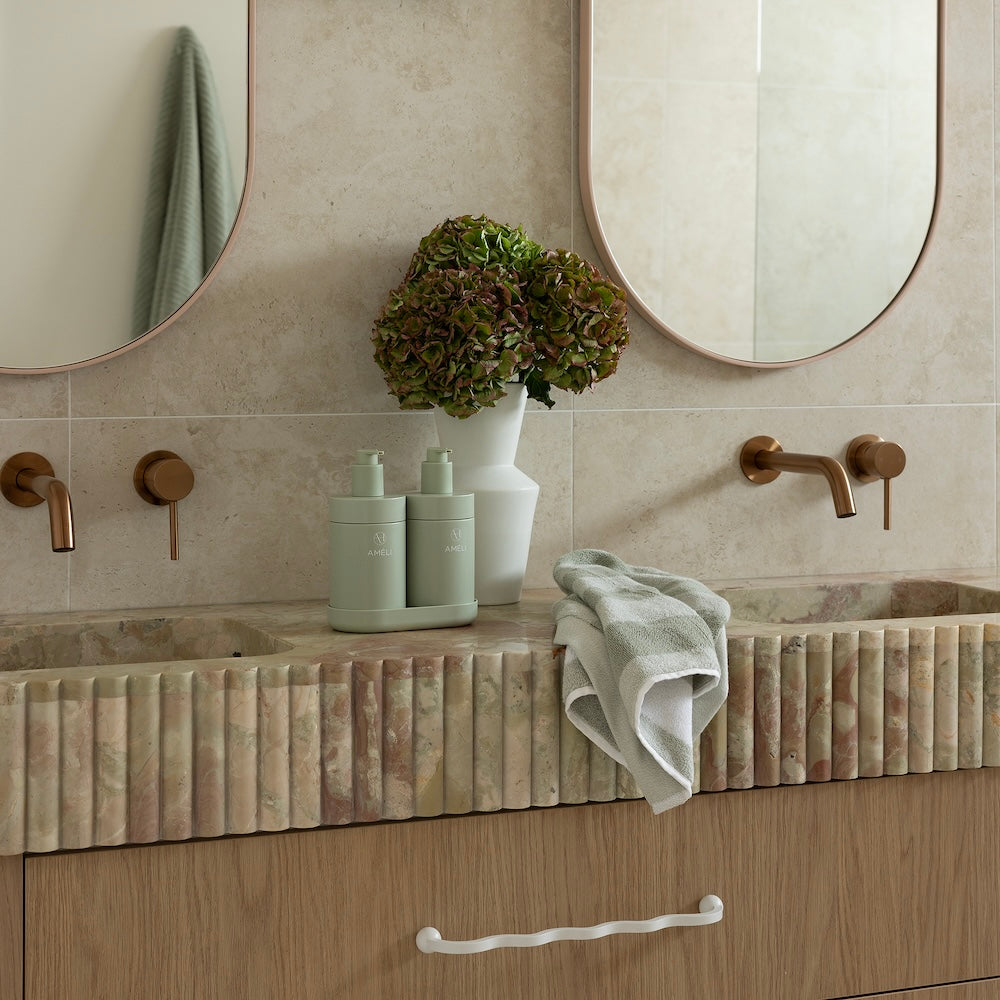
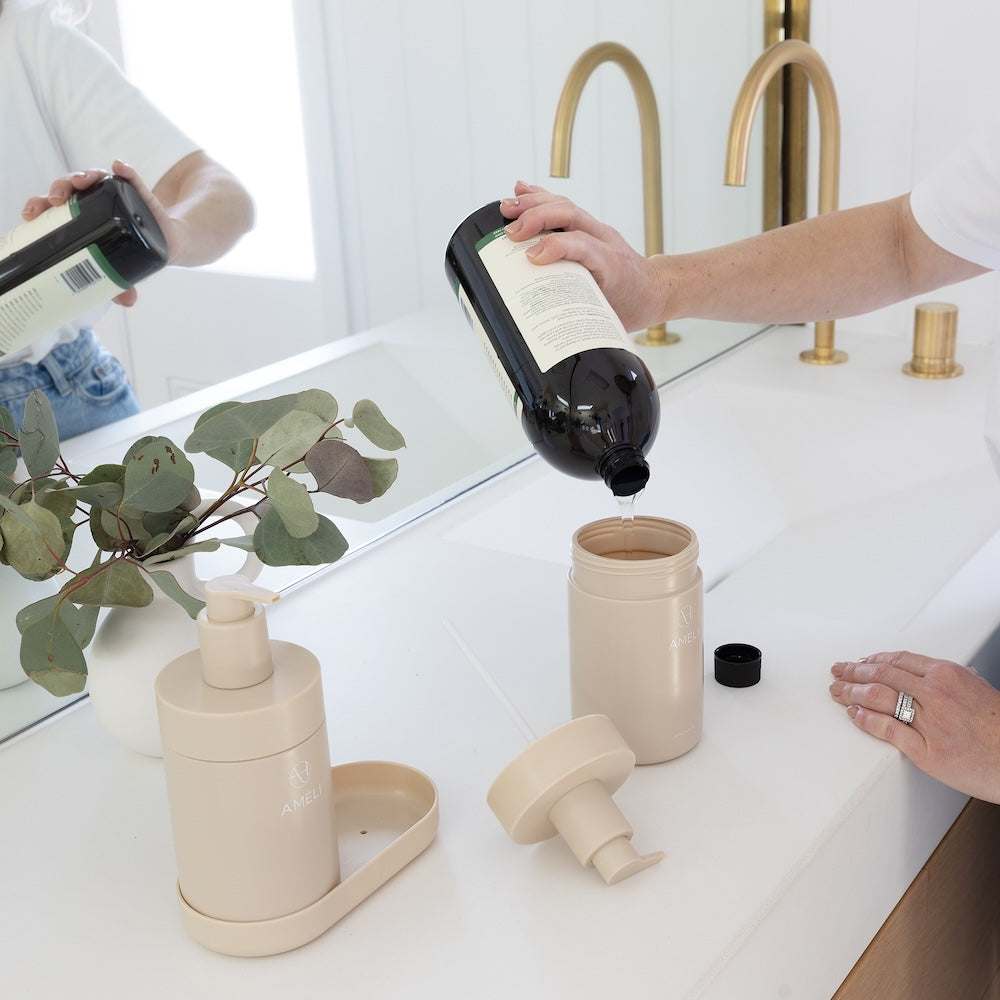
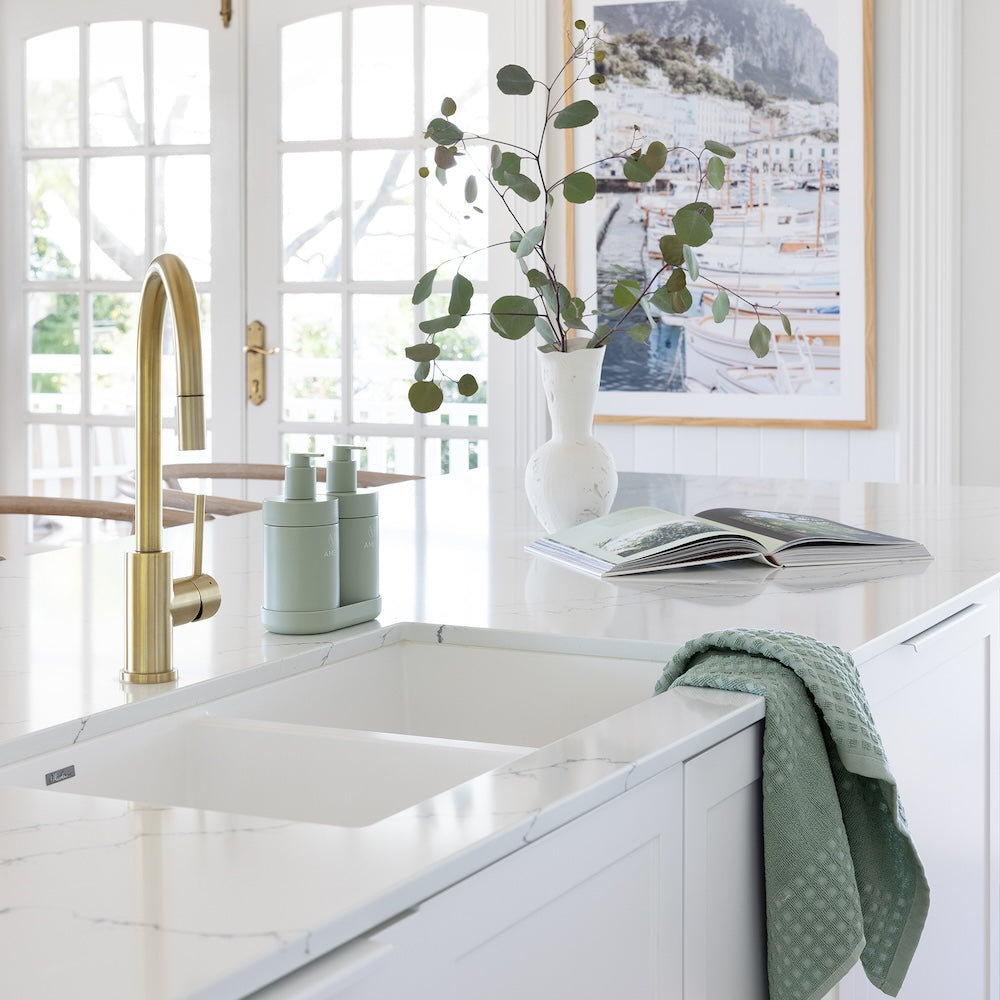
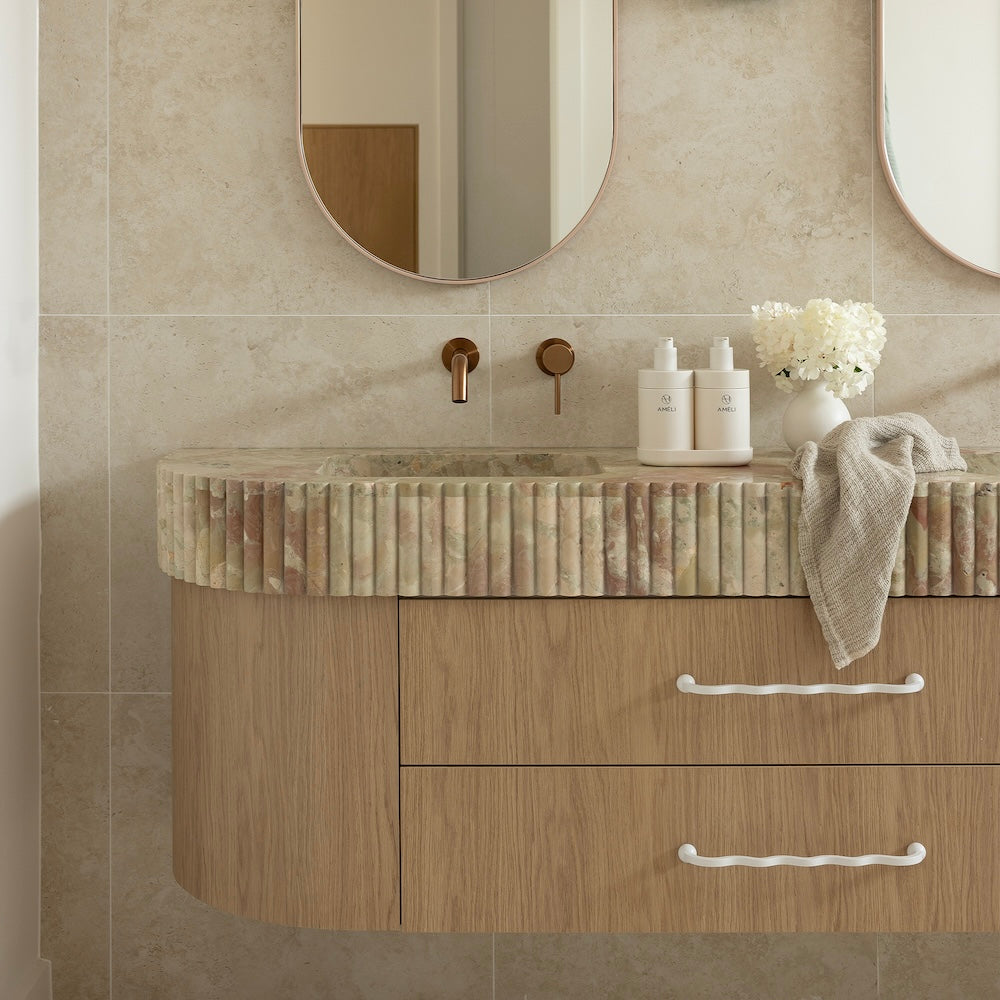
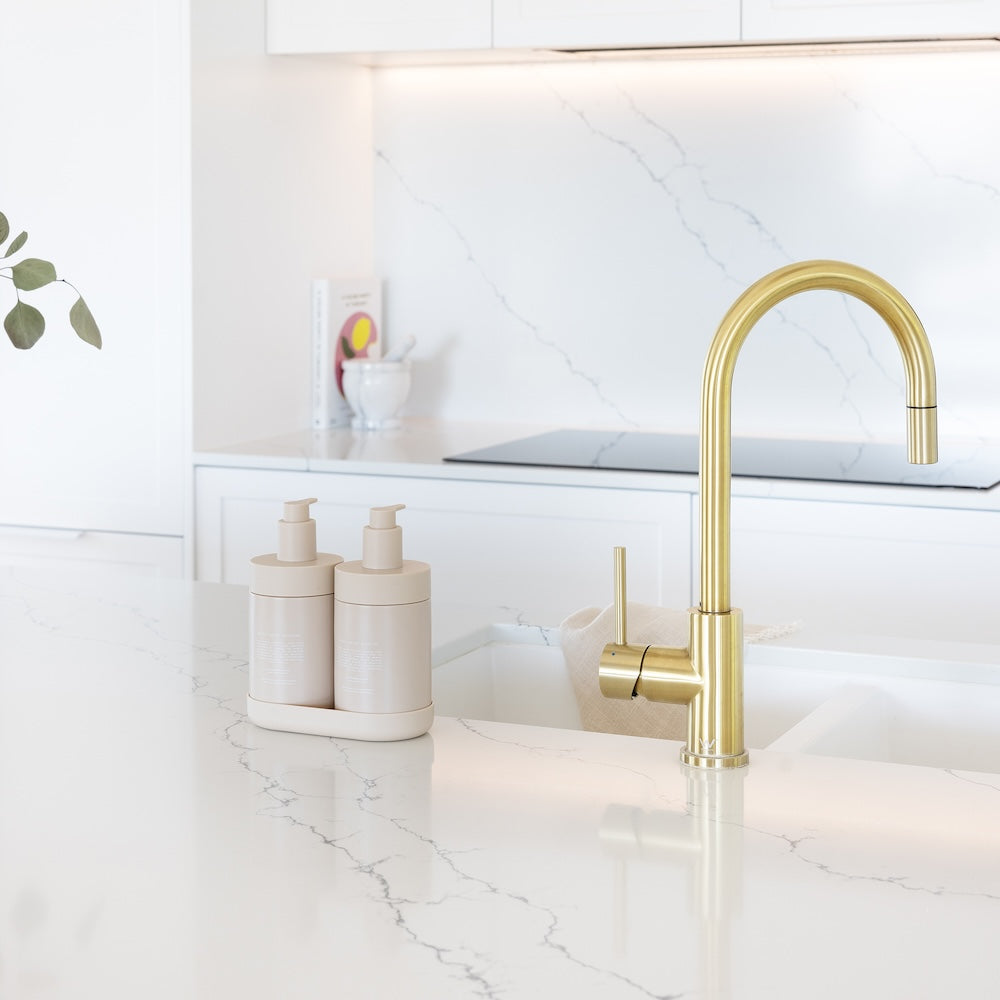
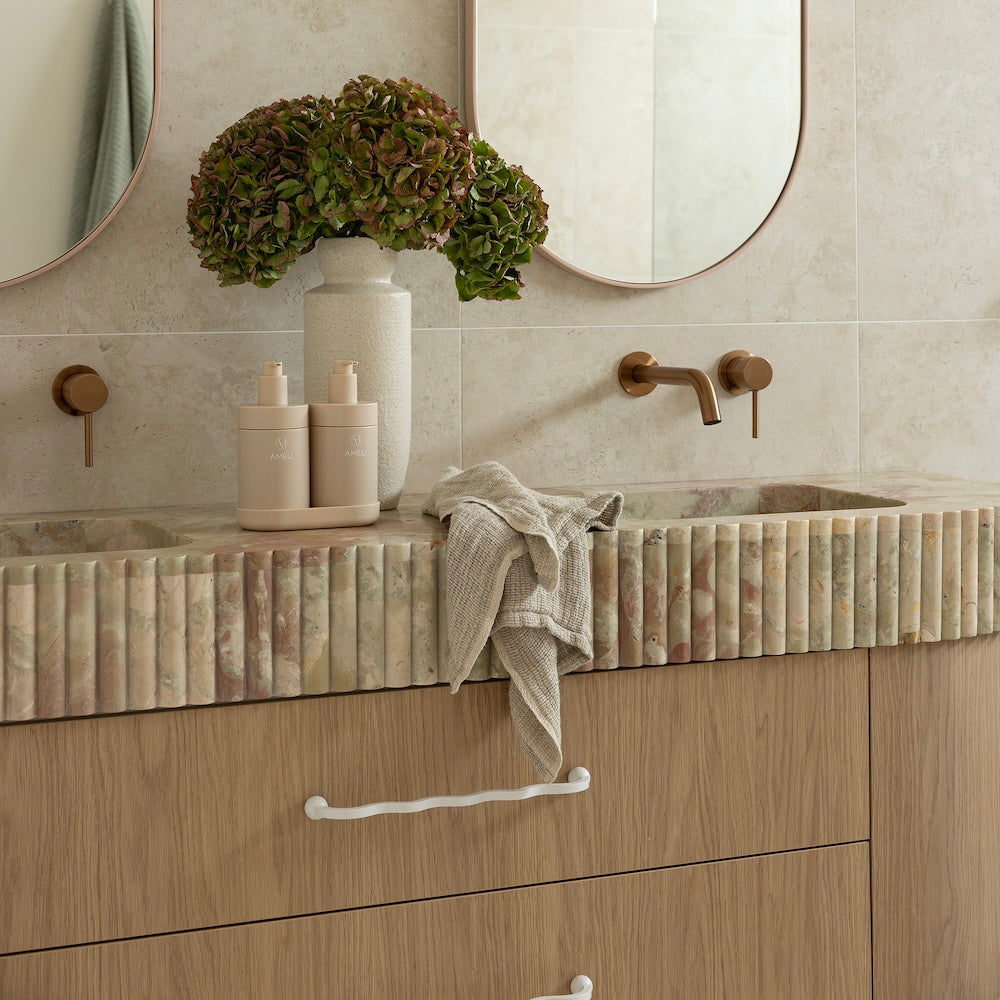
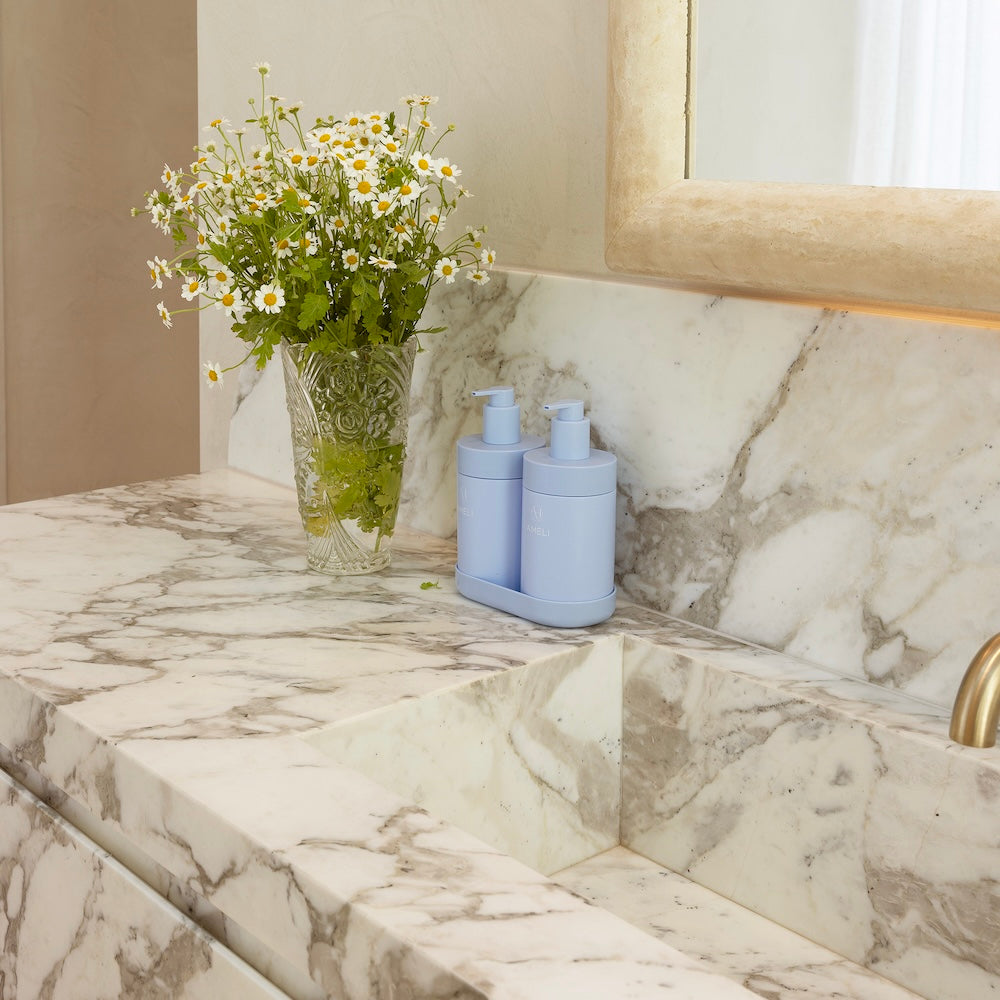
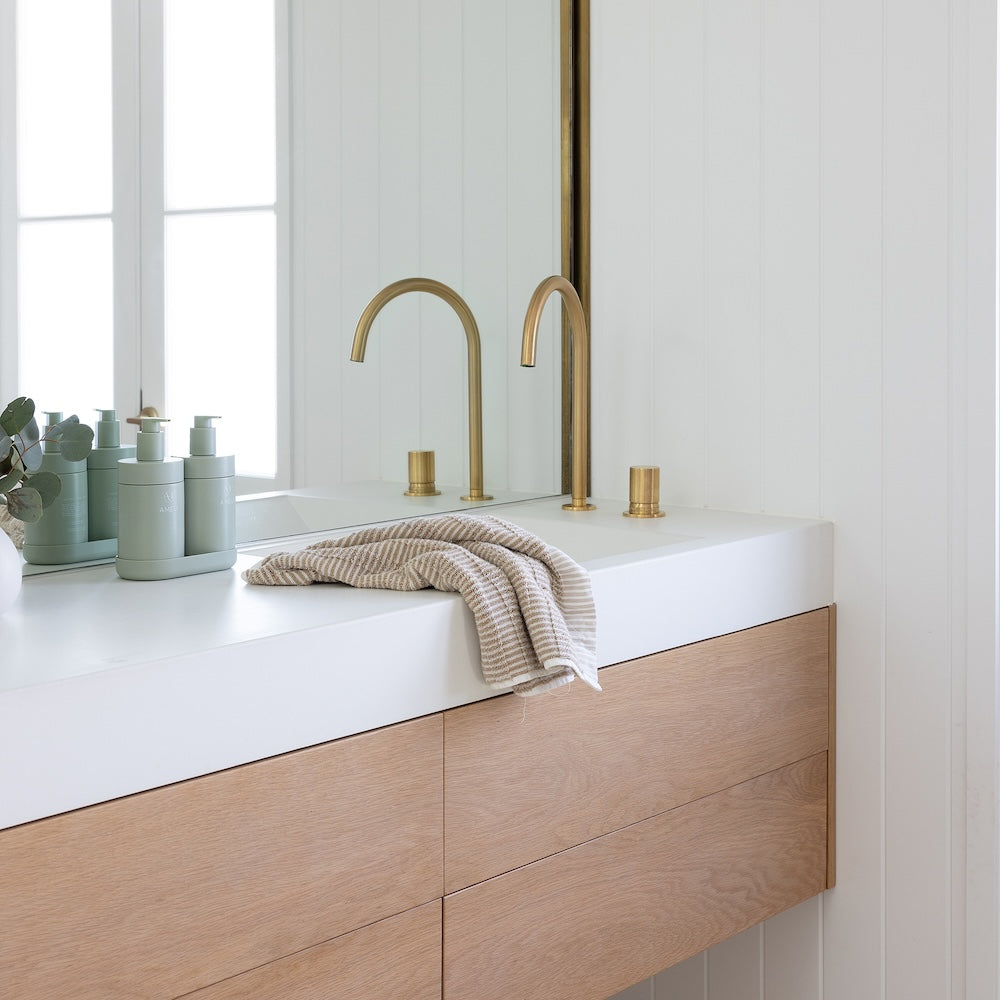
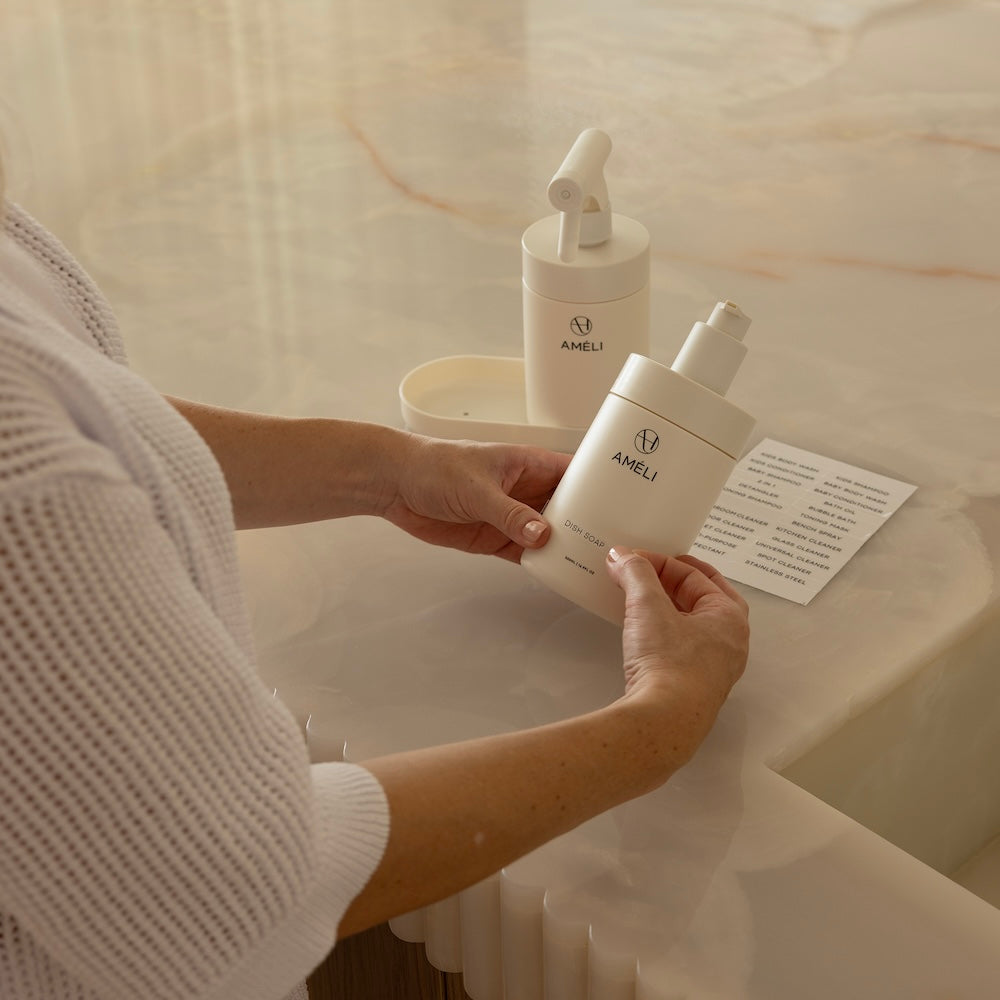
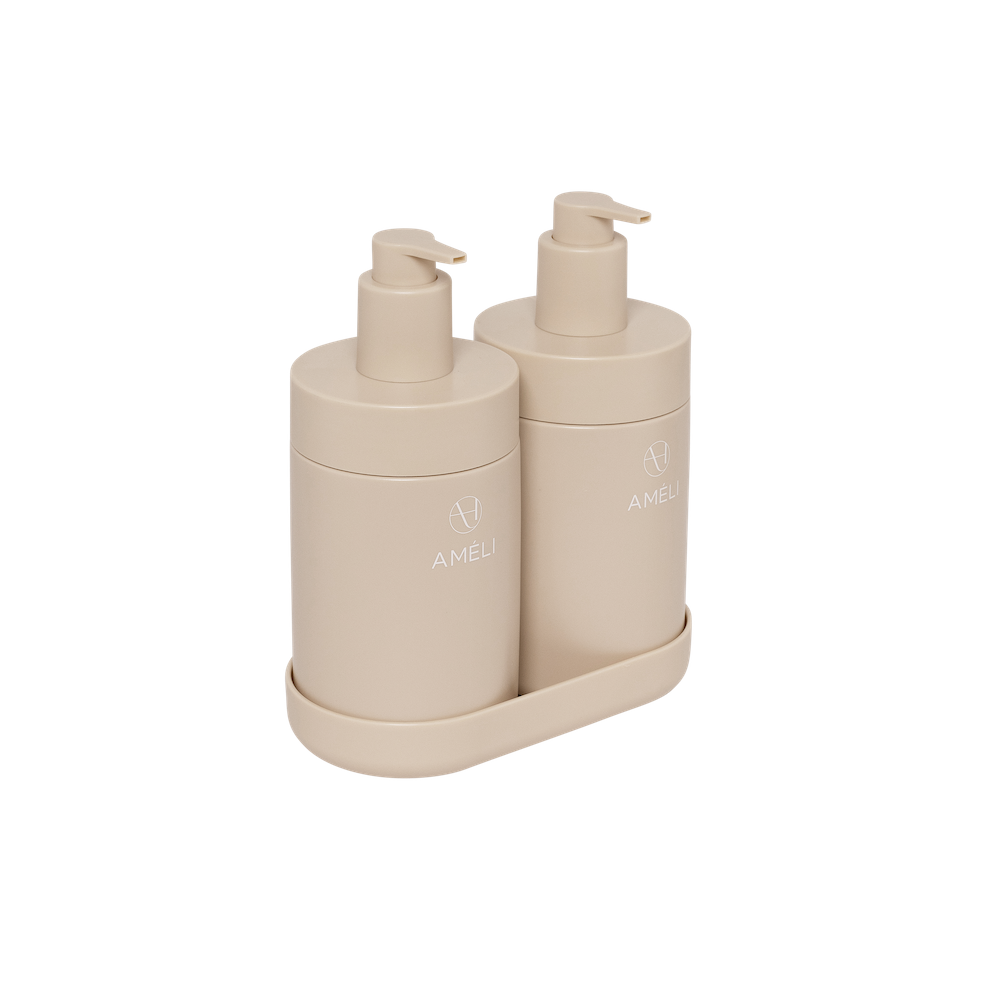
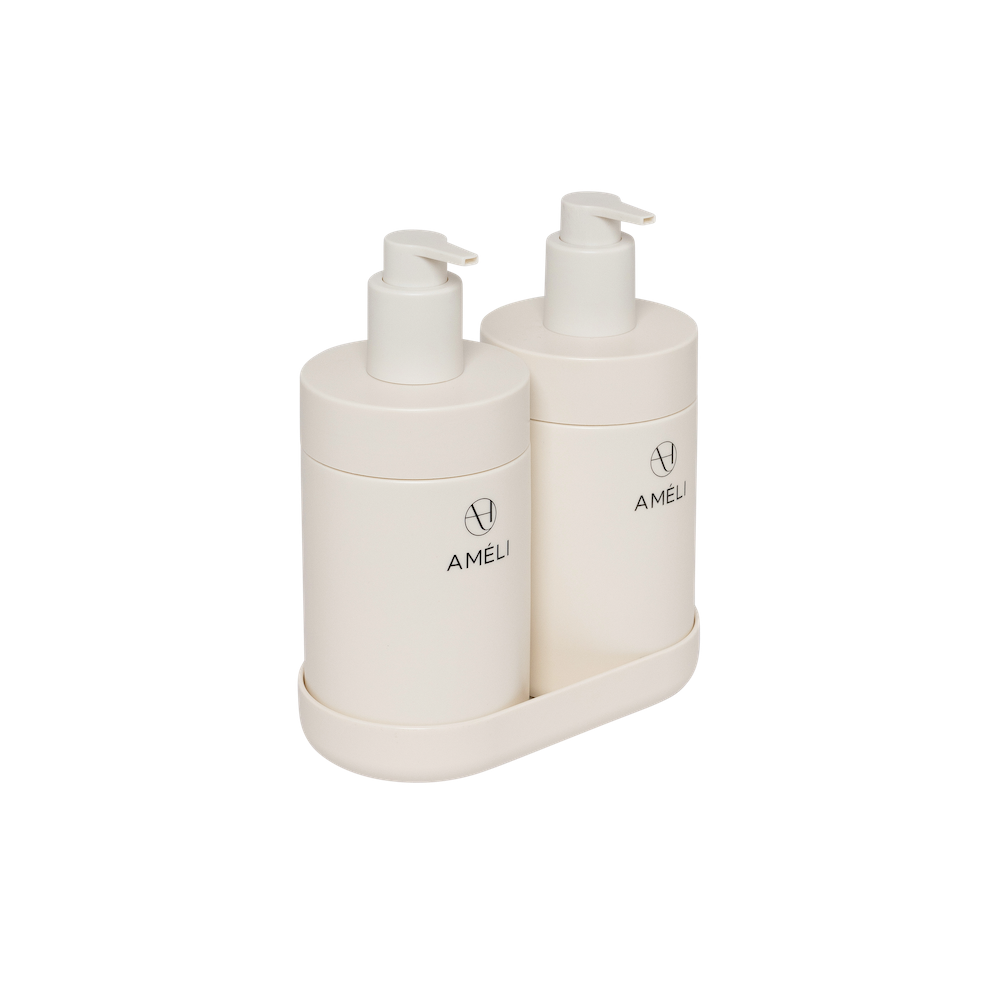
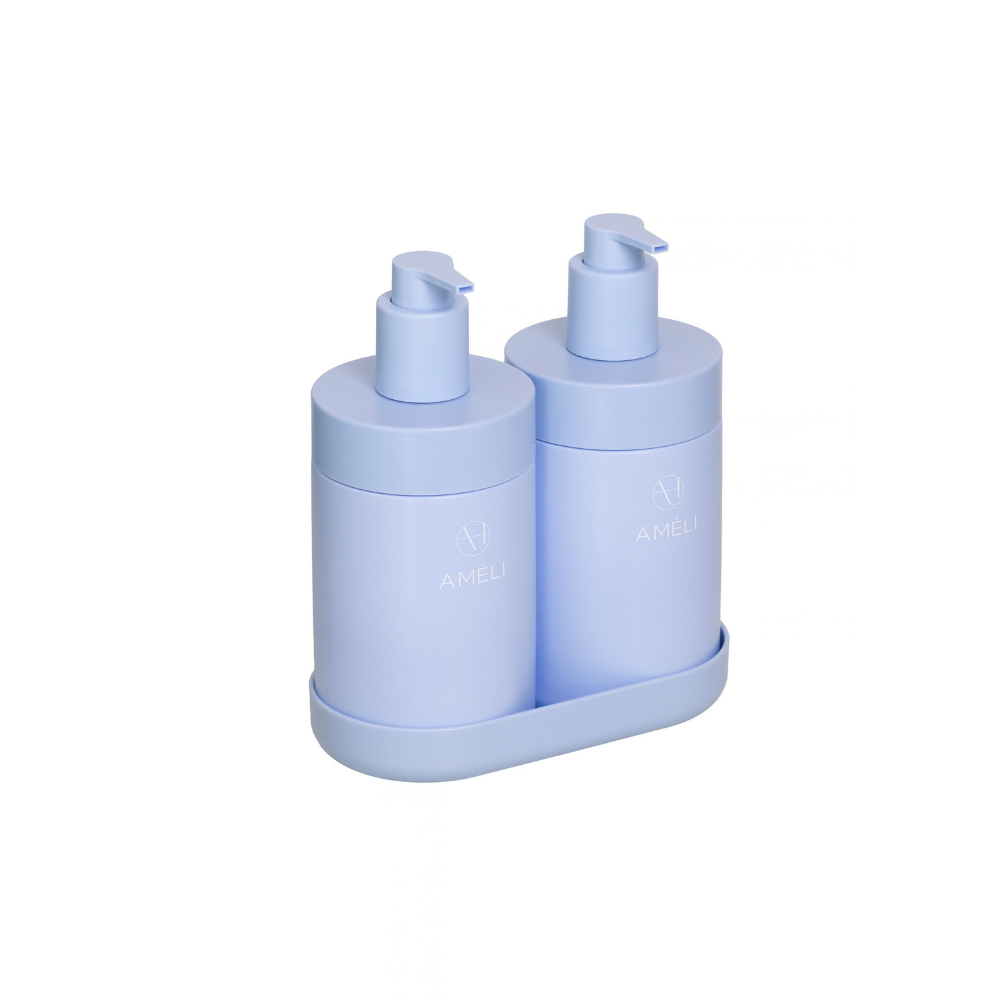
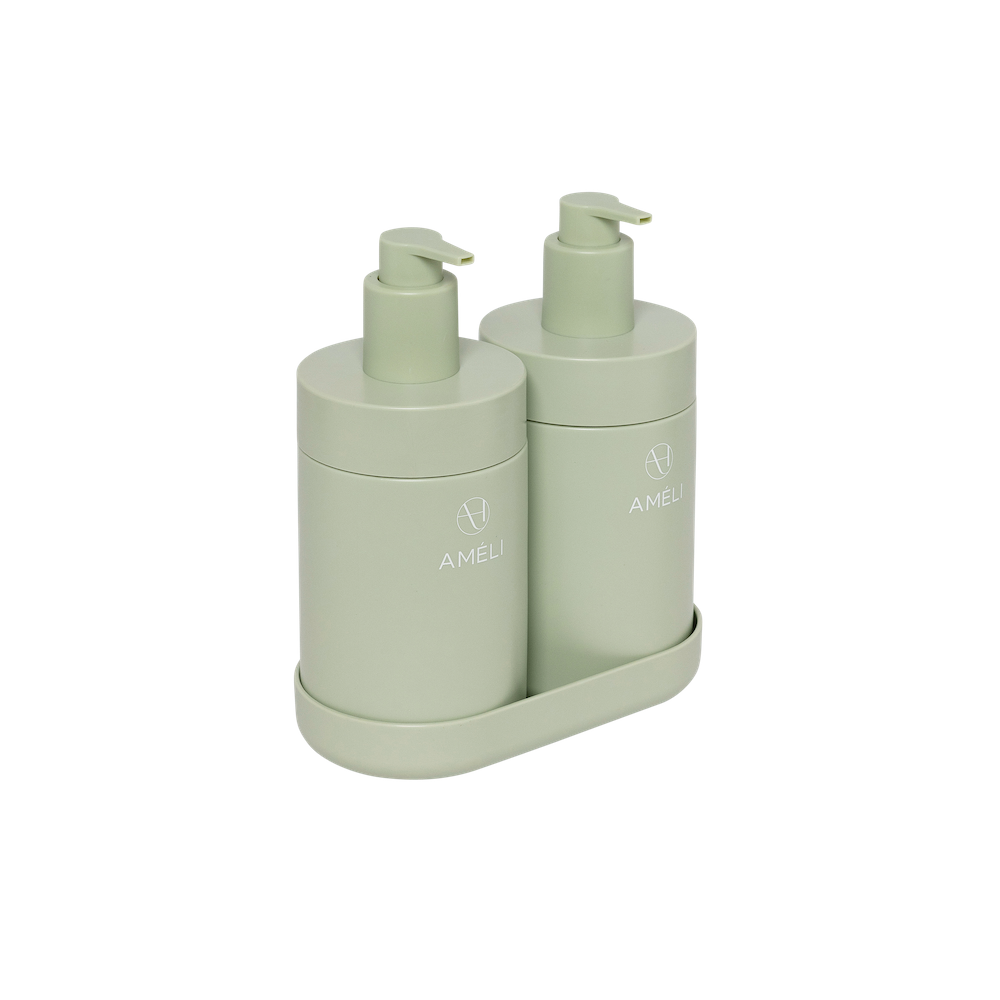
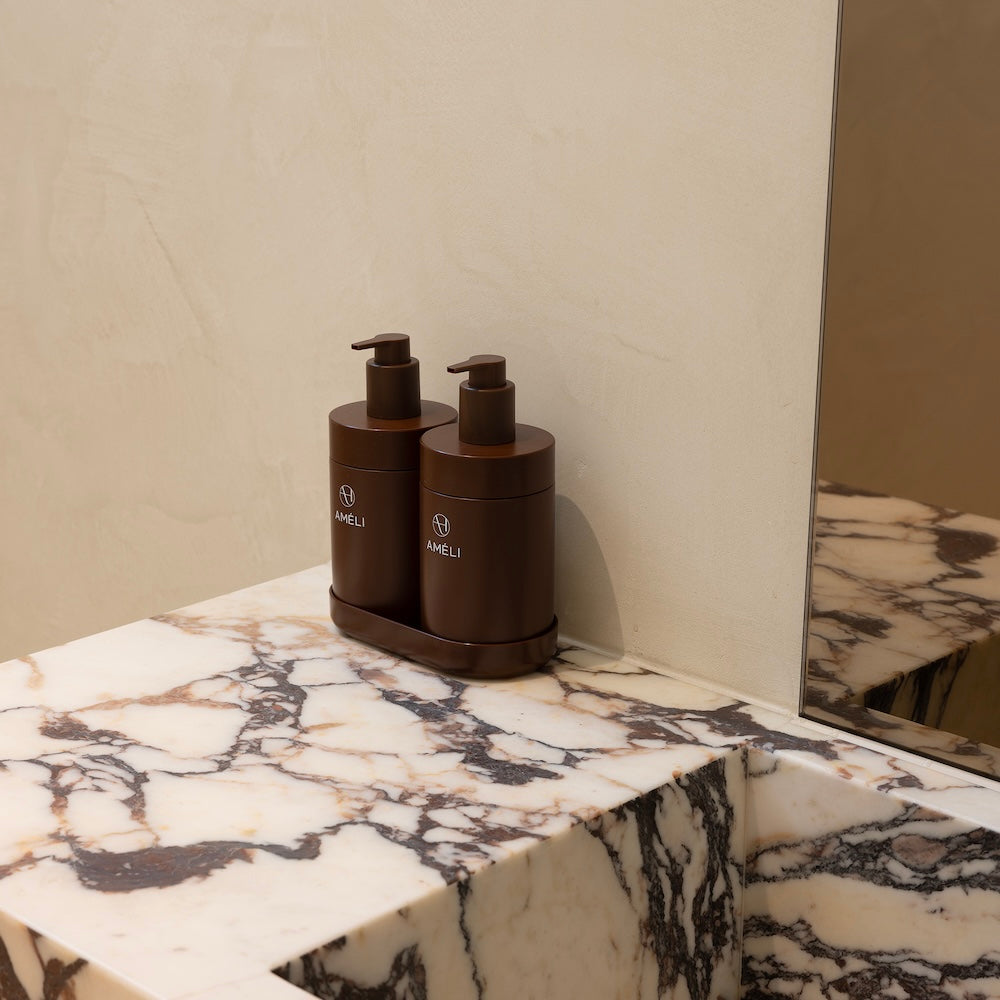
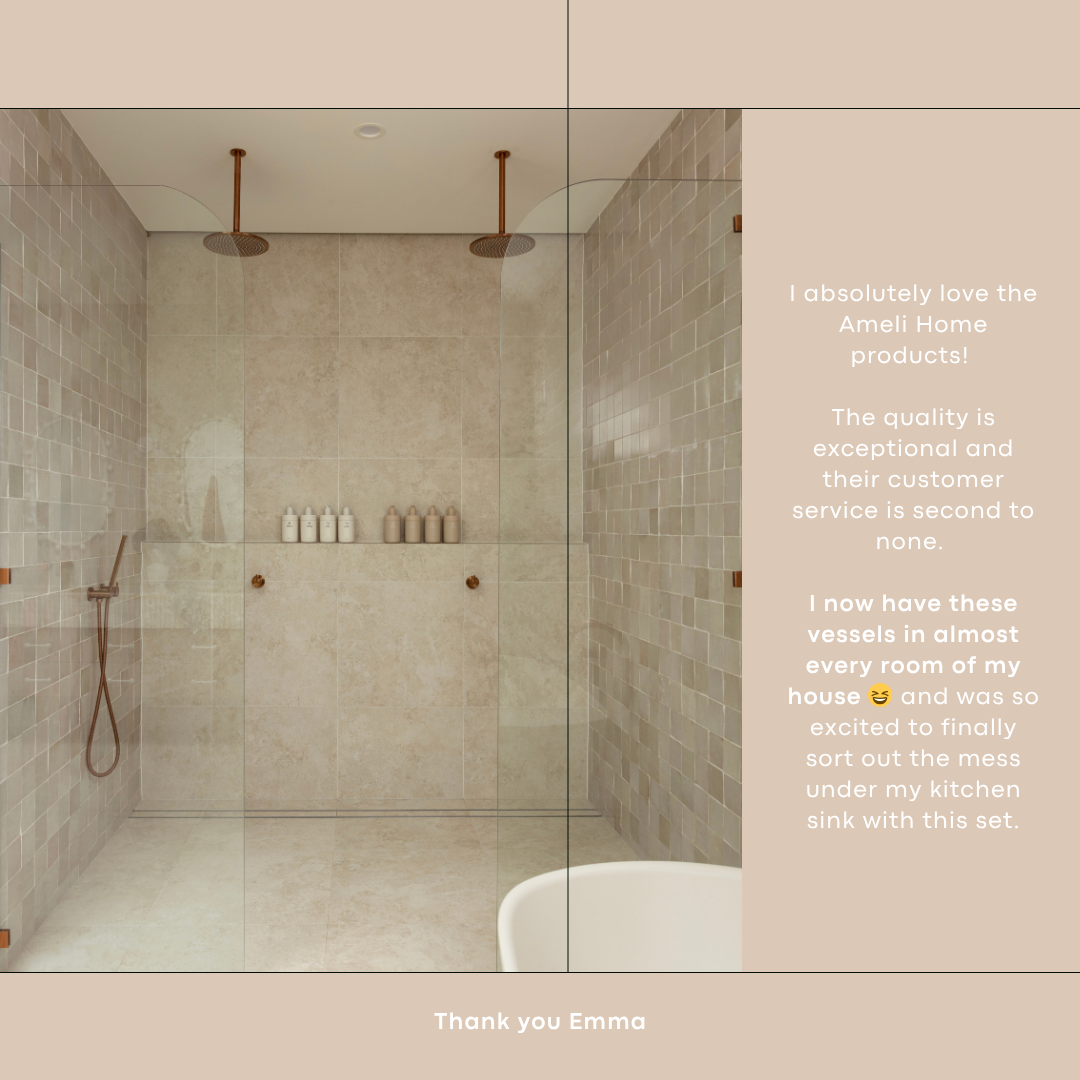
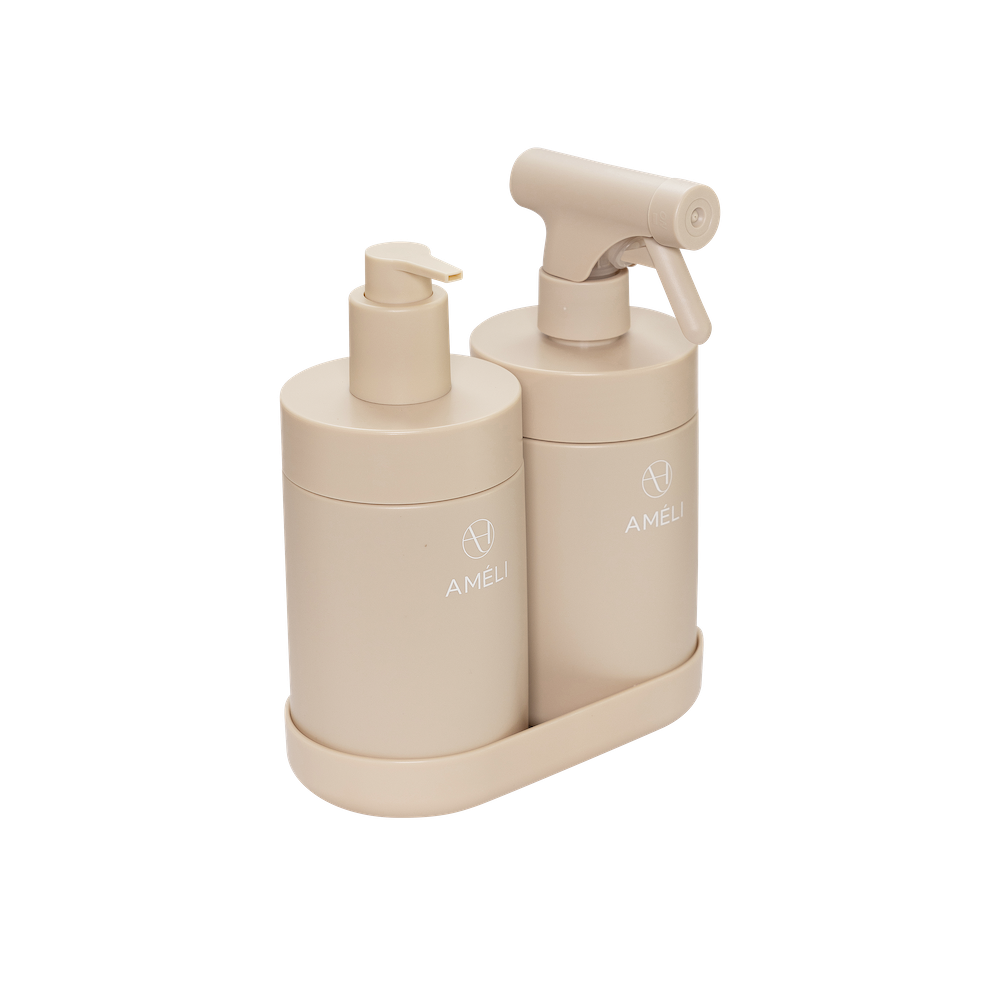
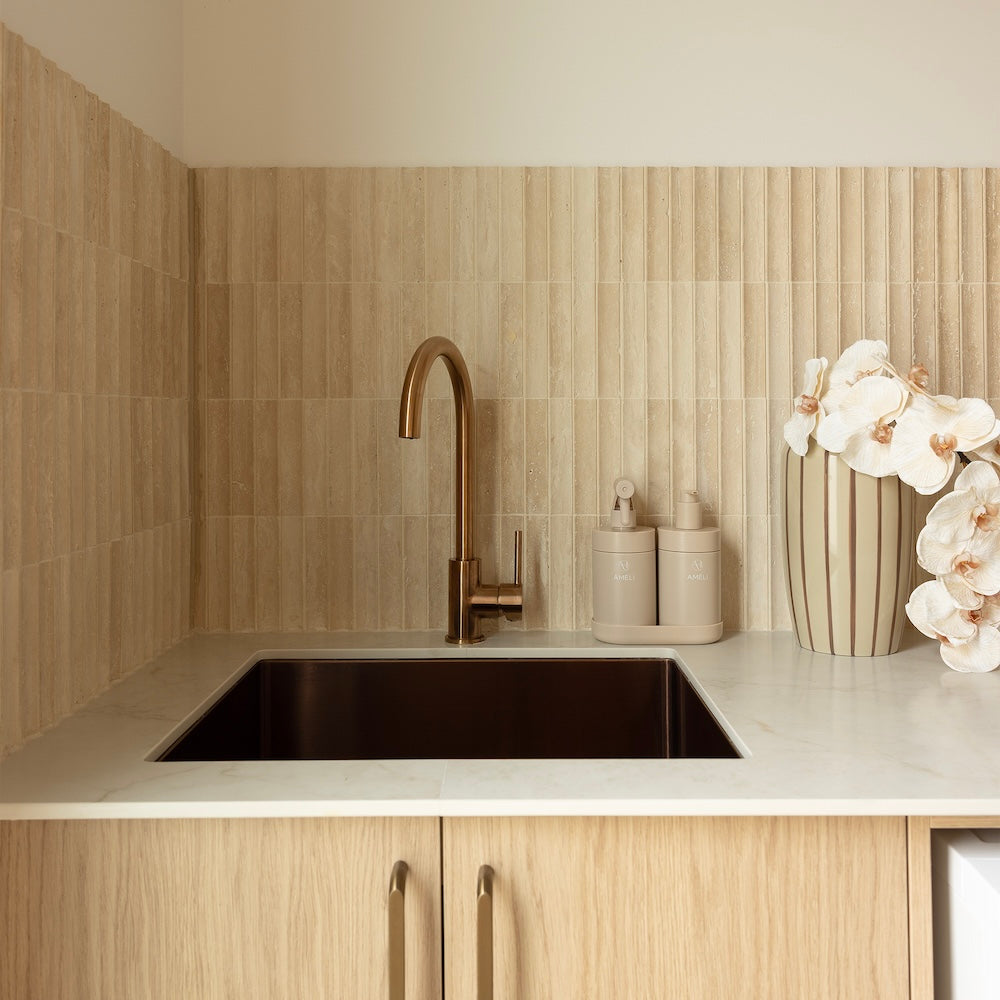
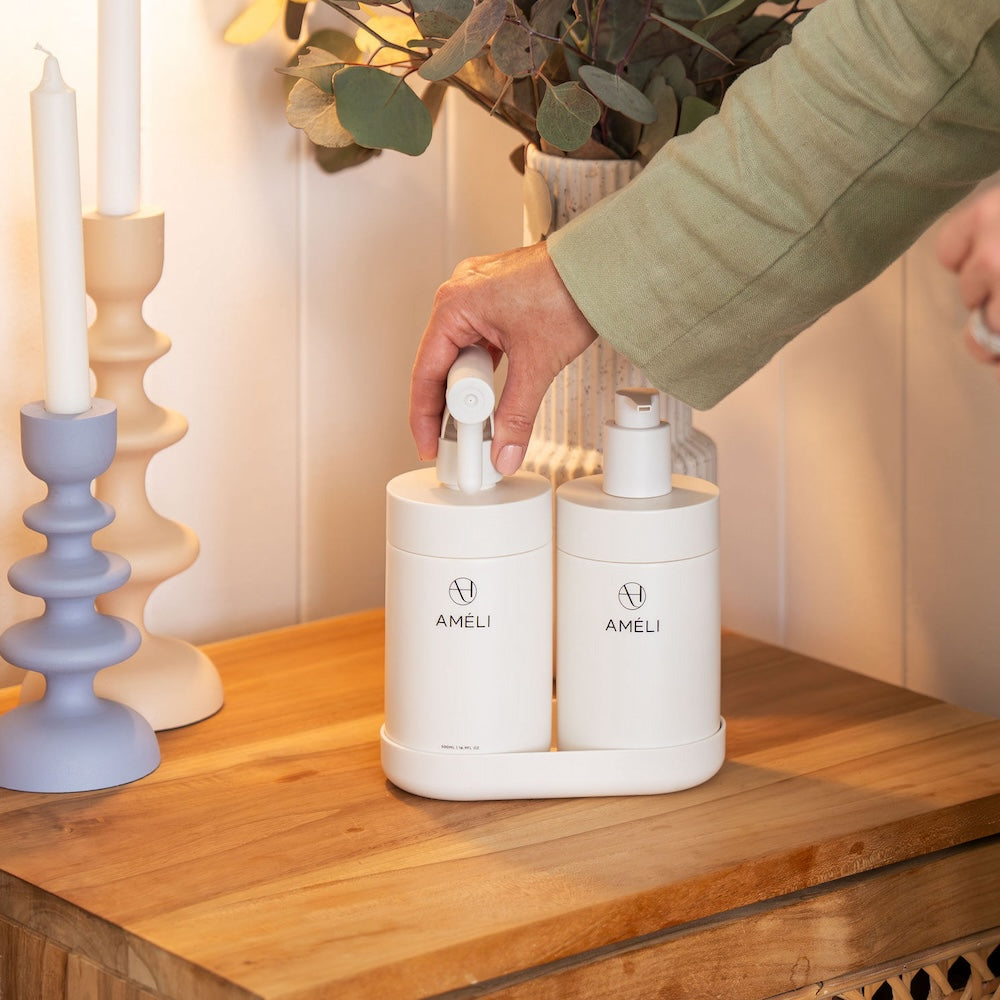
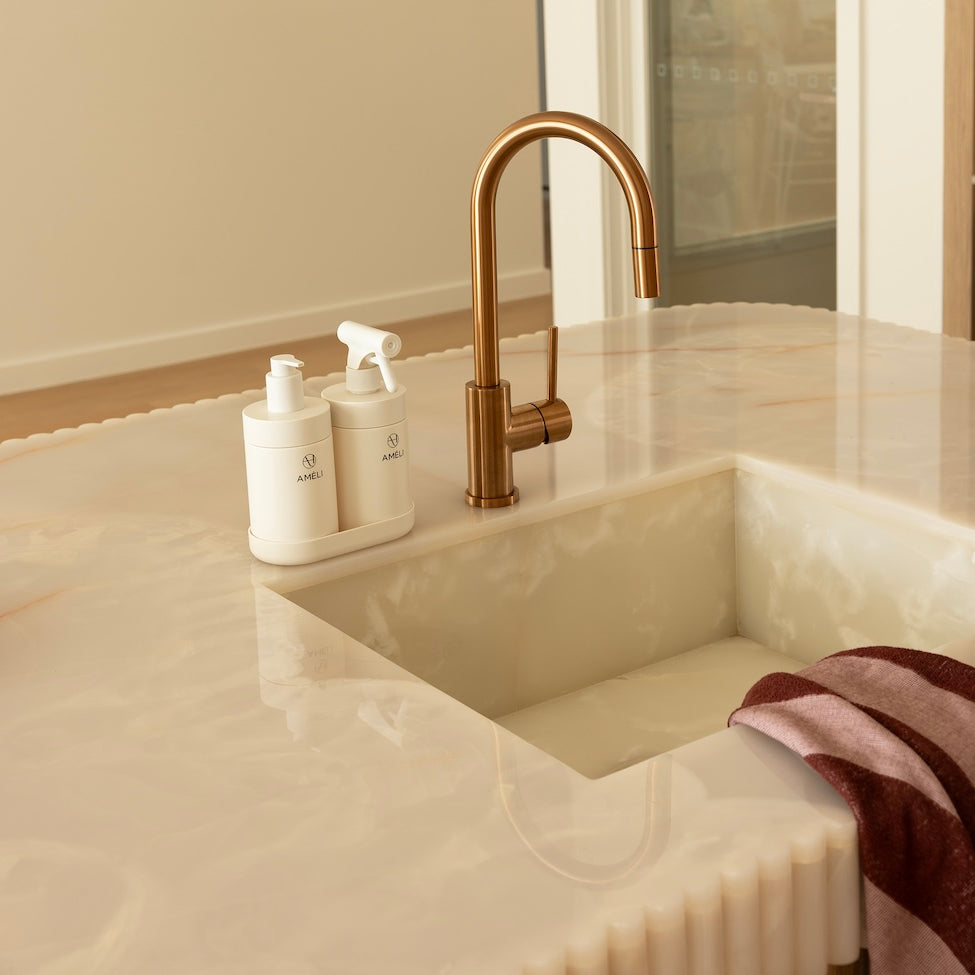
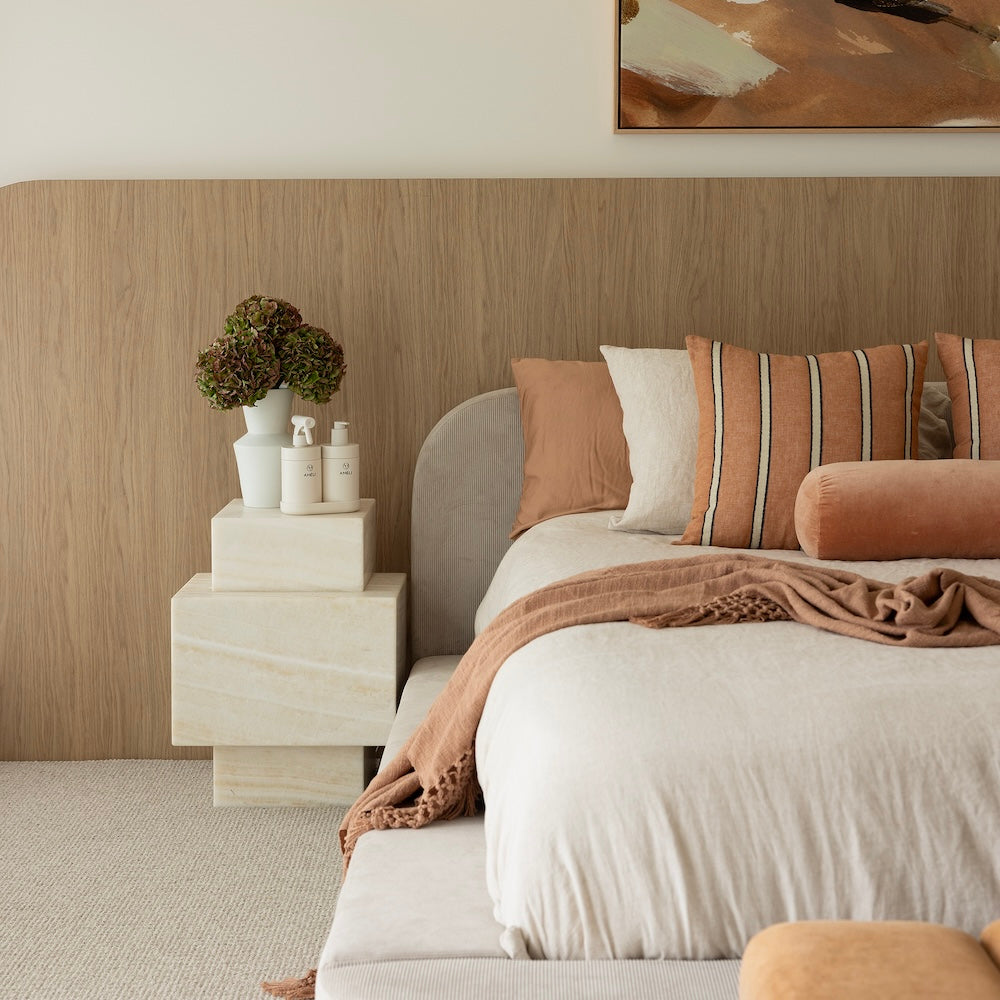
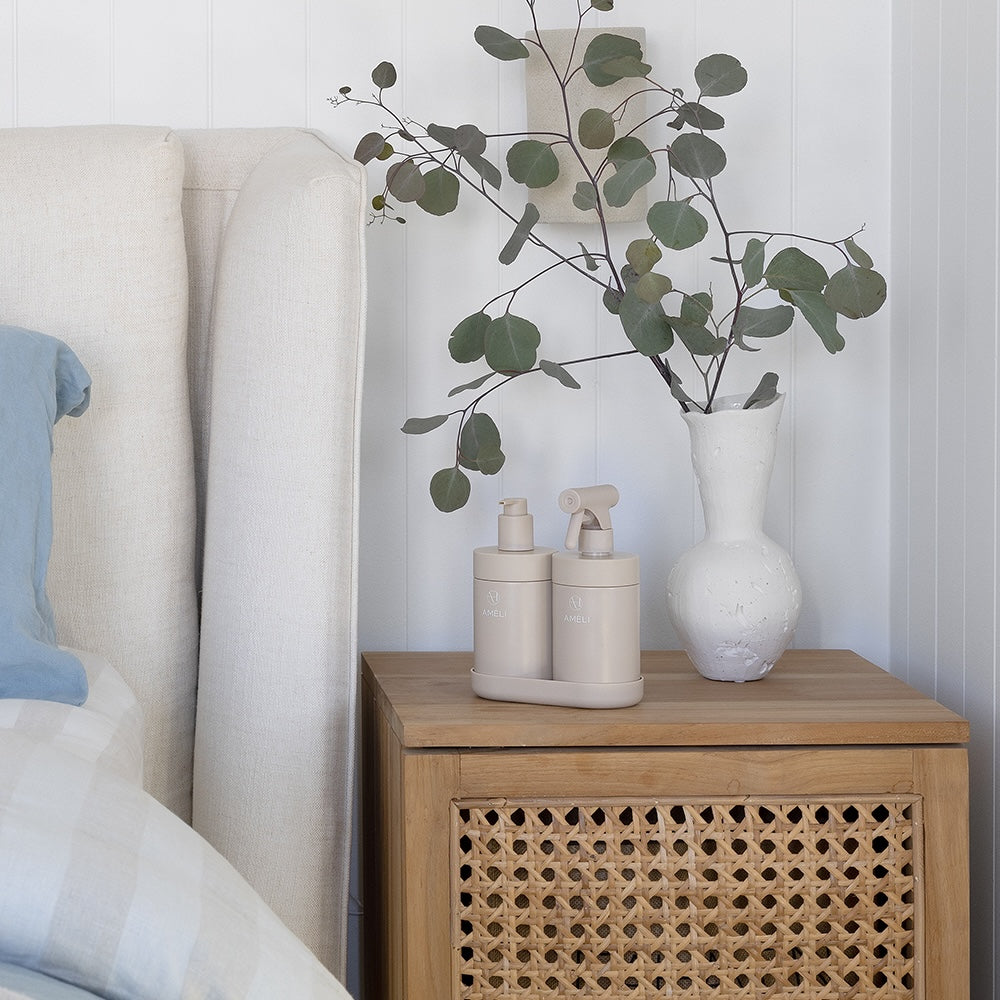
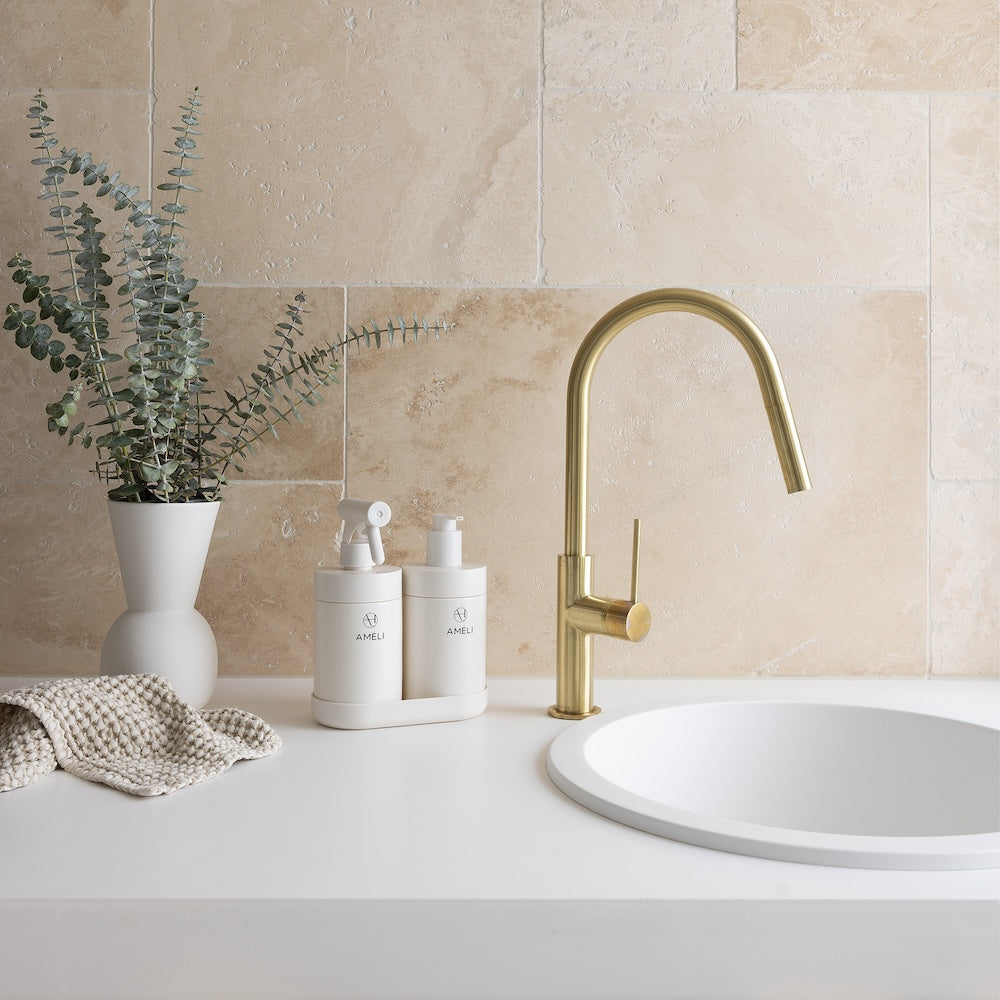
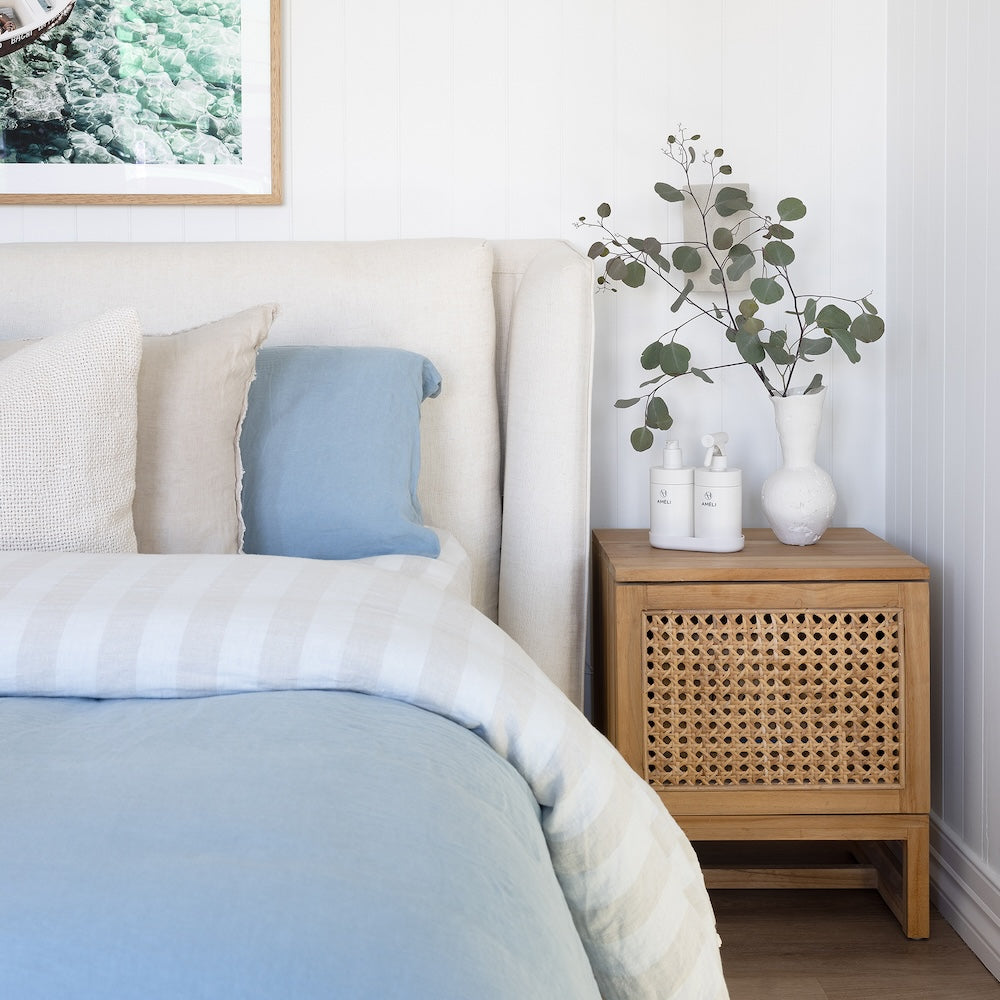
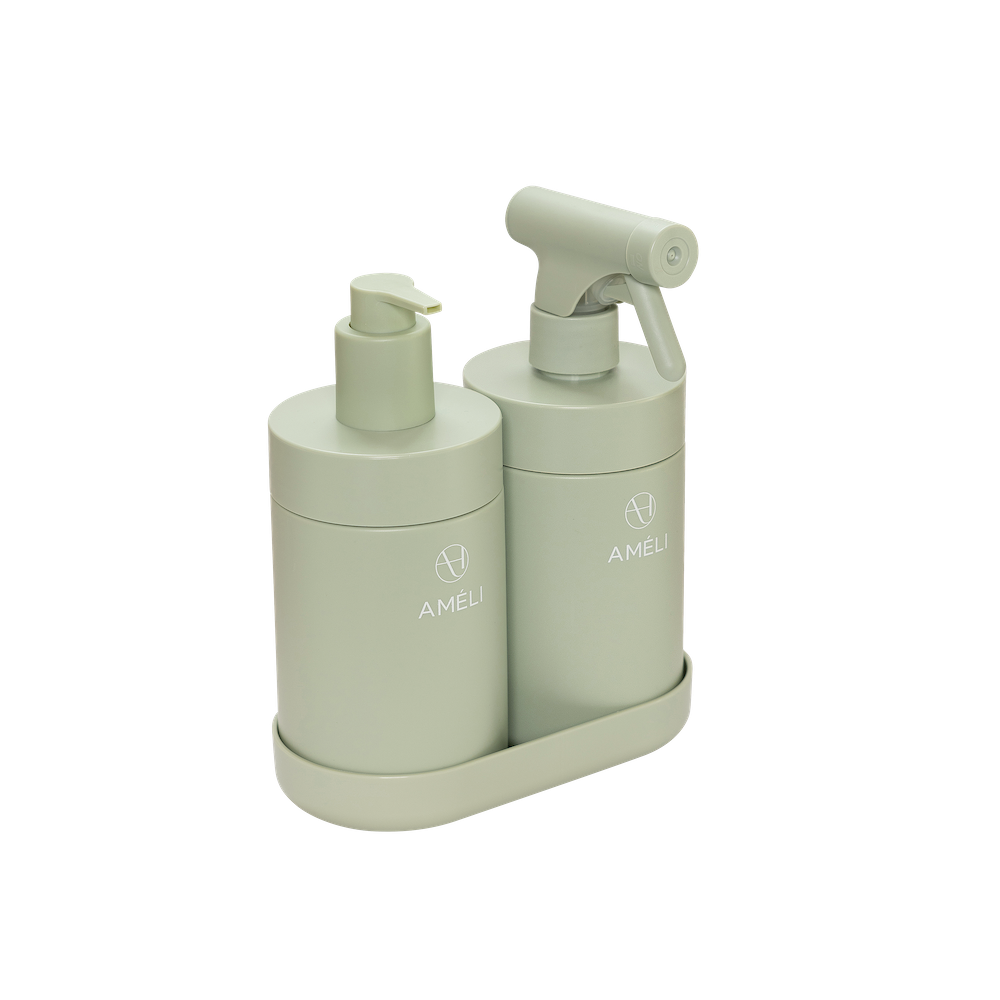
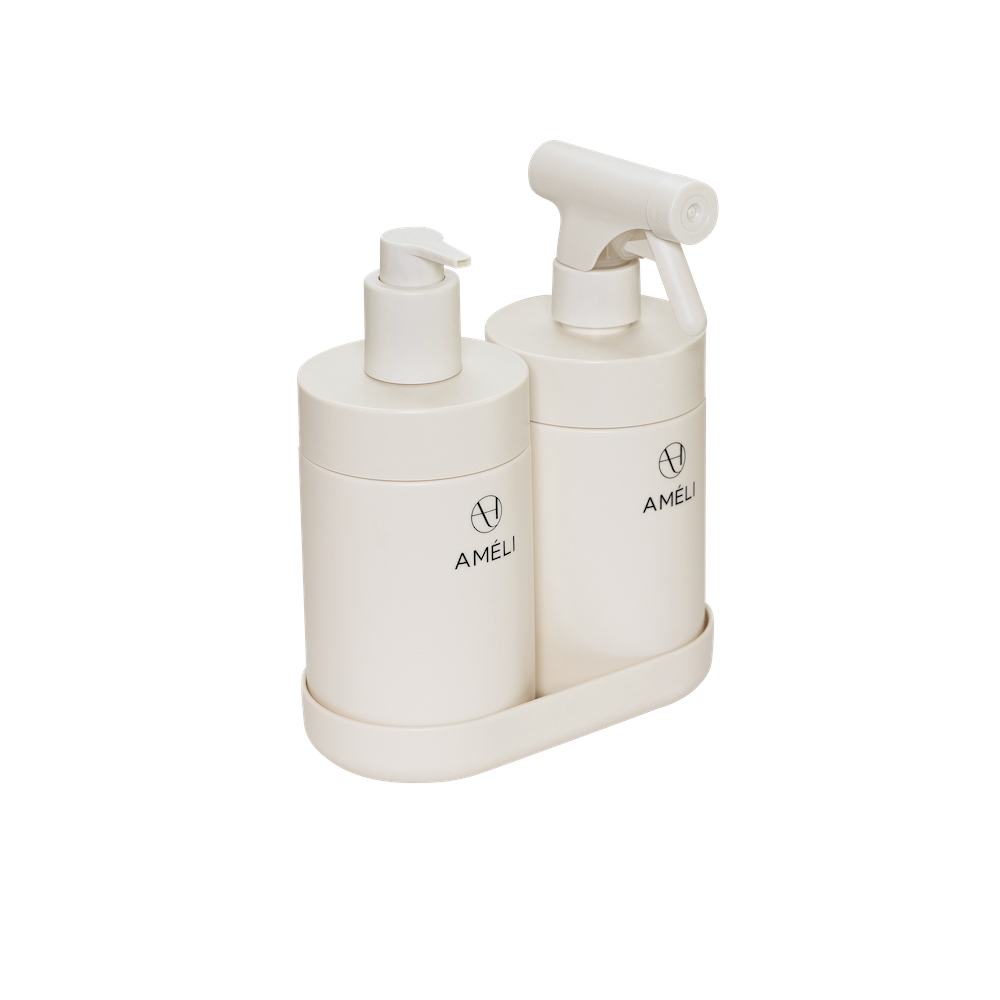
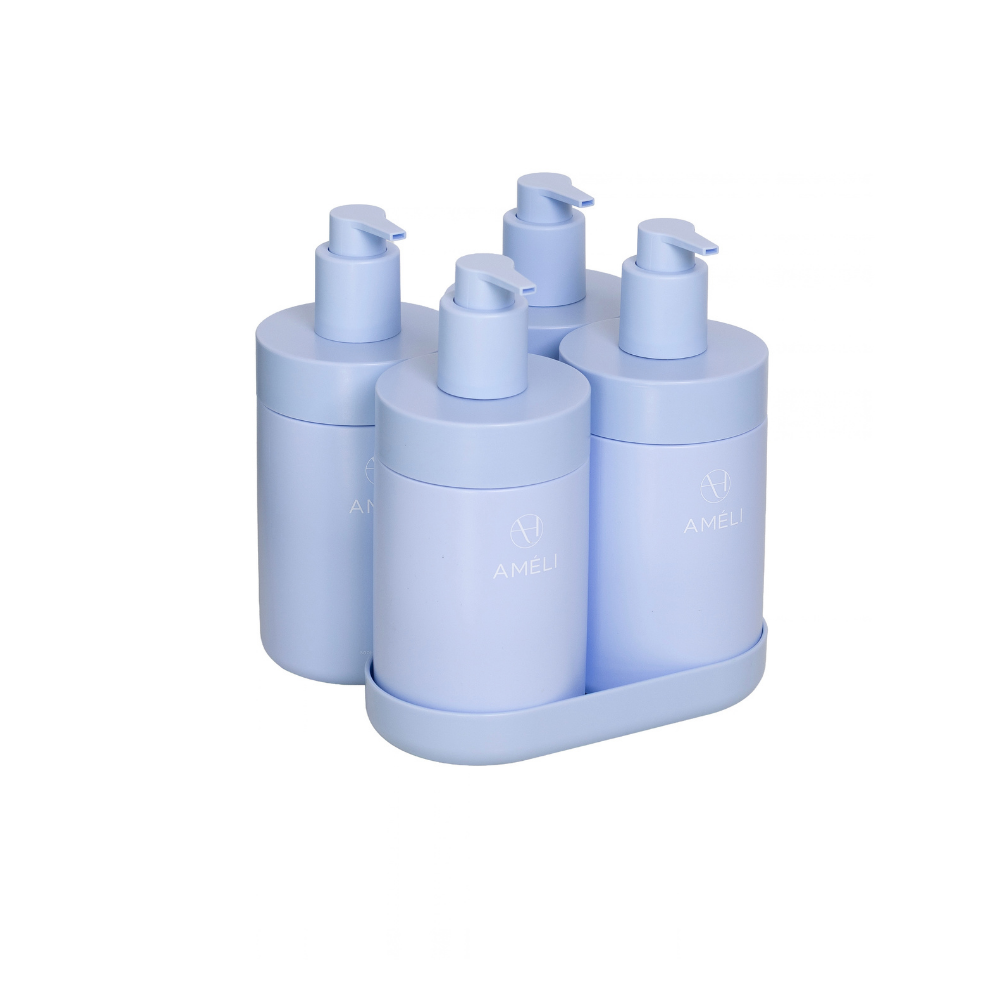
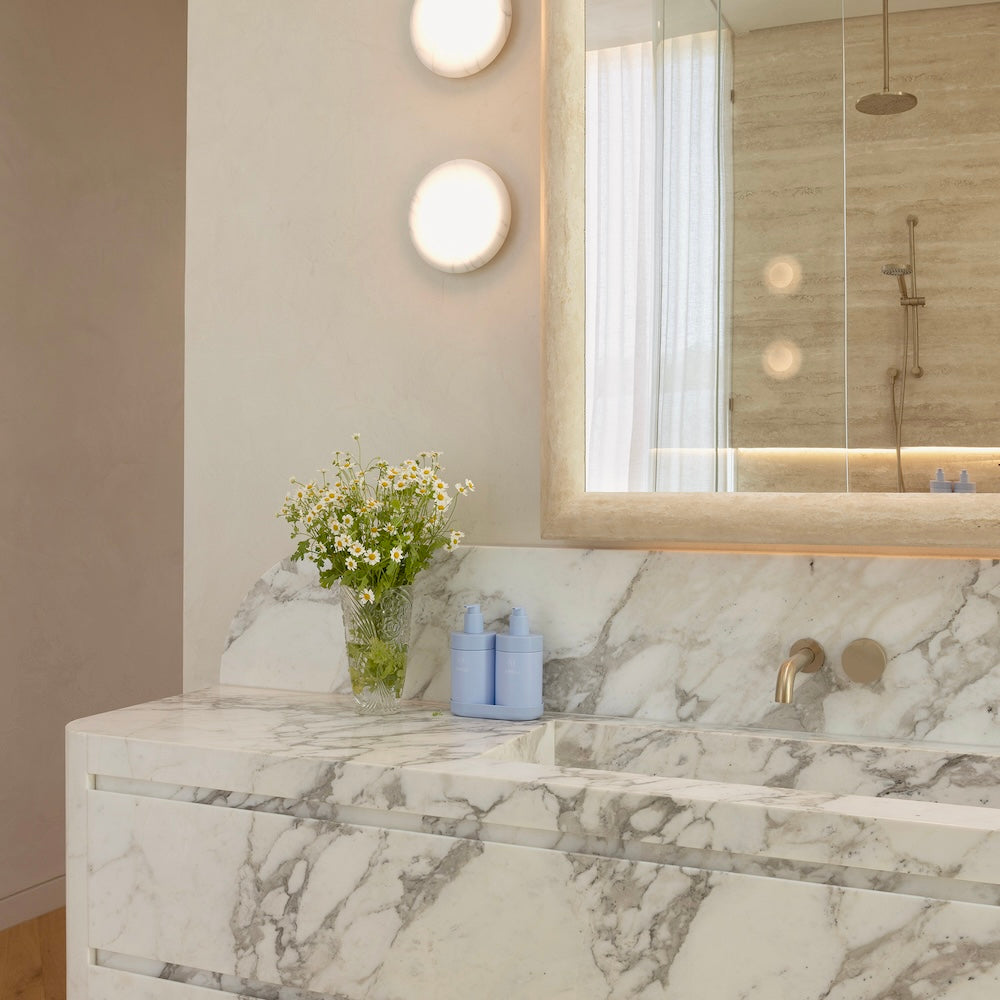
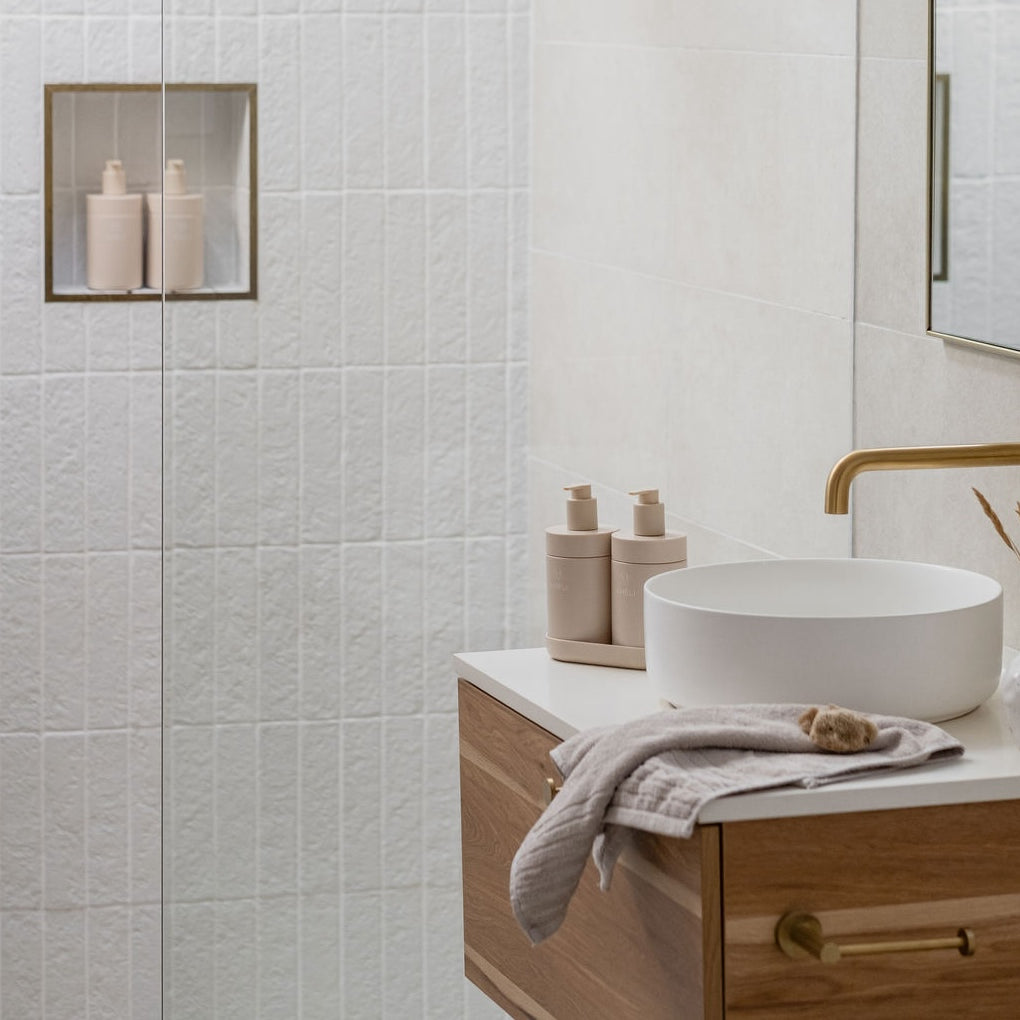
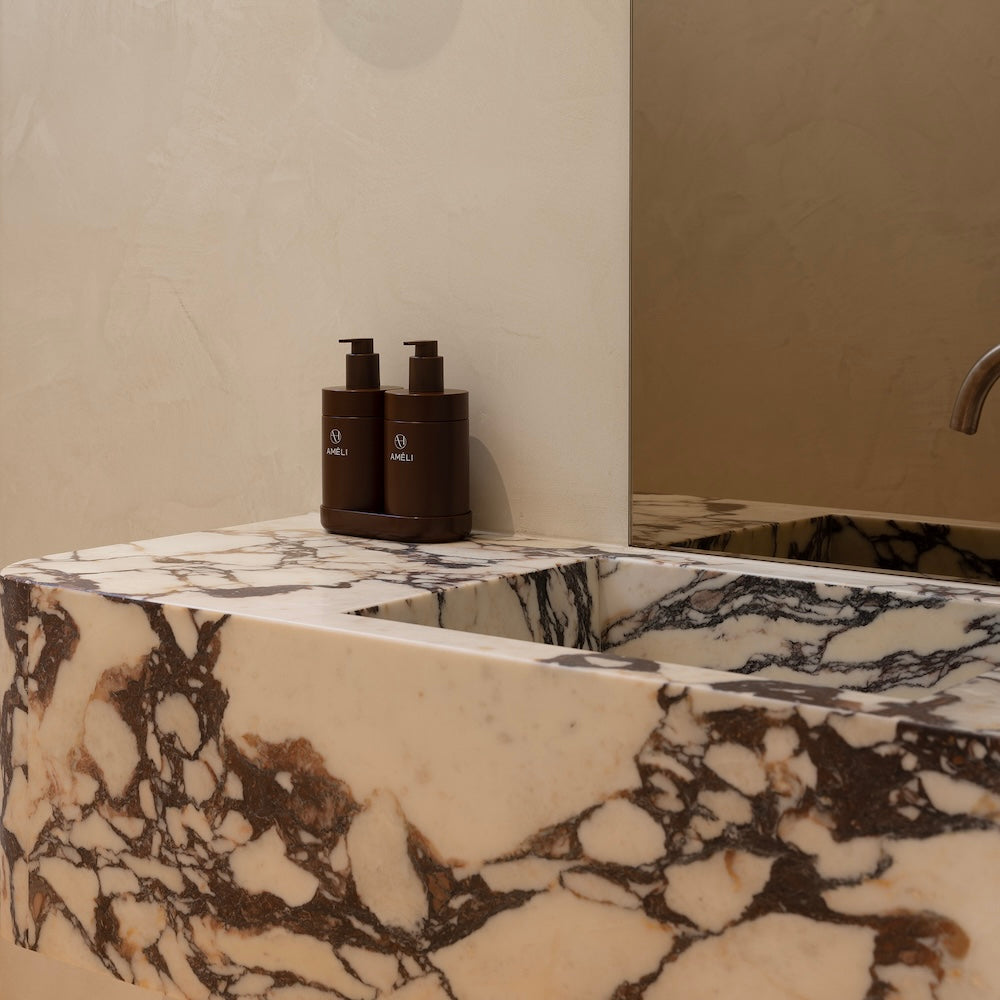
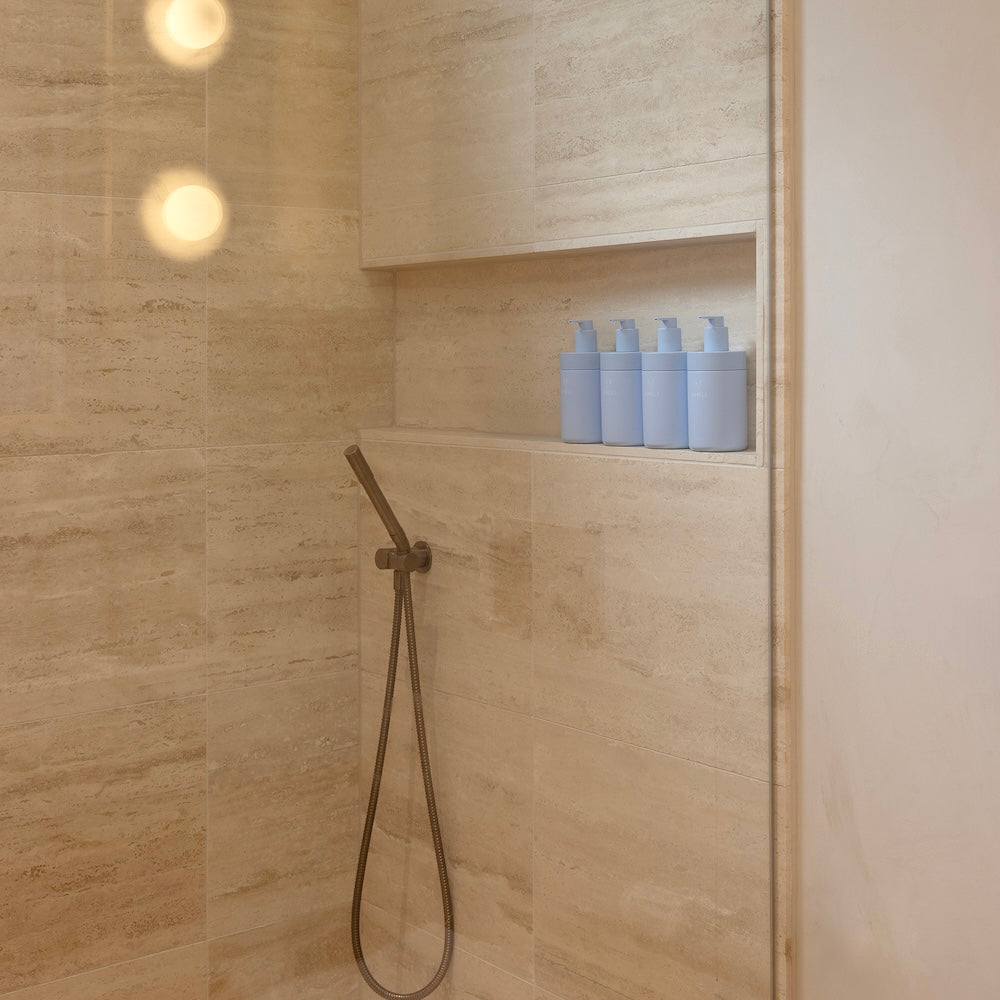
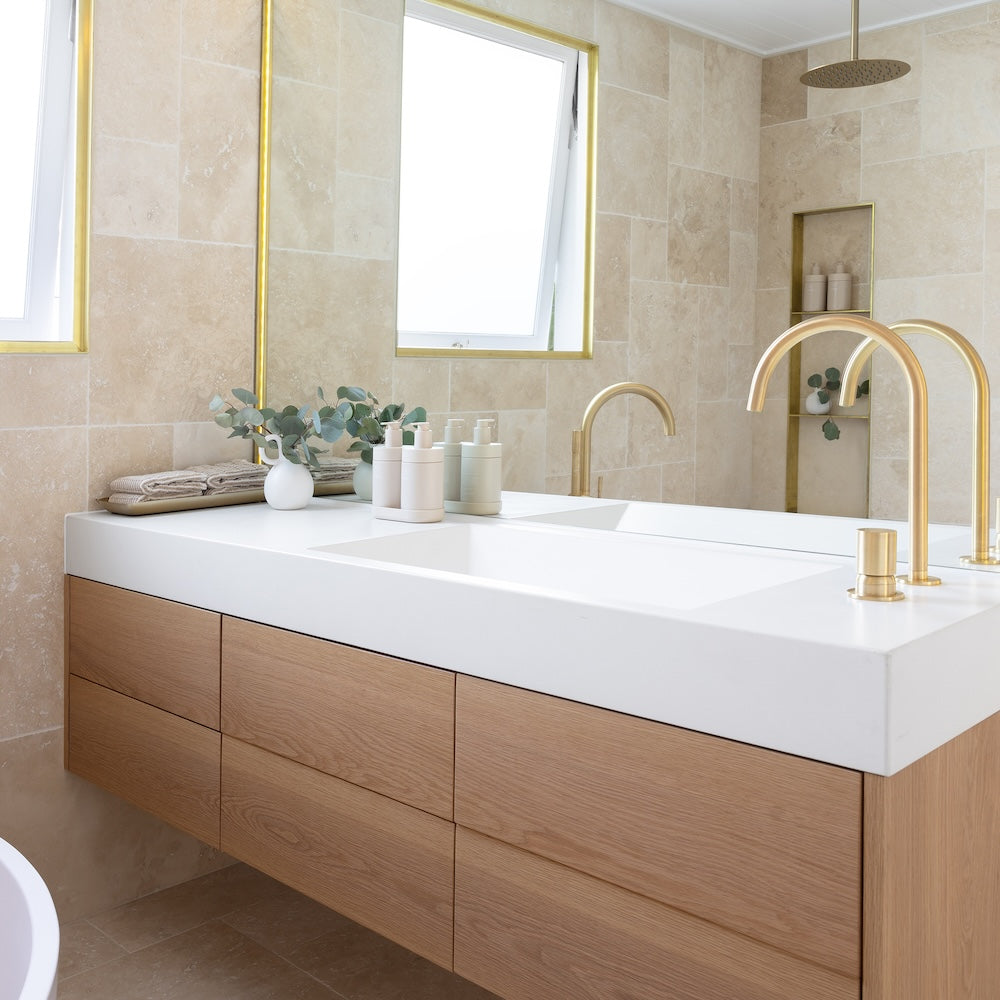
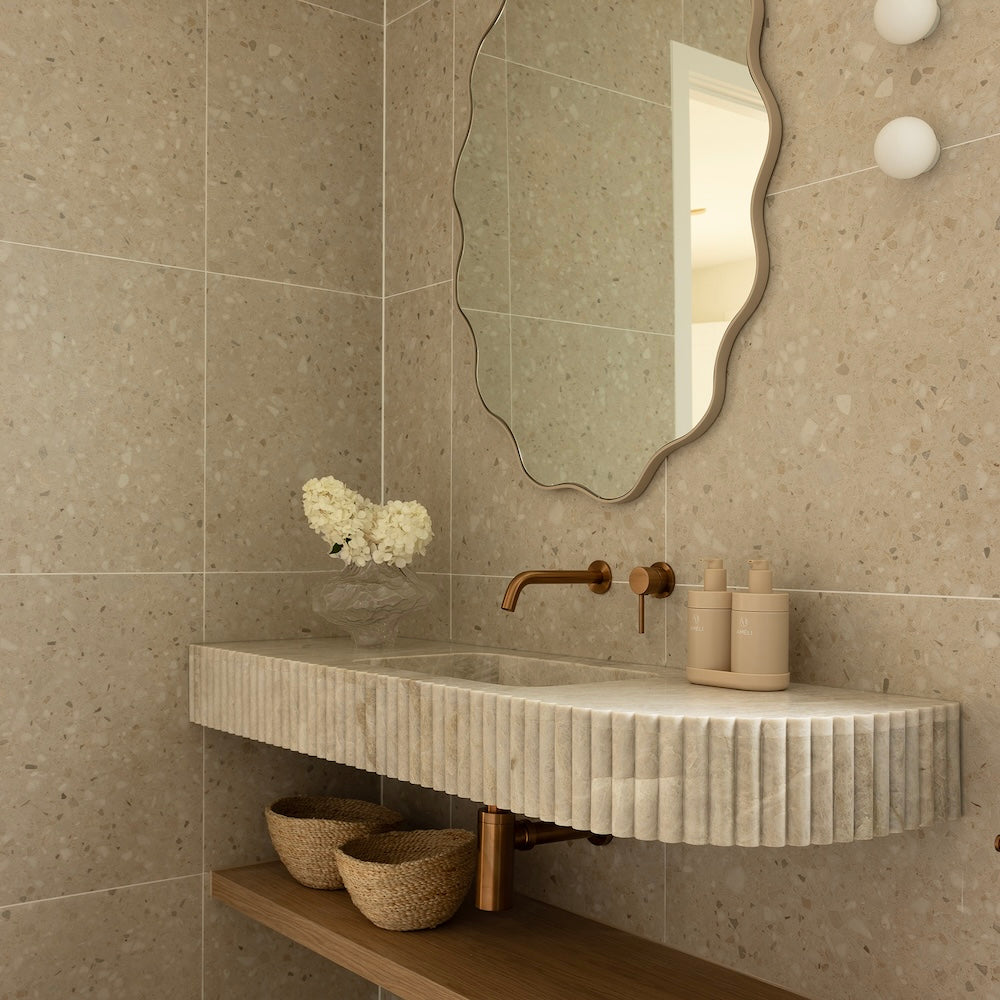
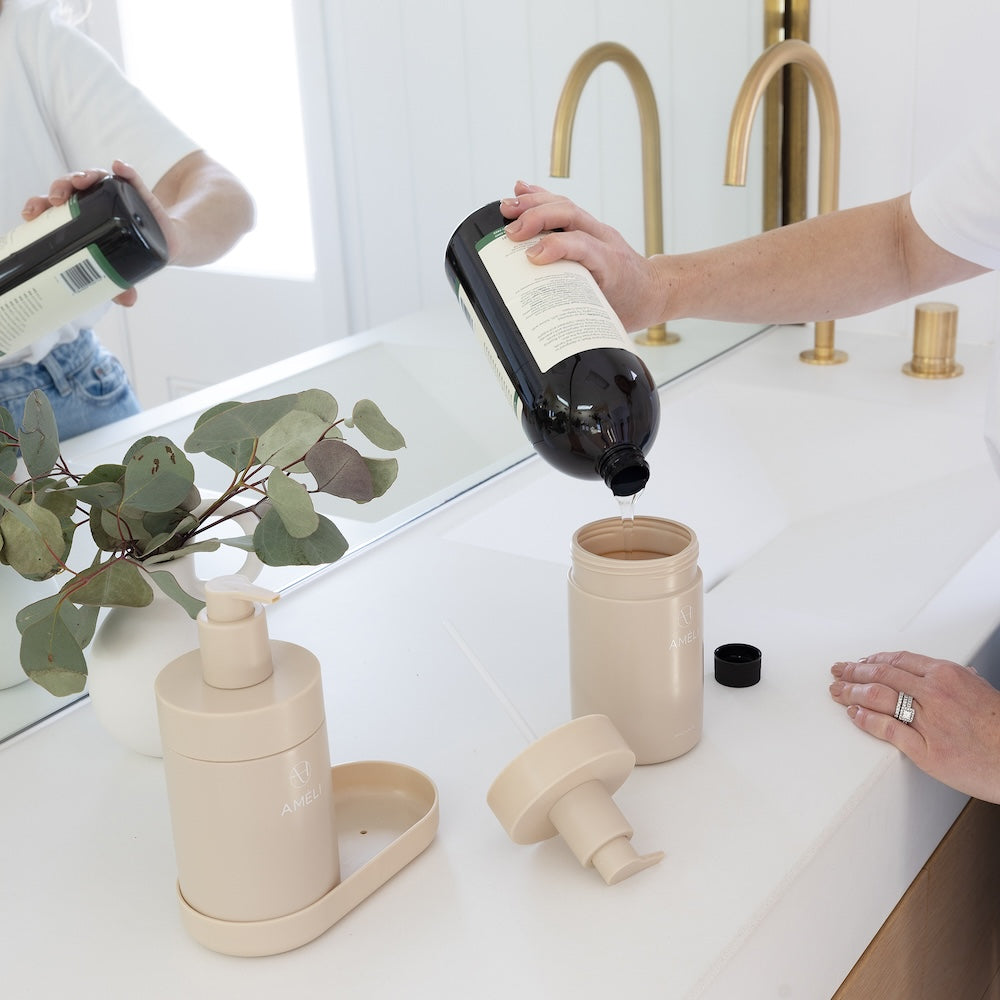
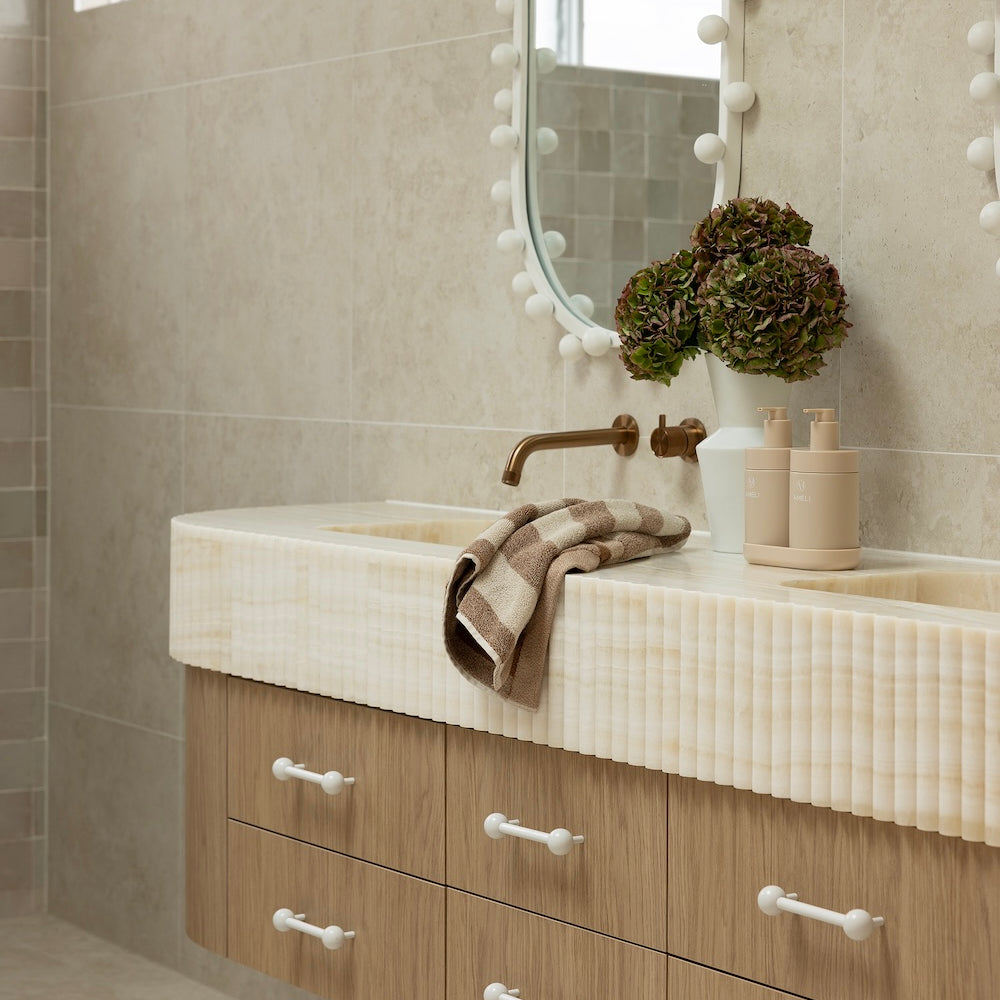
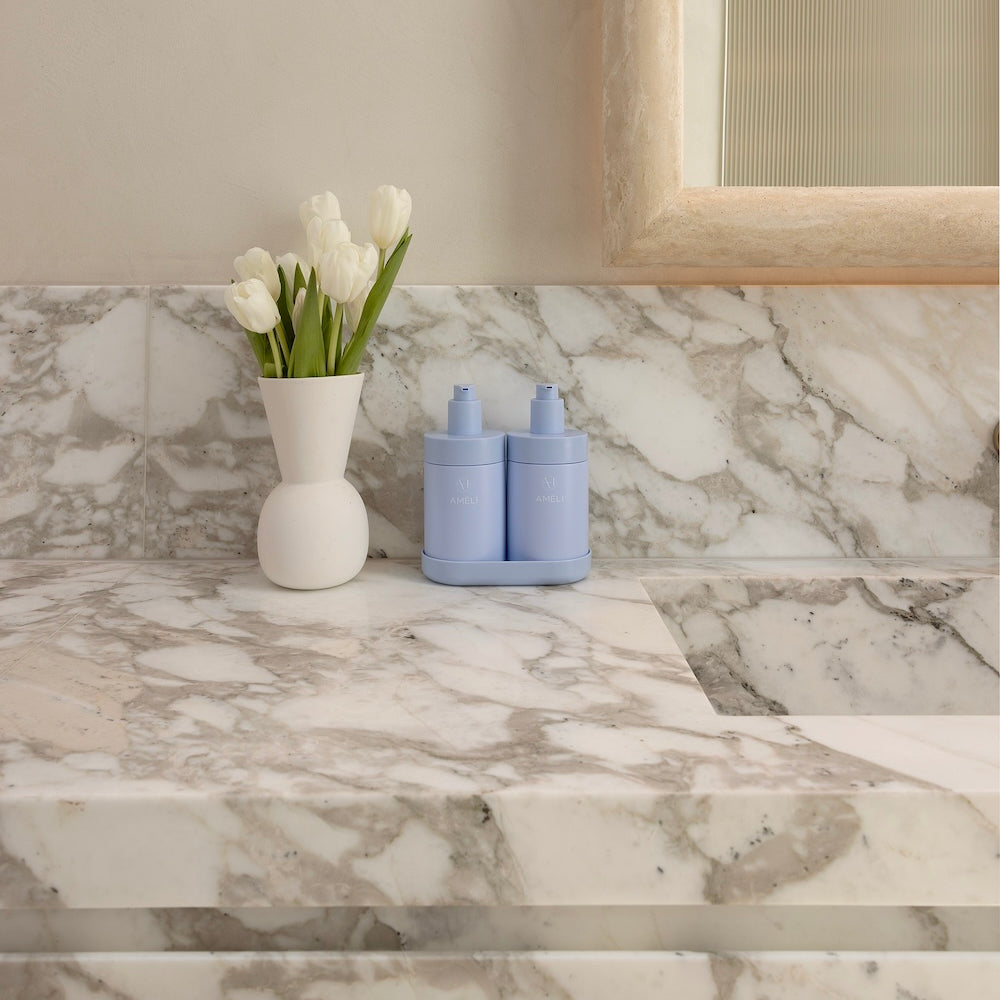
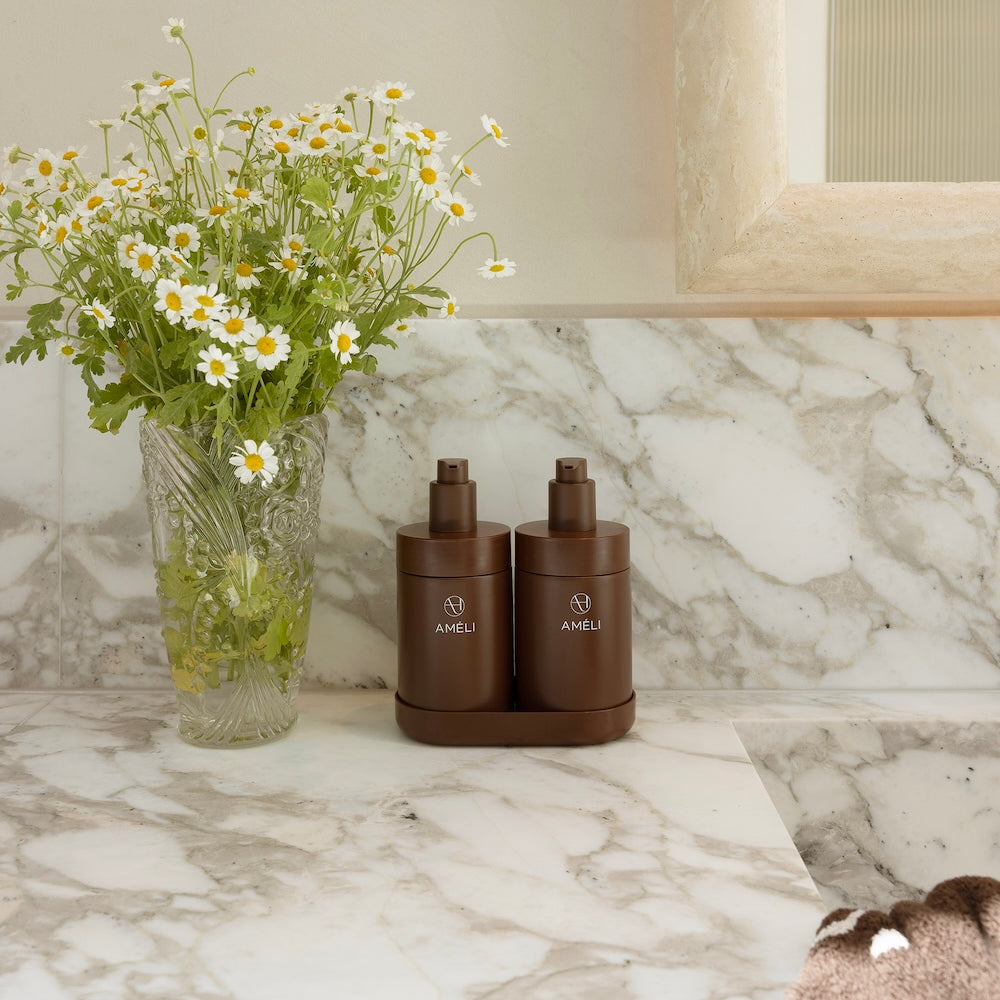
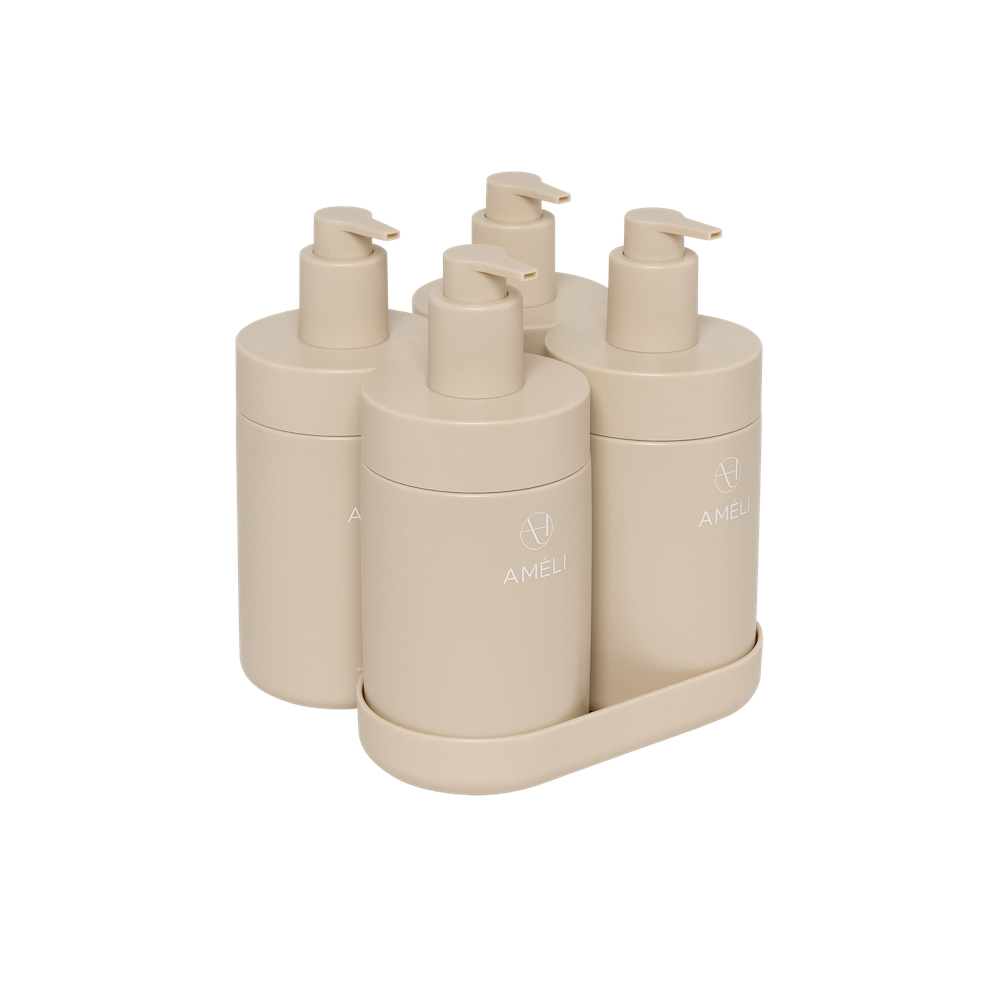
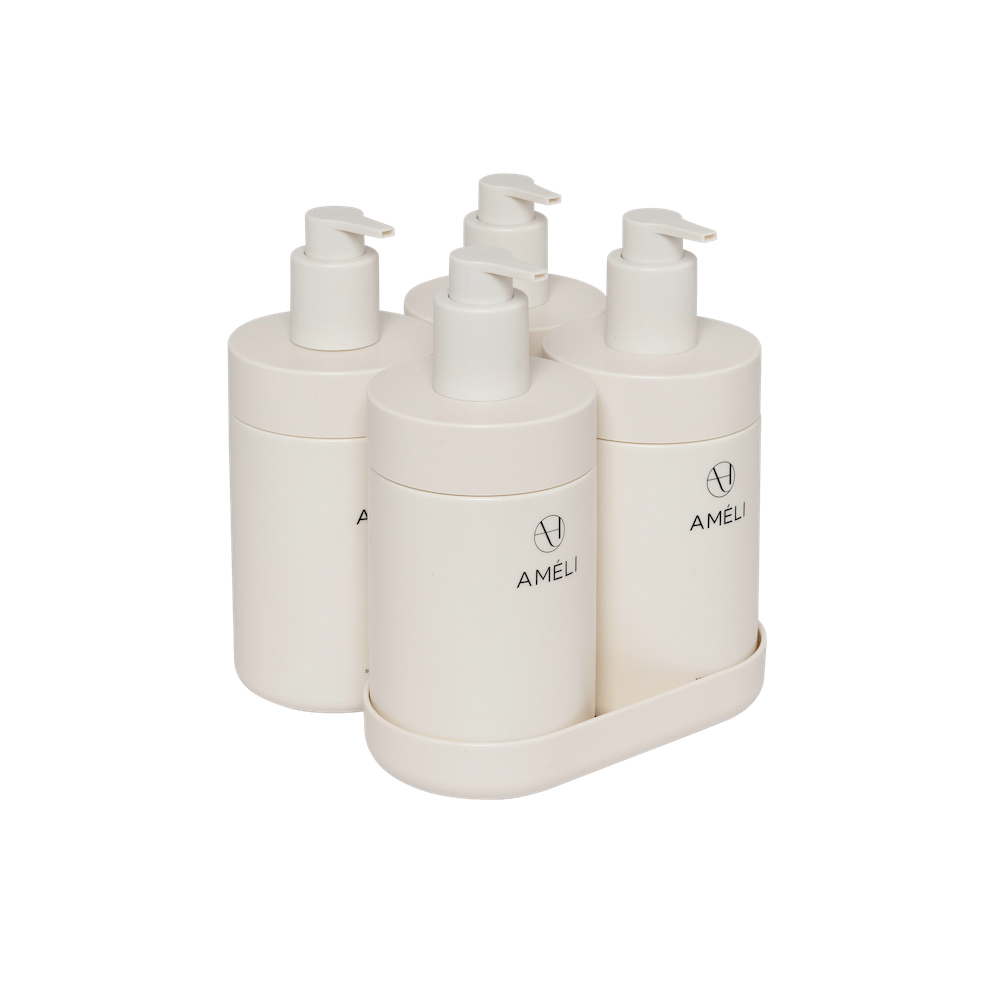
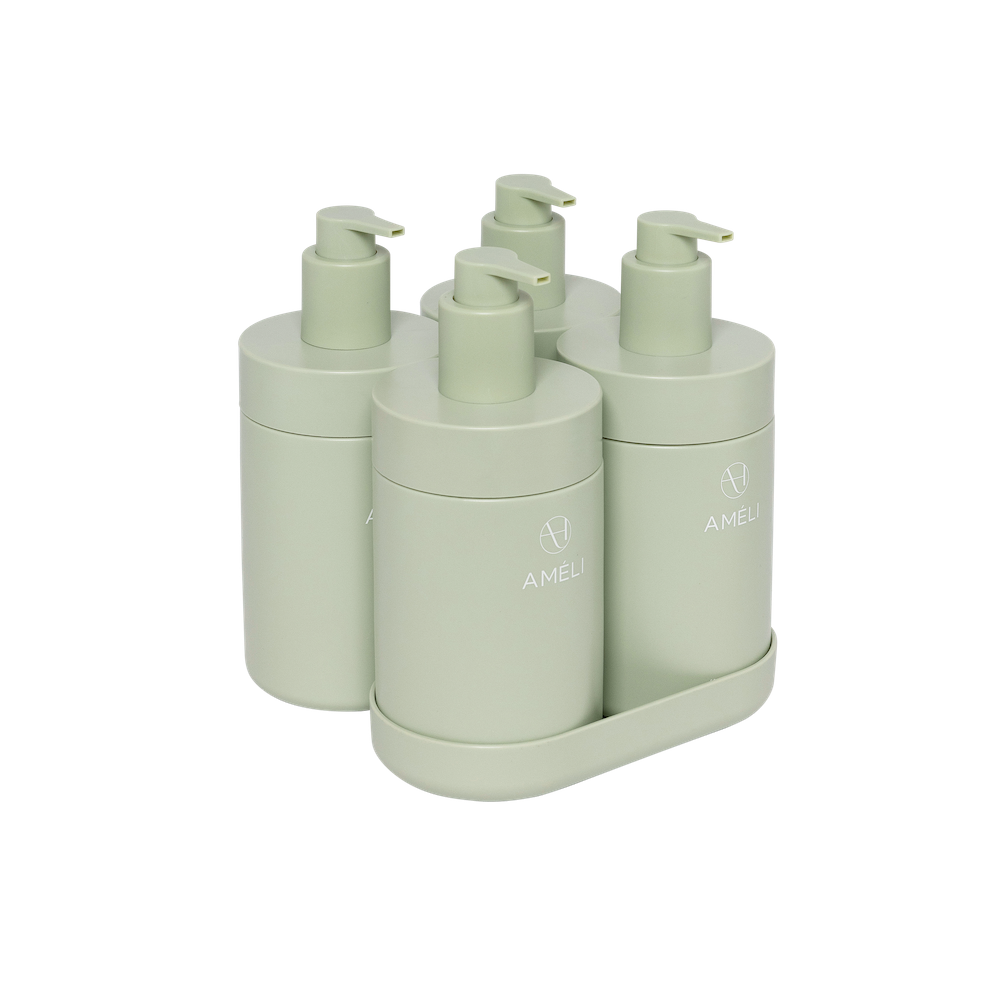
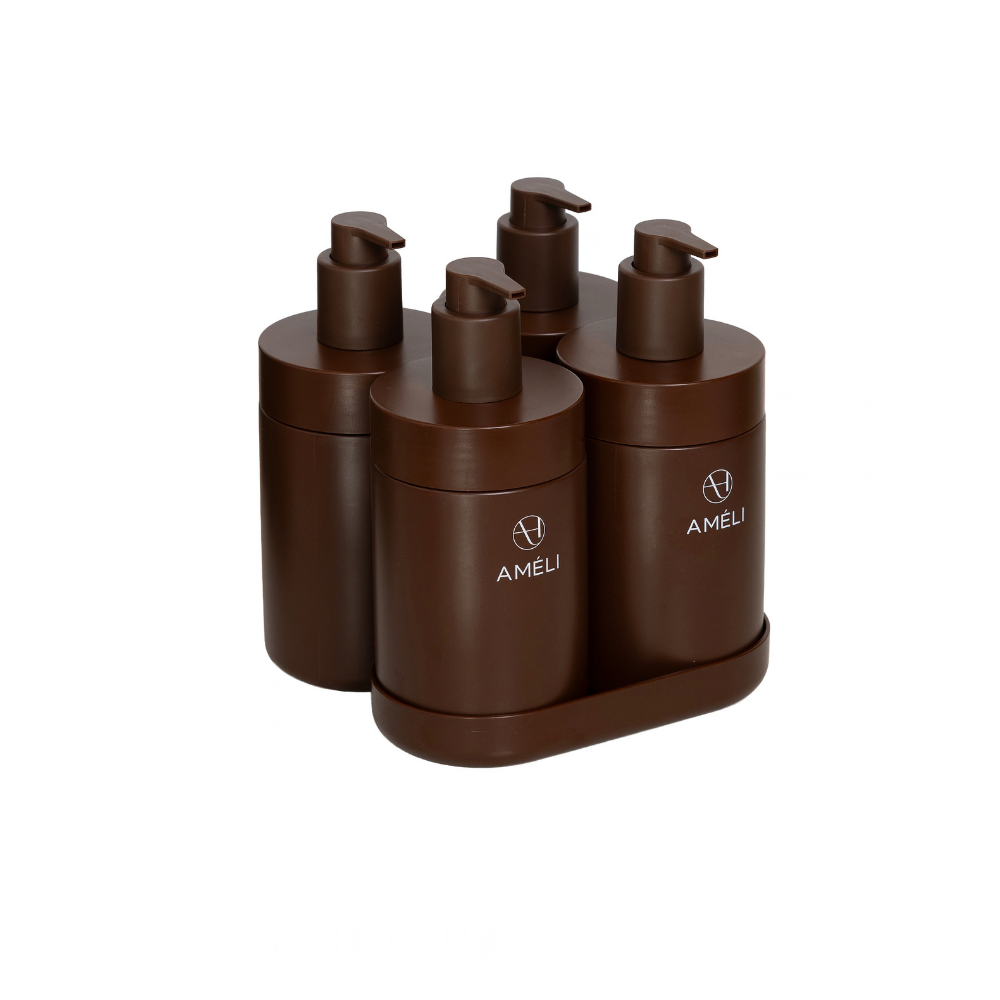
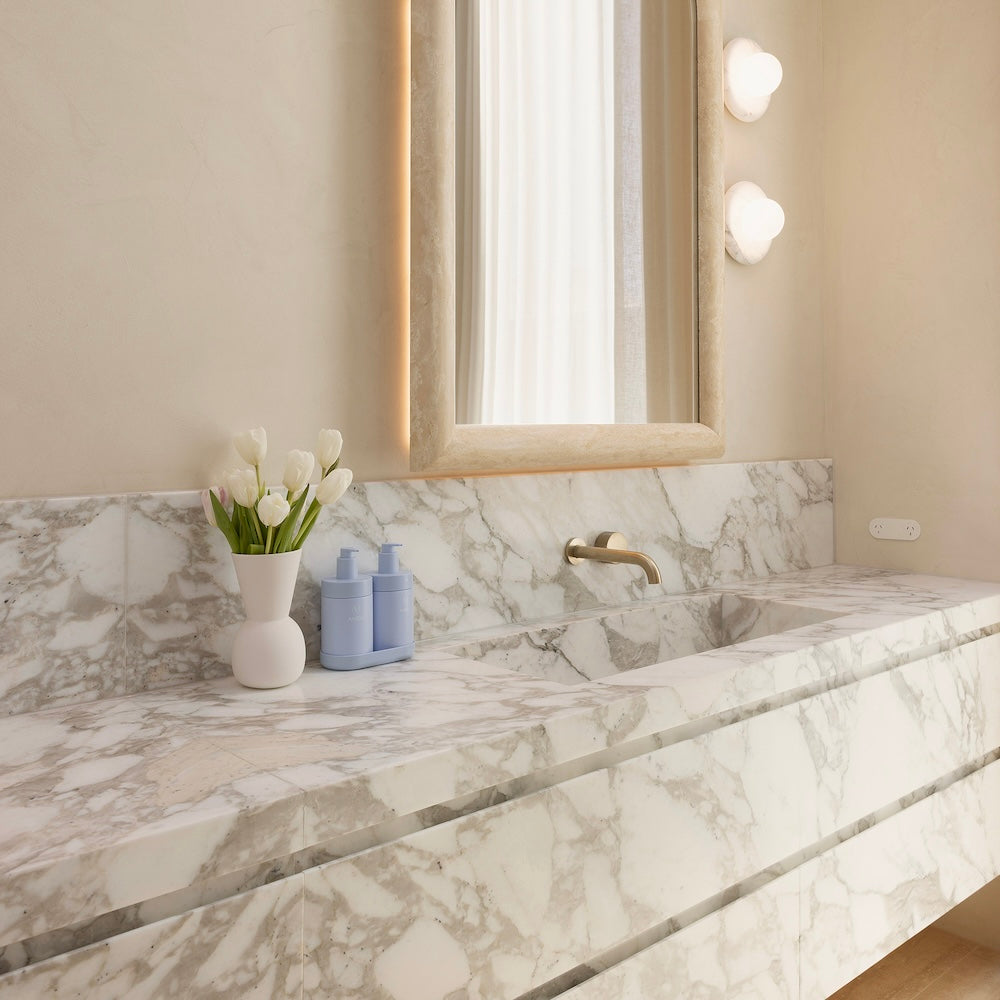
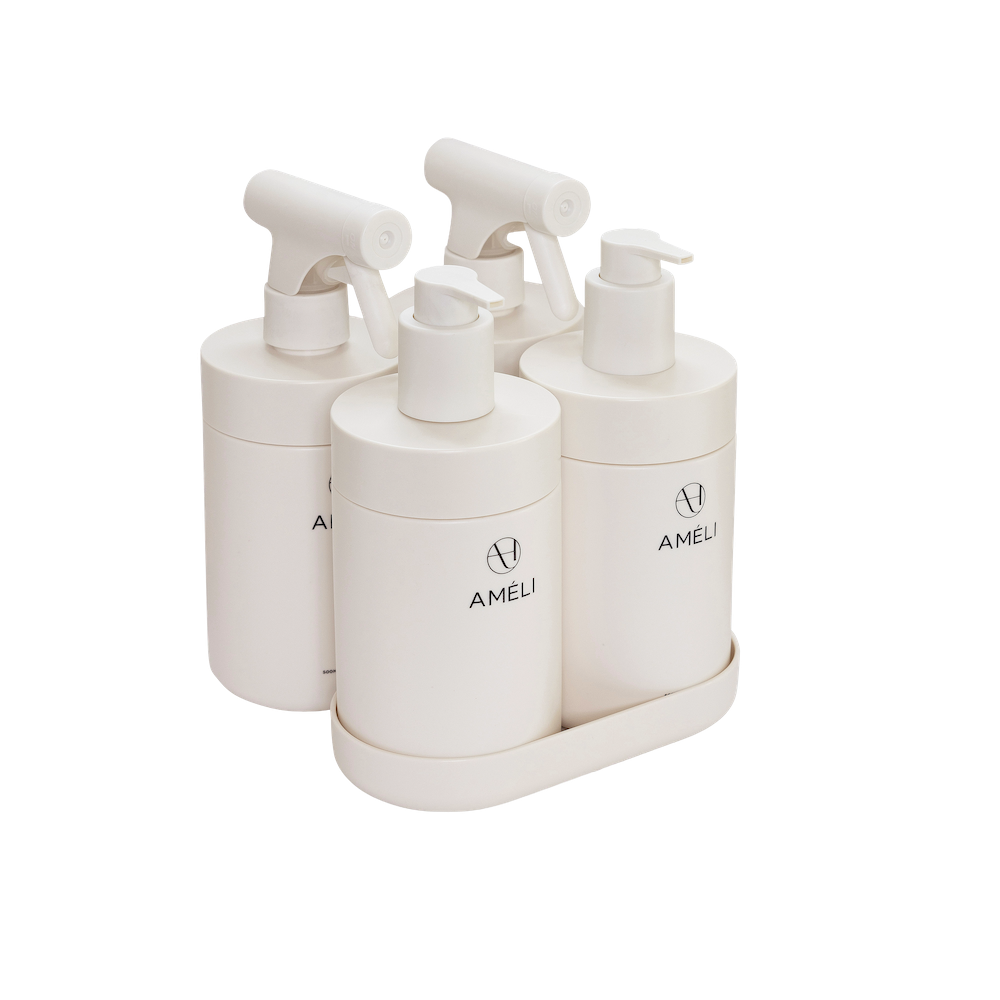
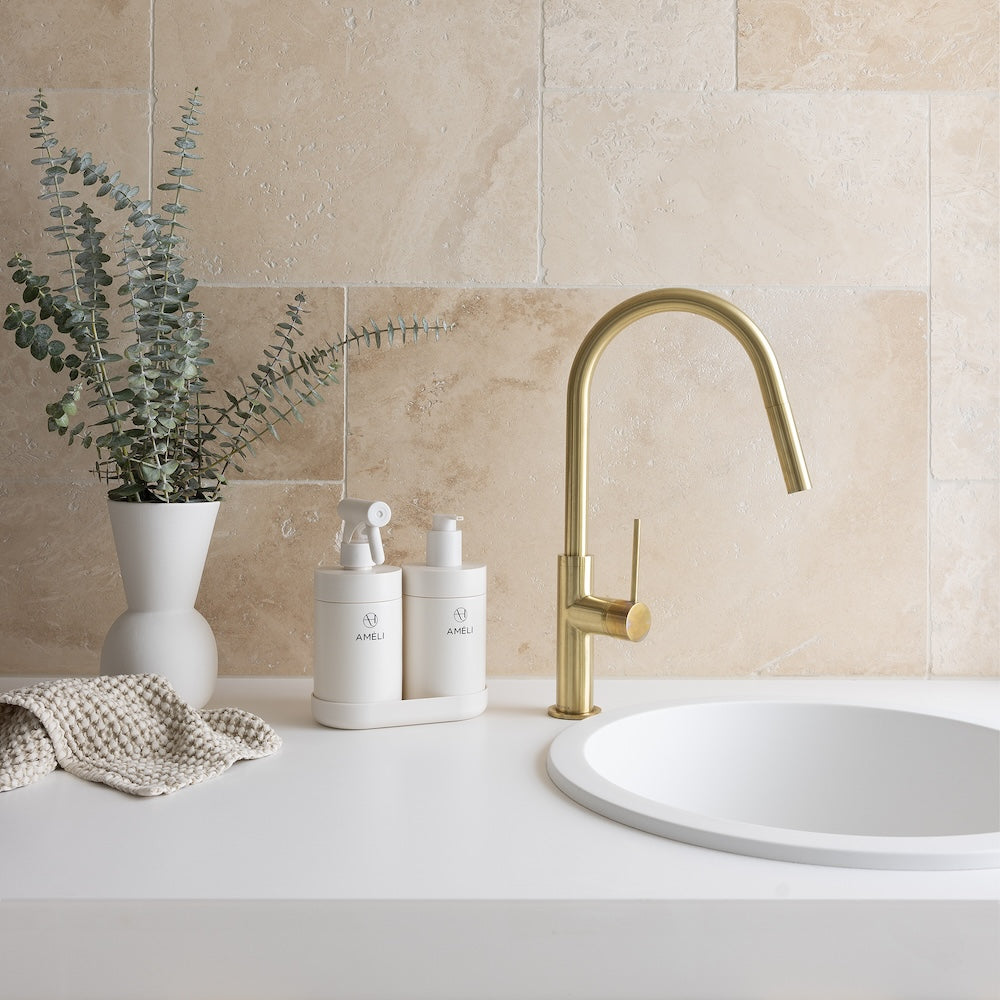
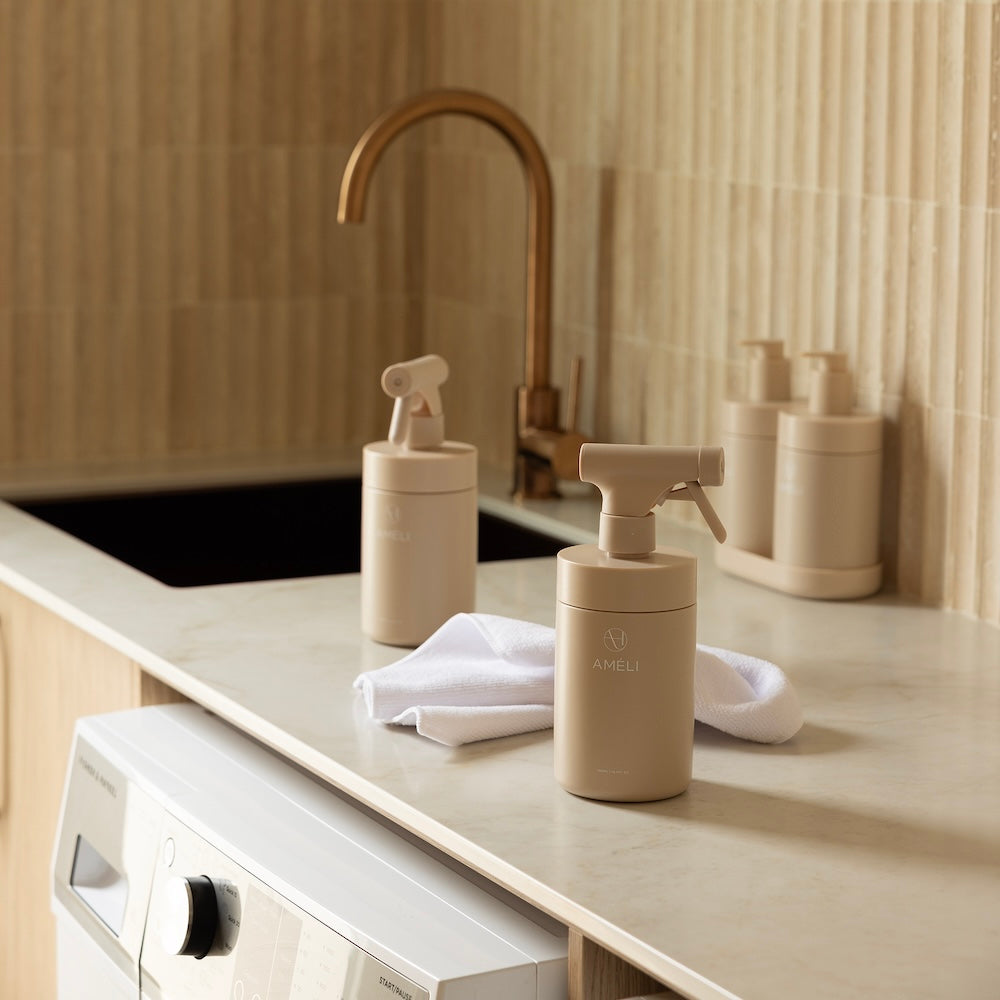
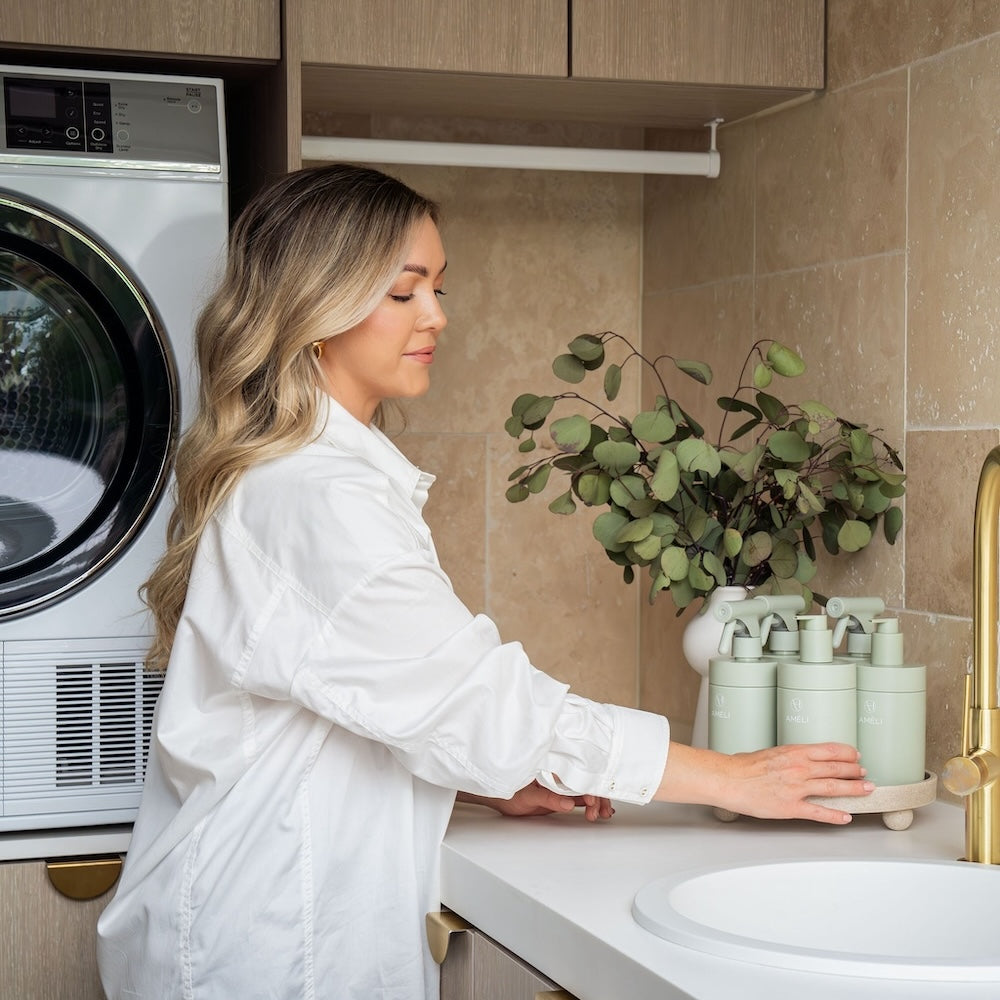
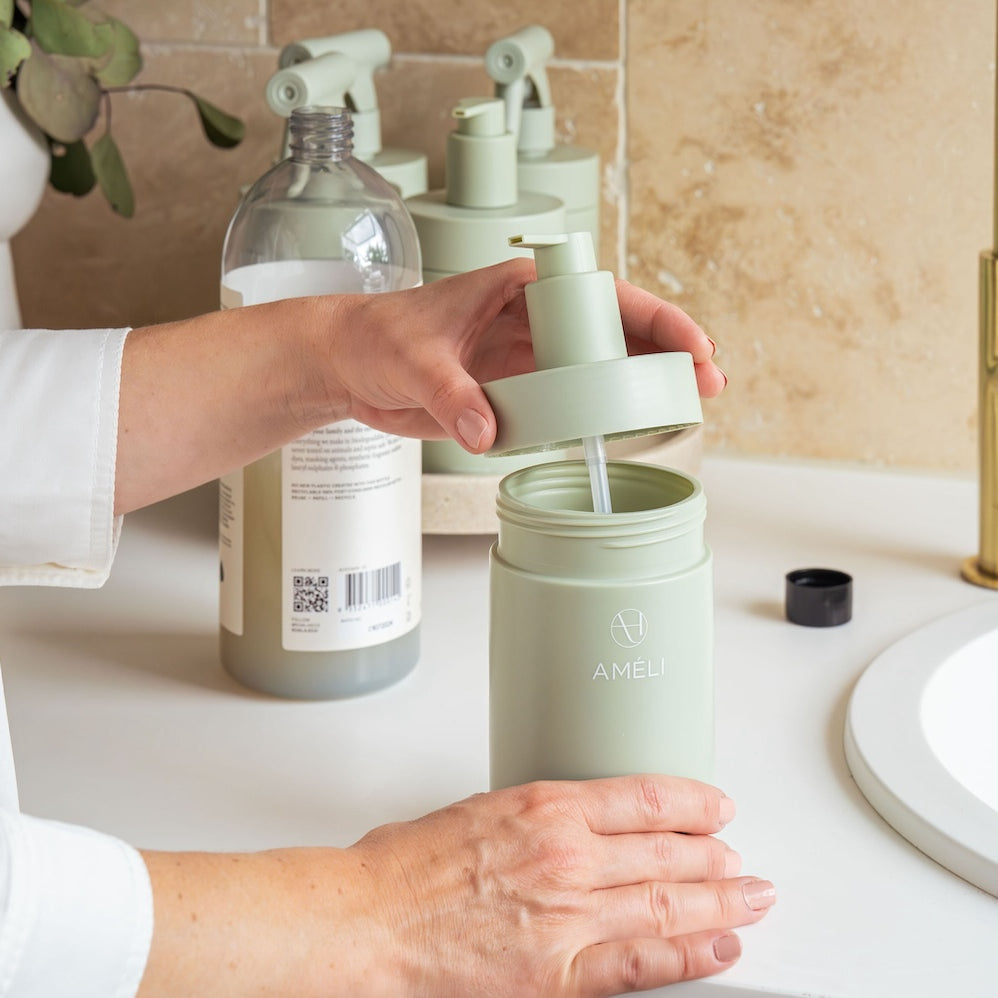
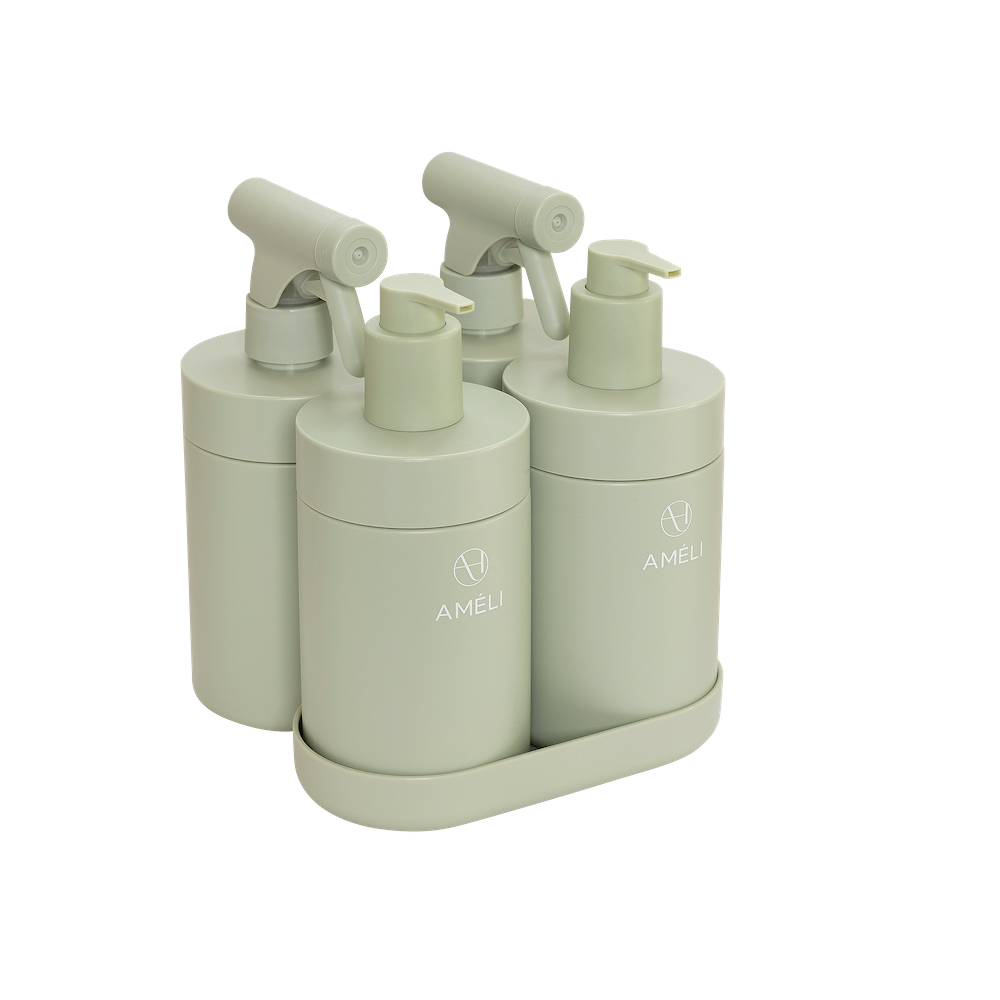
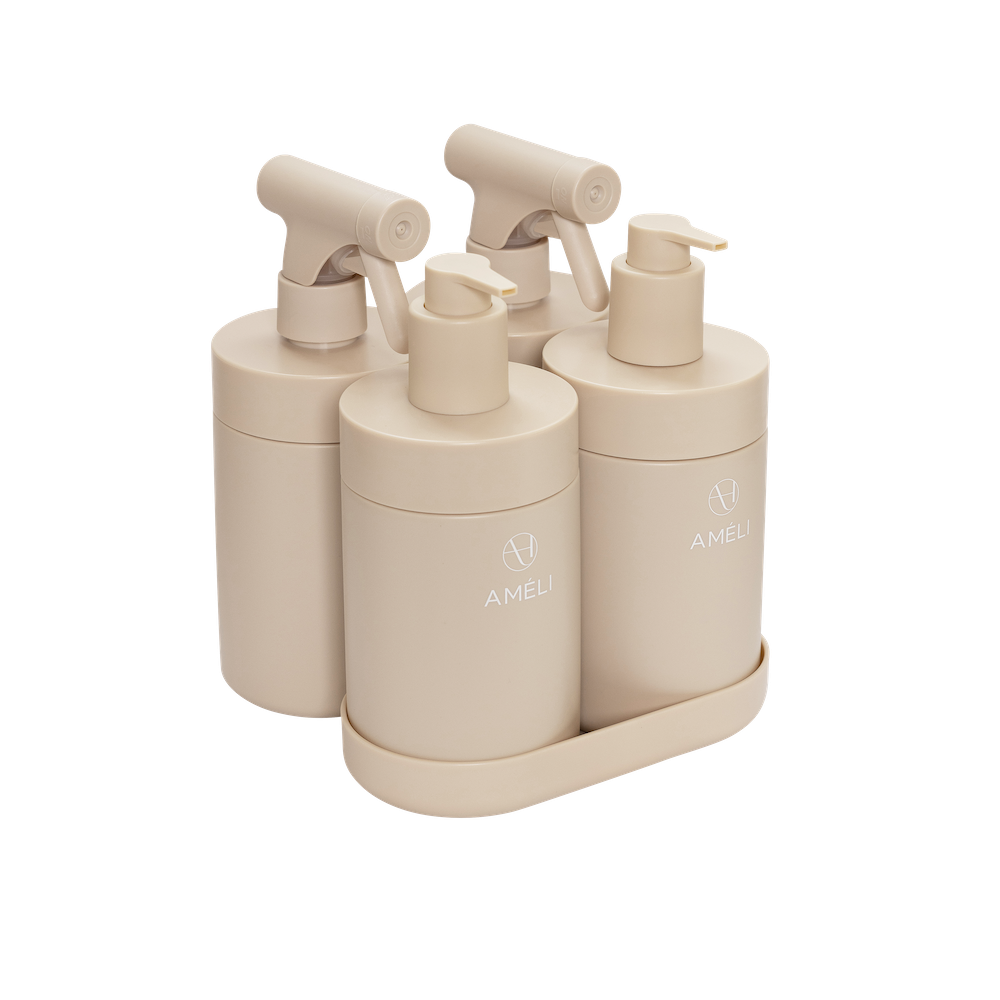
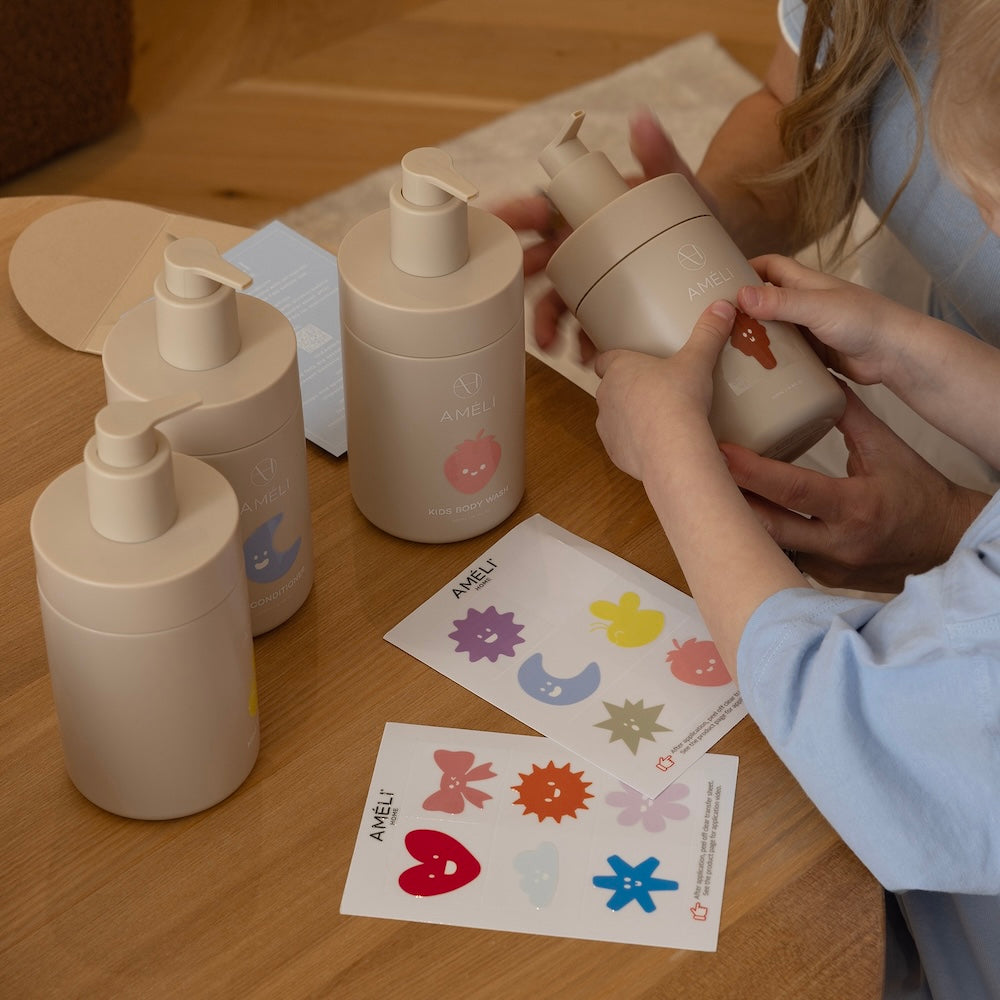
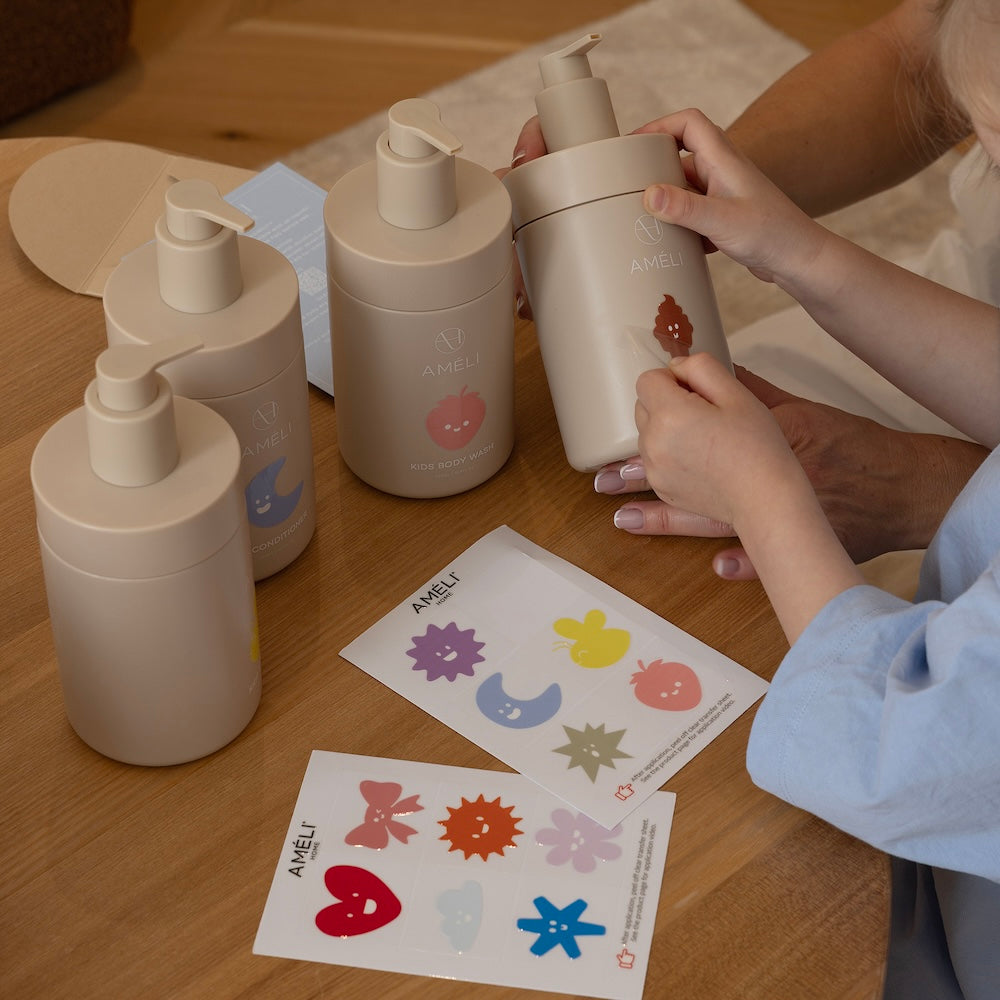
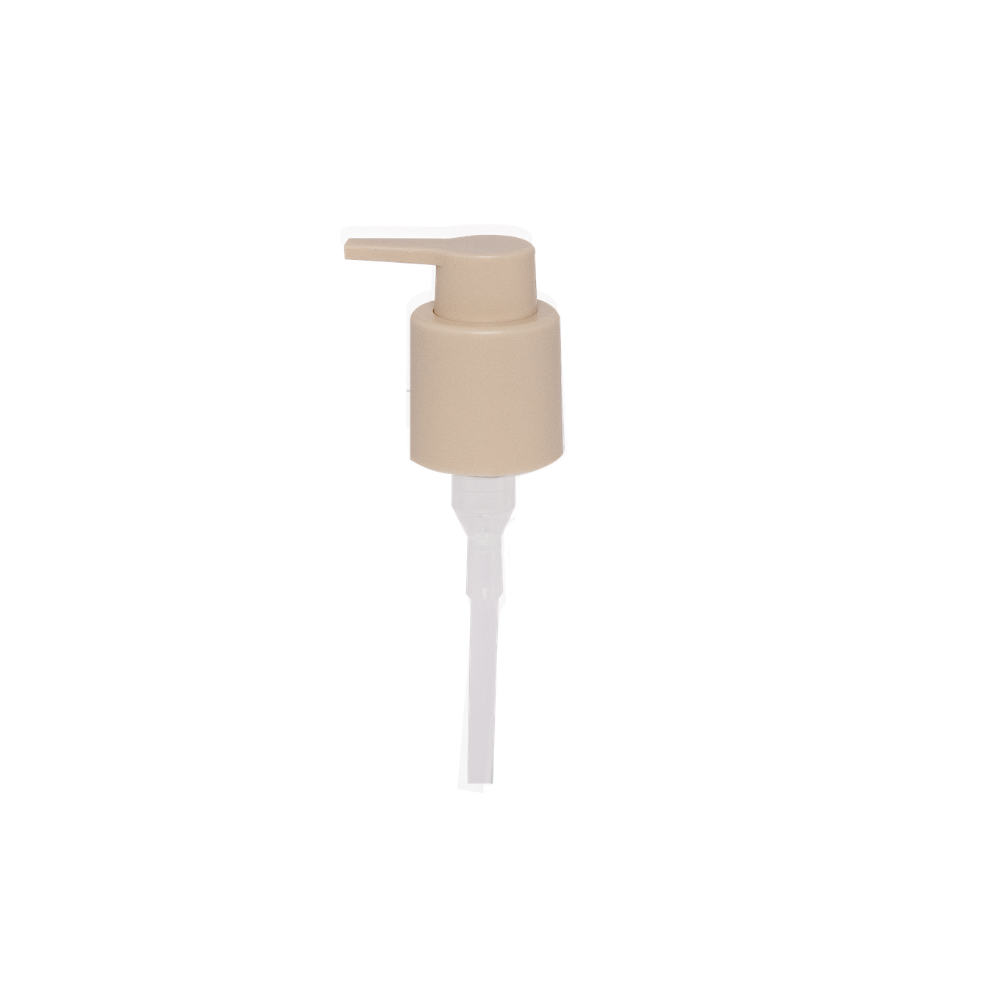
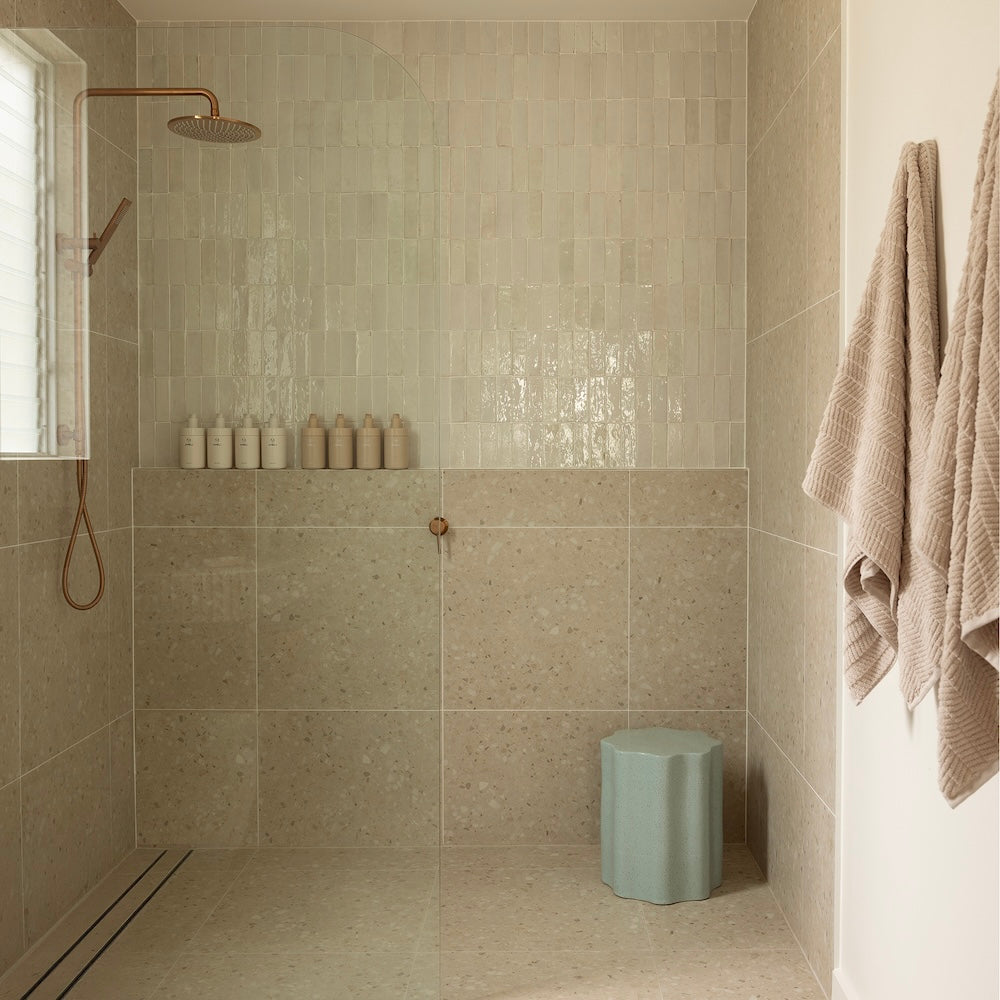
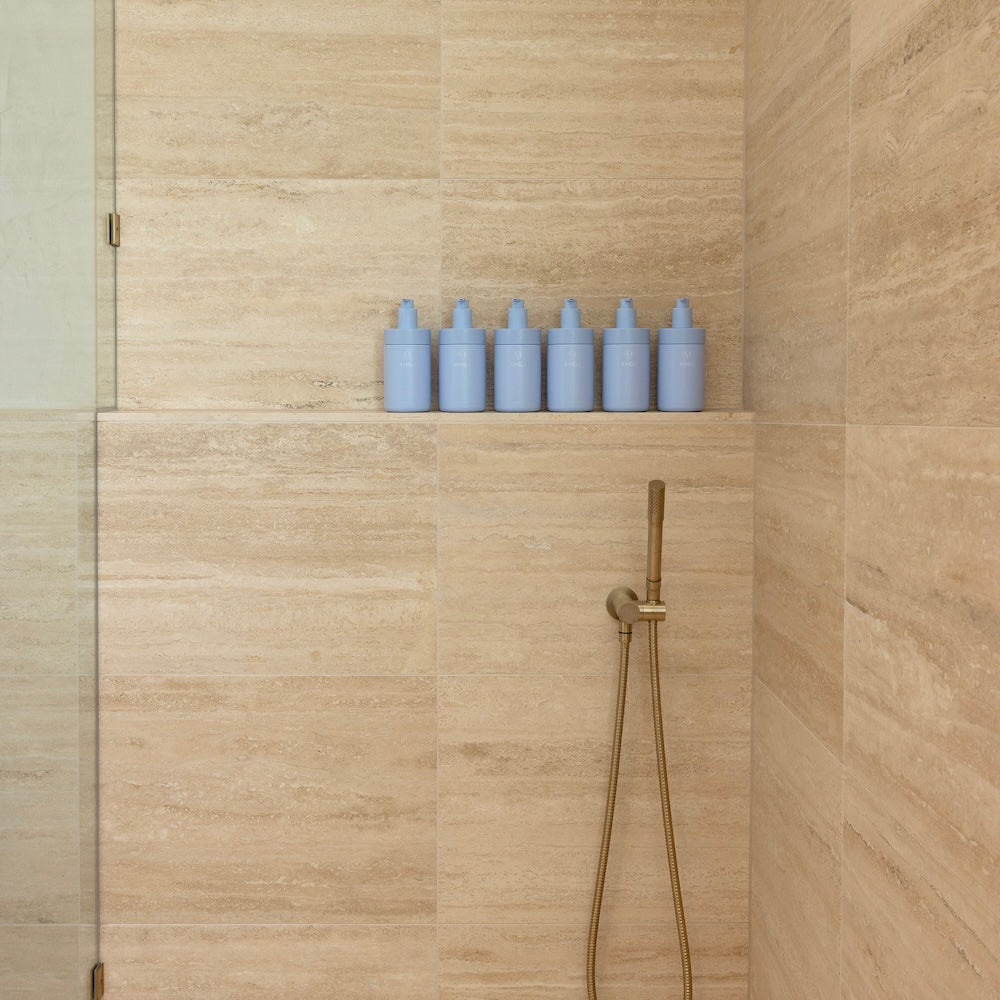
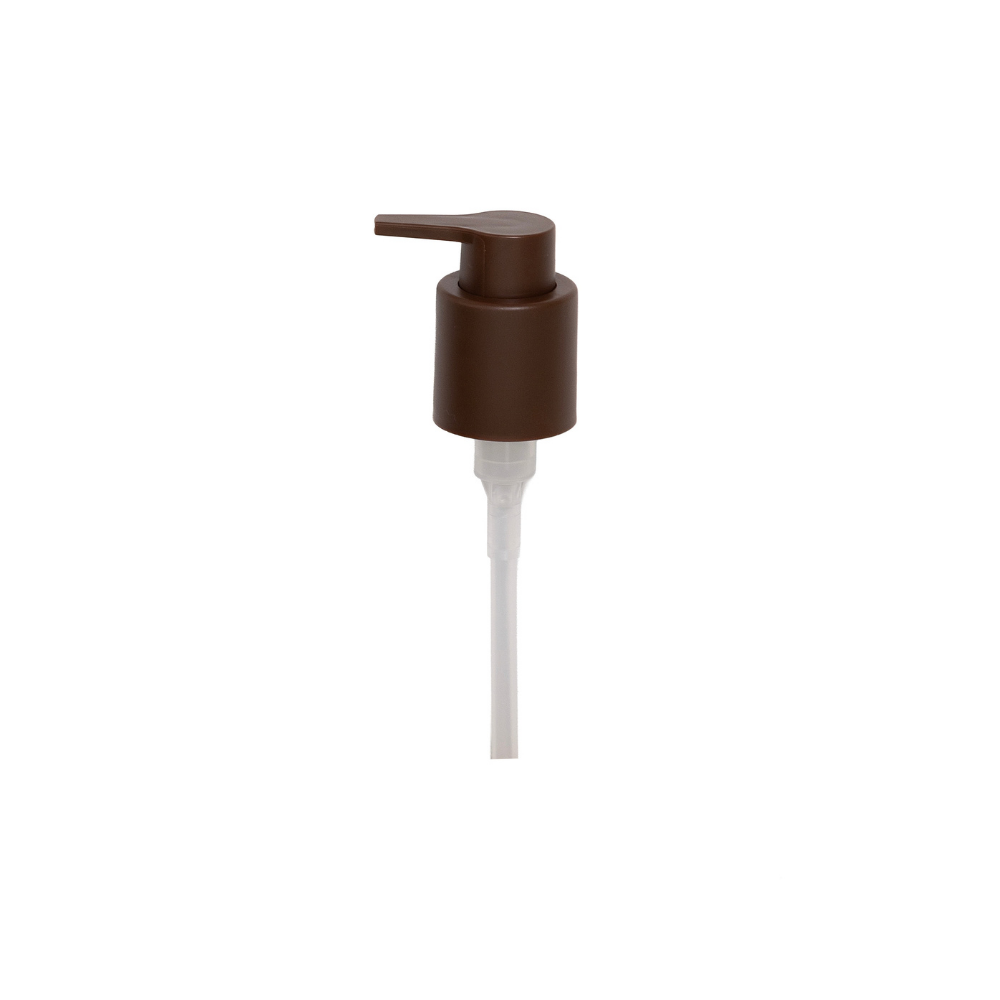
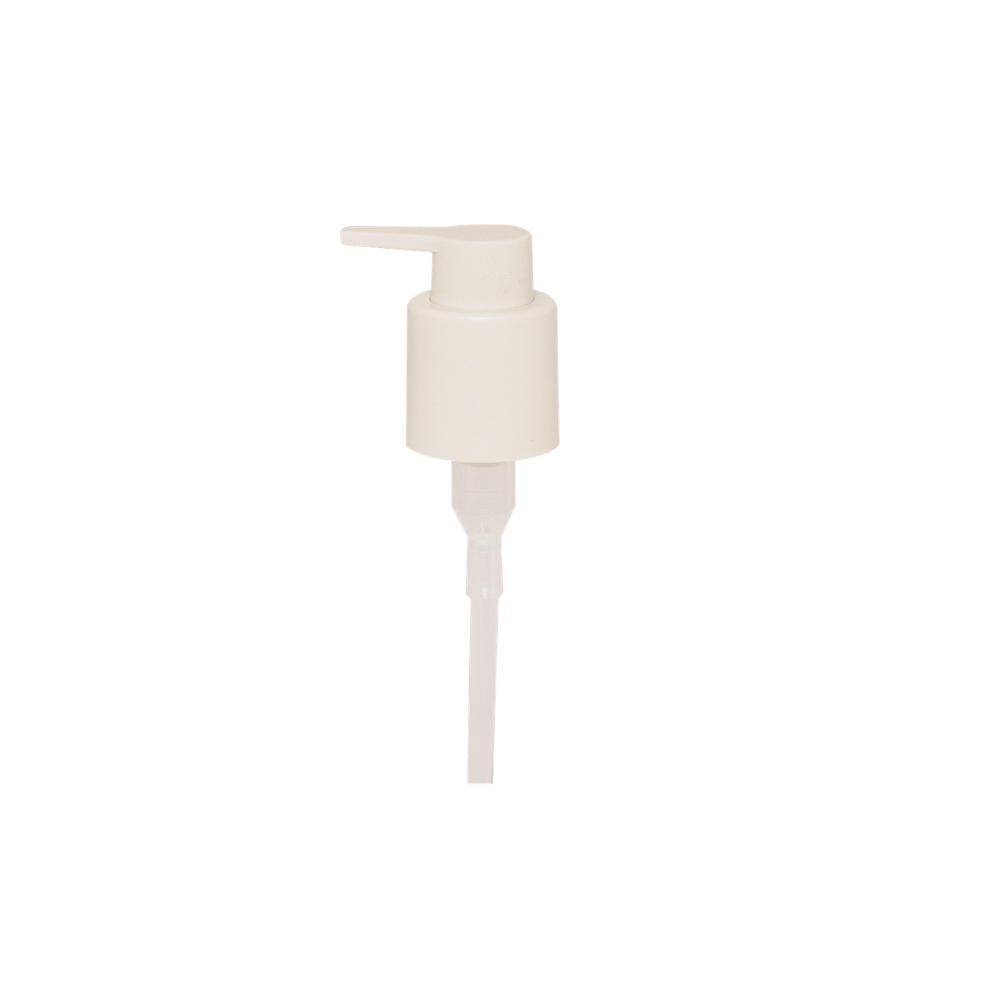
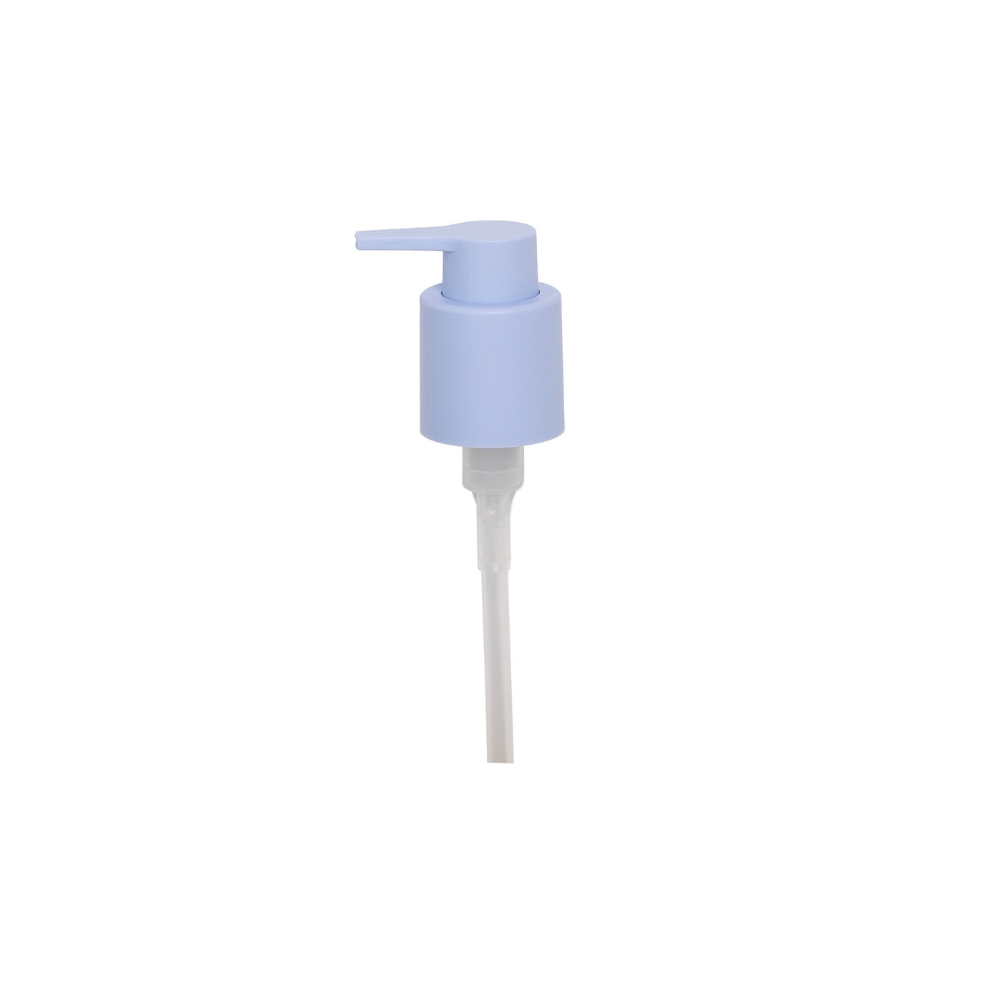
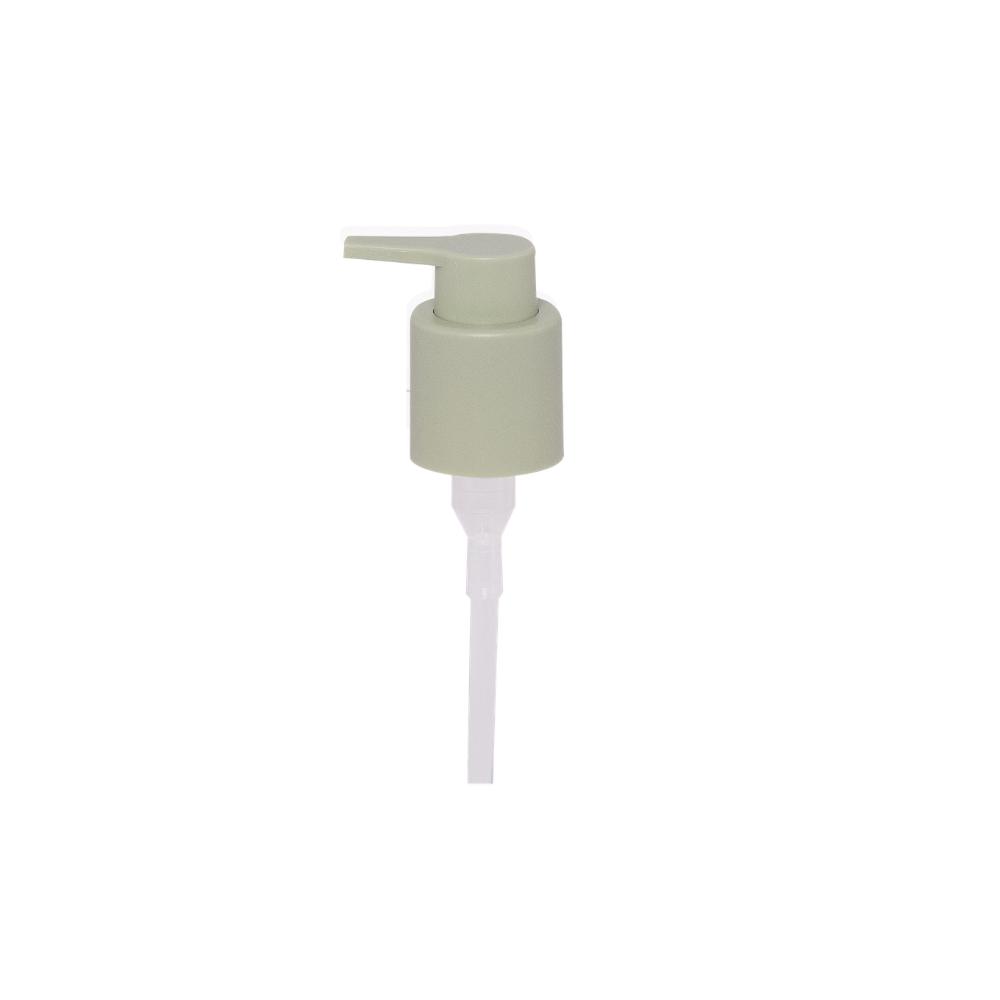
Take a refillable hand soap vessel. At Améli Home, my vessels are designed to last for many years, but I recommend a two year replacement cycle for hygiene purposes. In a typical family home, hand soap is used multiple times a day. Over two years, that adds up to thousands of uses. Spread across that time, a single vessel works out to well under one cent per use.
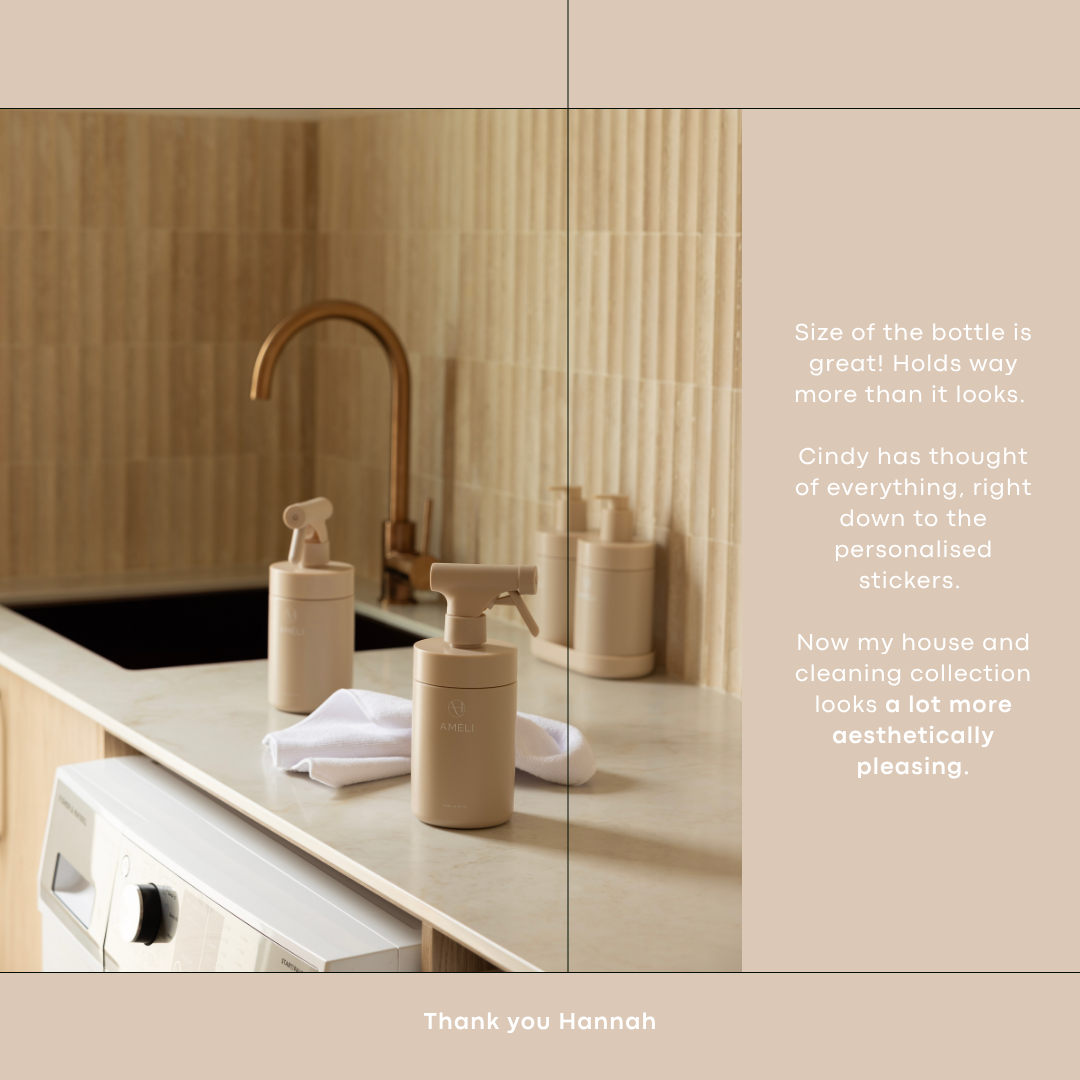
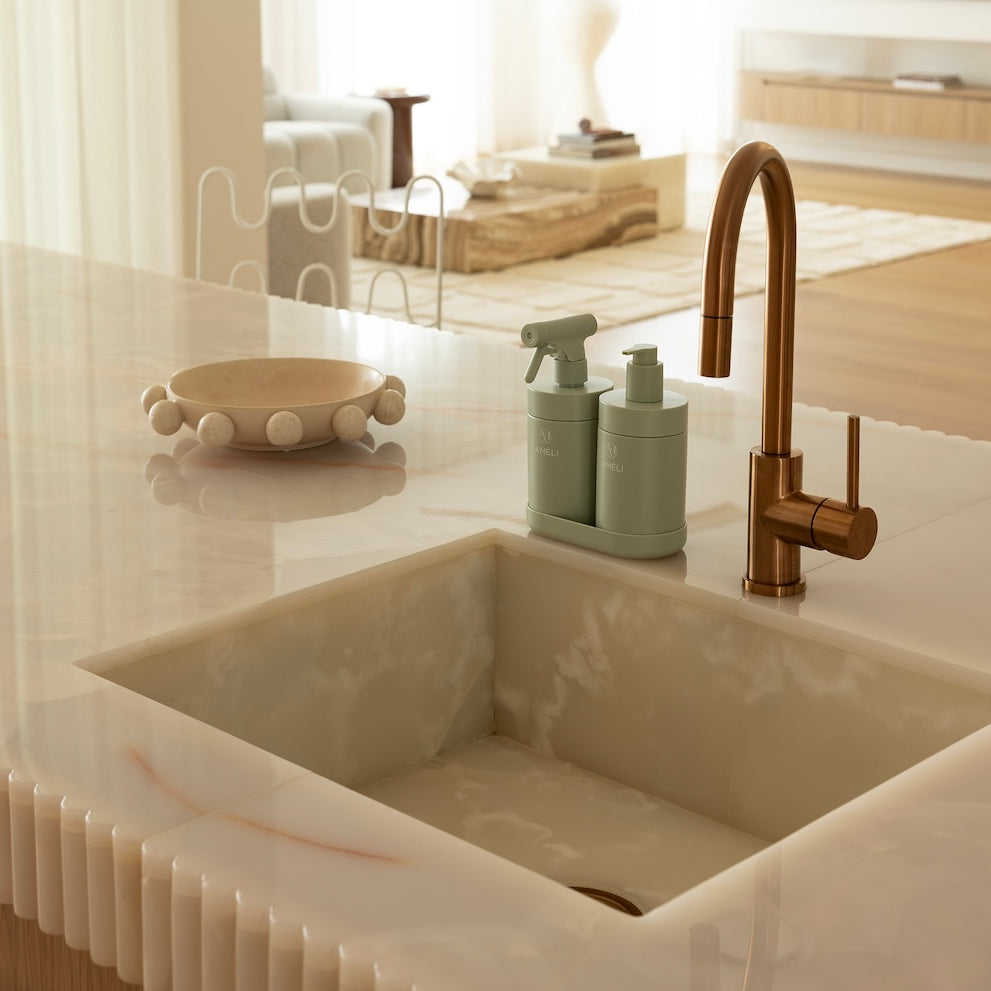
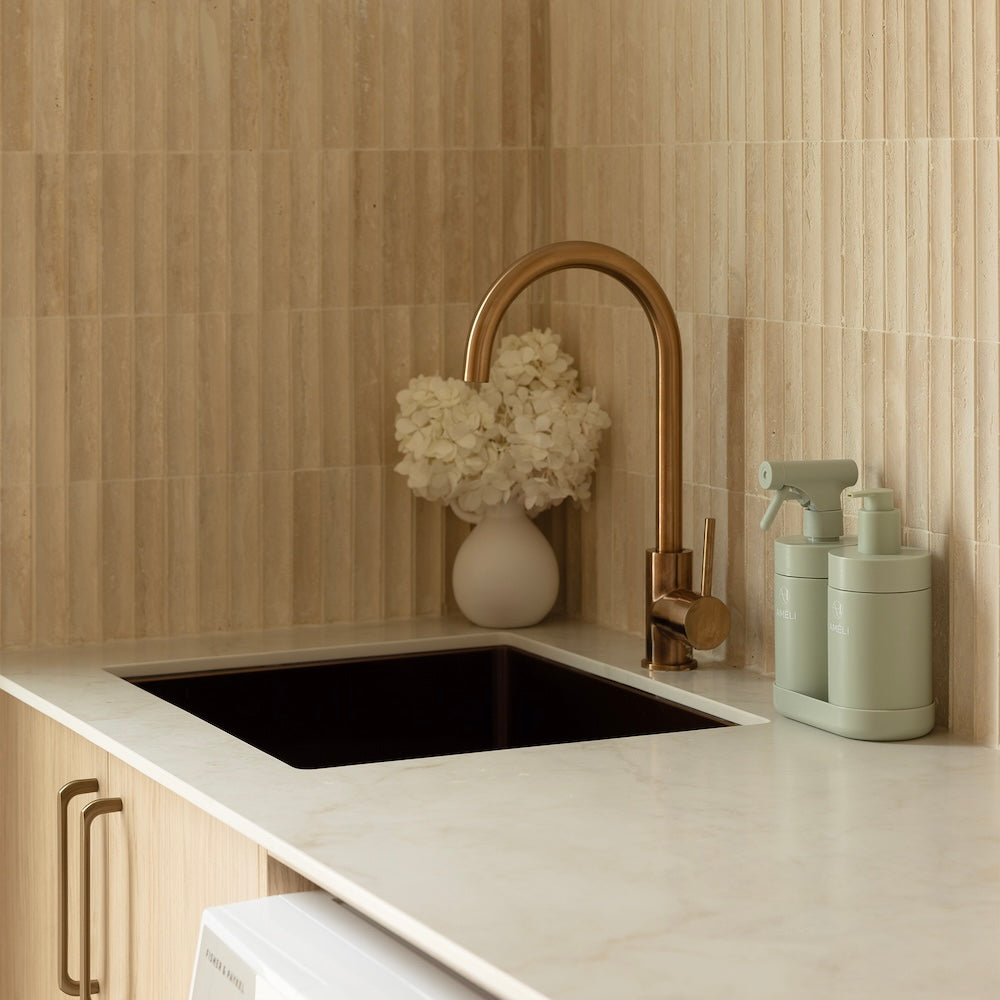
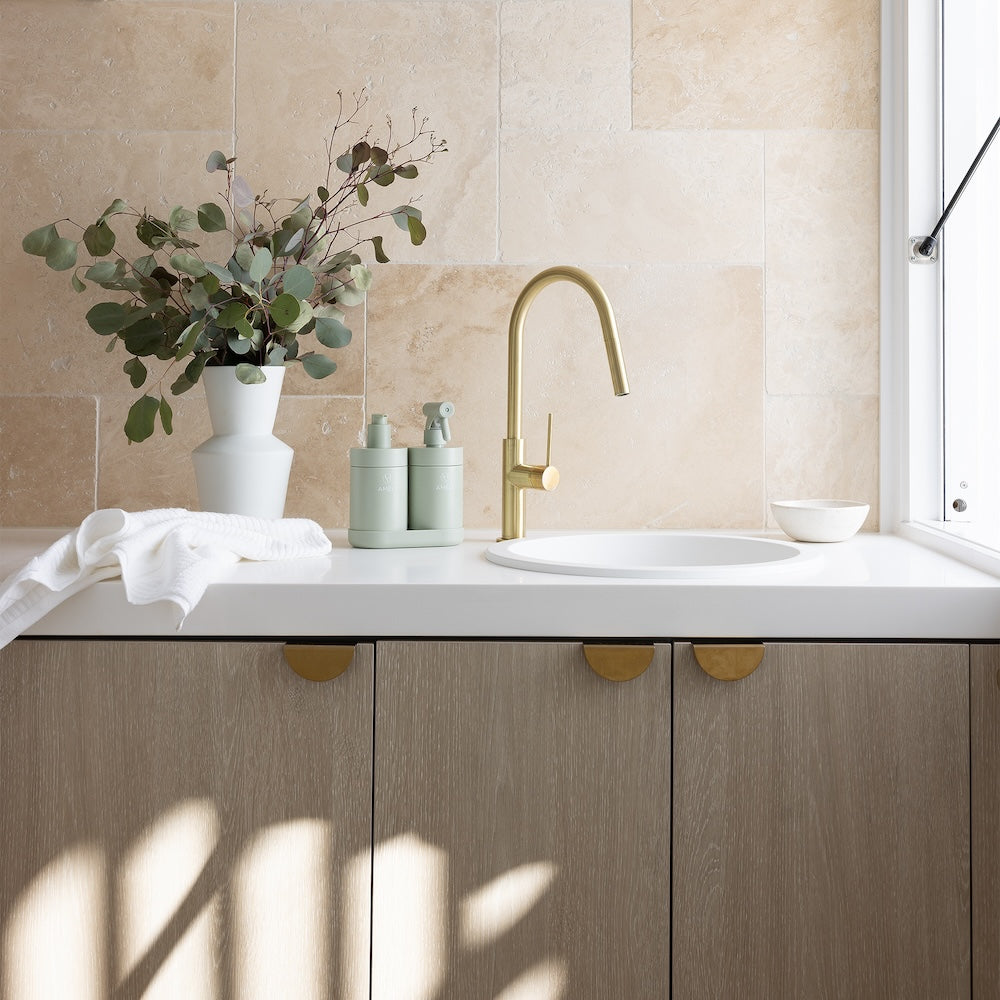
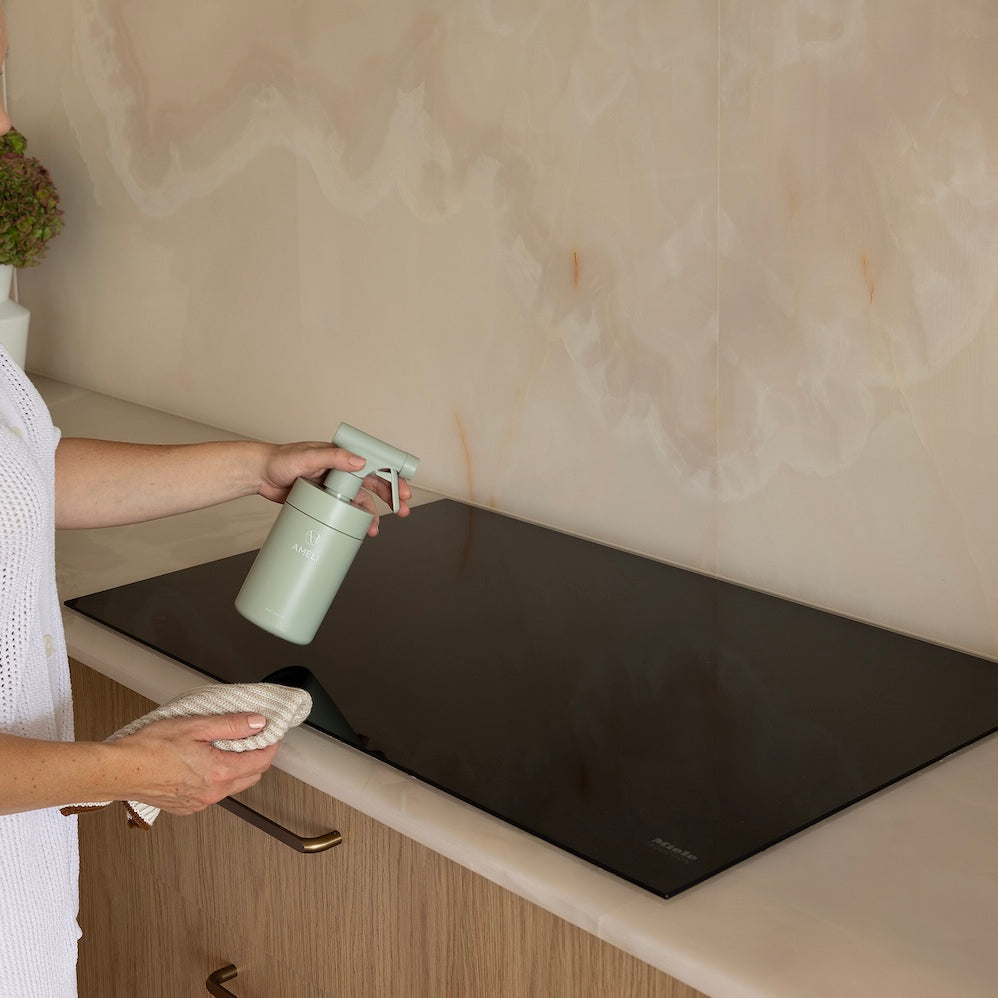
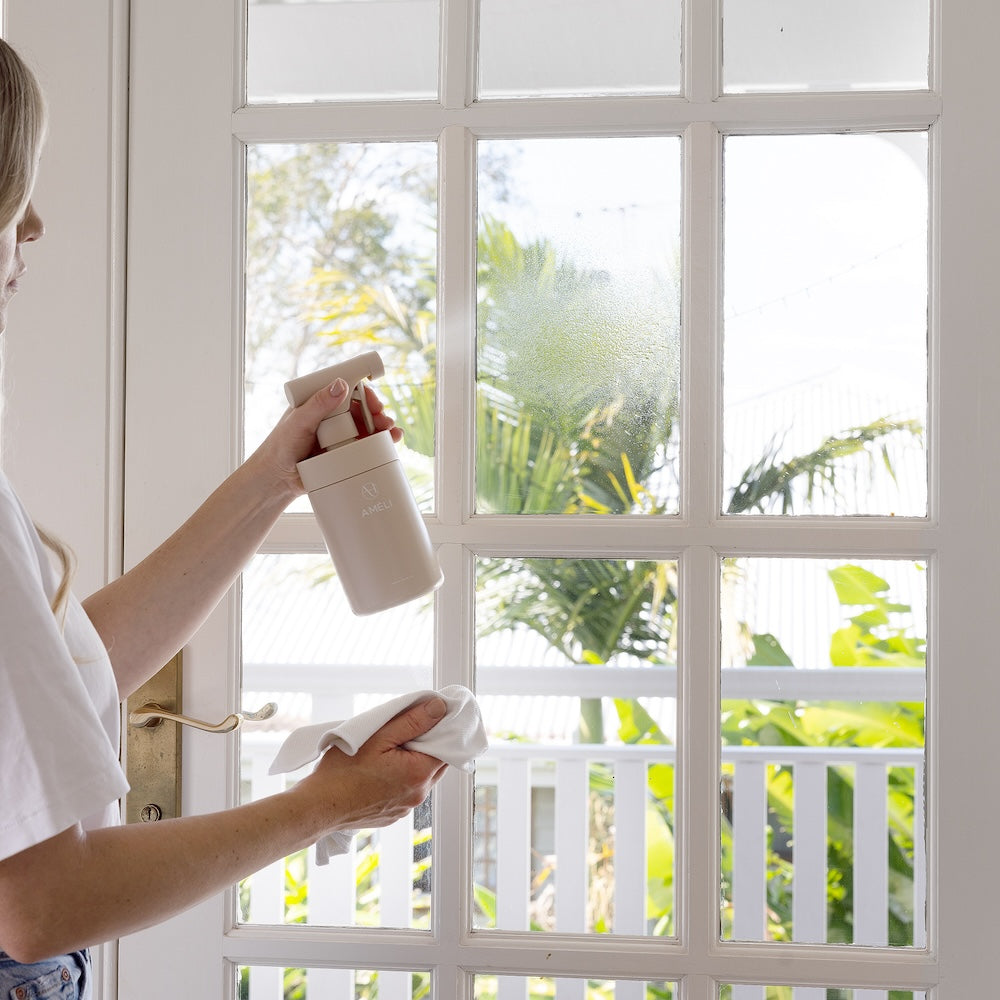
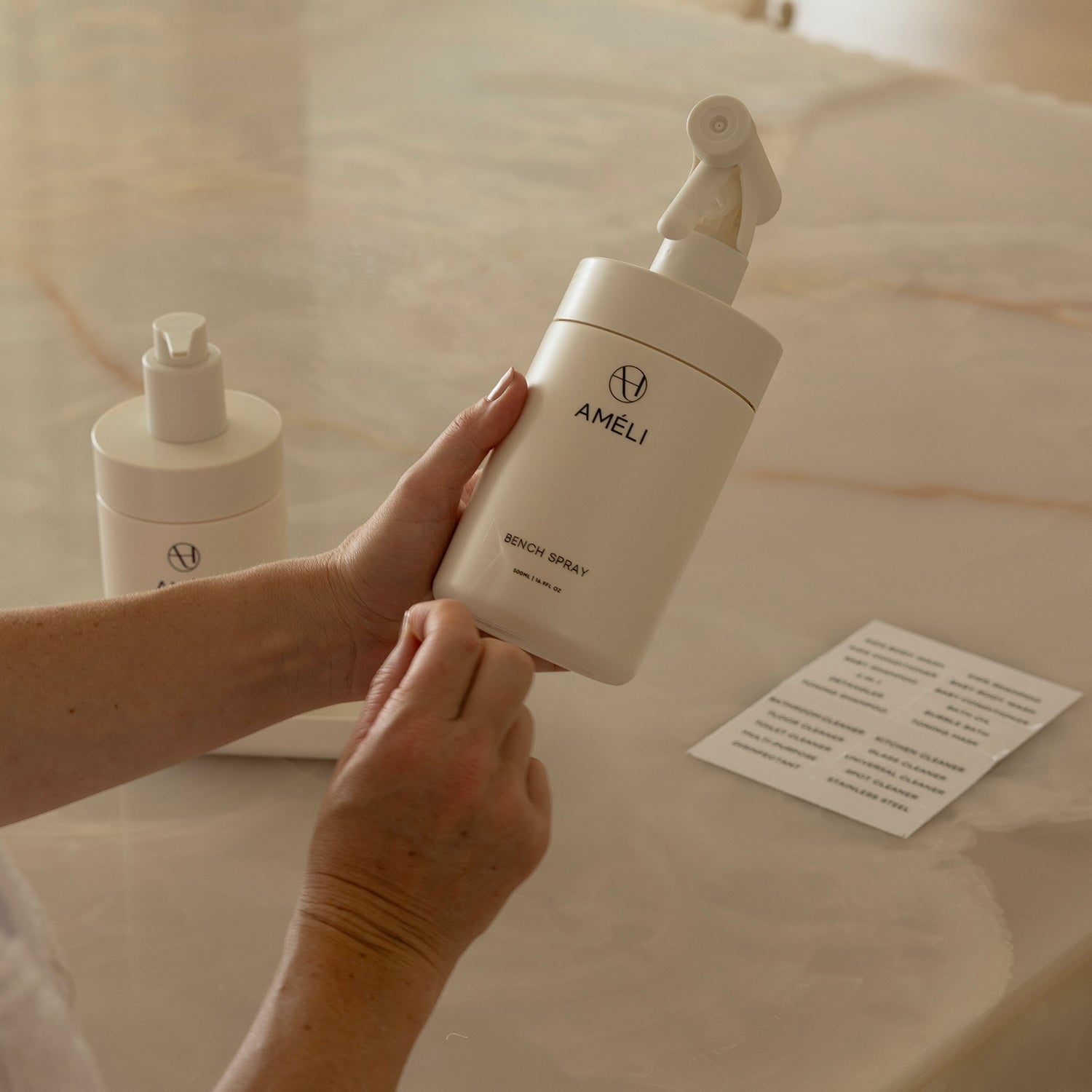
The same logic applies to everyday cleaning. A kitchen bench spray used a few times a day over two years works out to around one cent per use. The numbers themselves aren’t the point. The mindset shift is.
Sustainability doesn’t require perfection. It doesn’t require extreme lifestyle changes or zero waste ideals. Often, it’s about choosing things that don’t need replacing again and again.
Cost per use naturally encourages that way of thinking. It values longevity and durability. It reduces waste without relying on guilt. It rewards considered design over disposability.
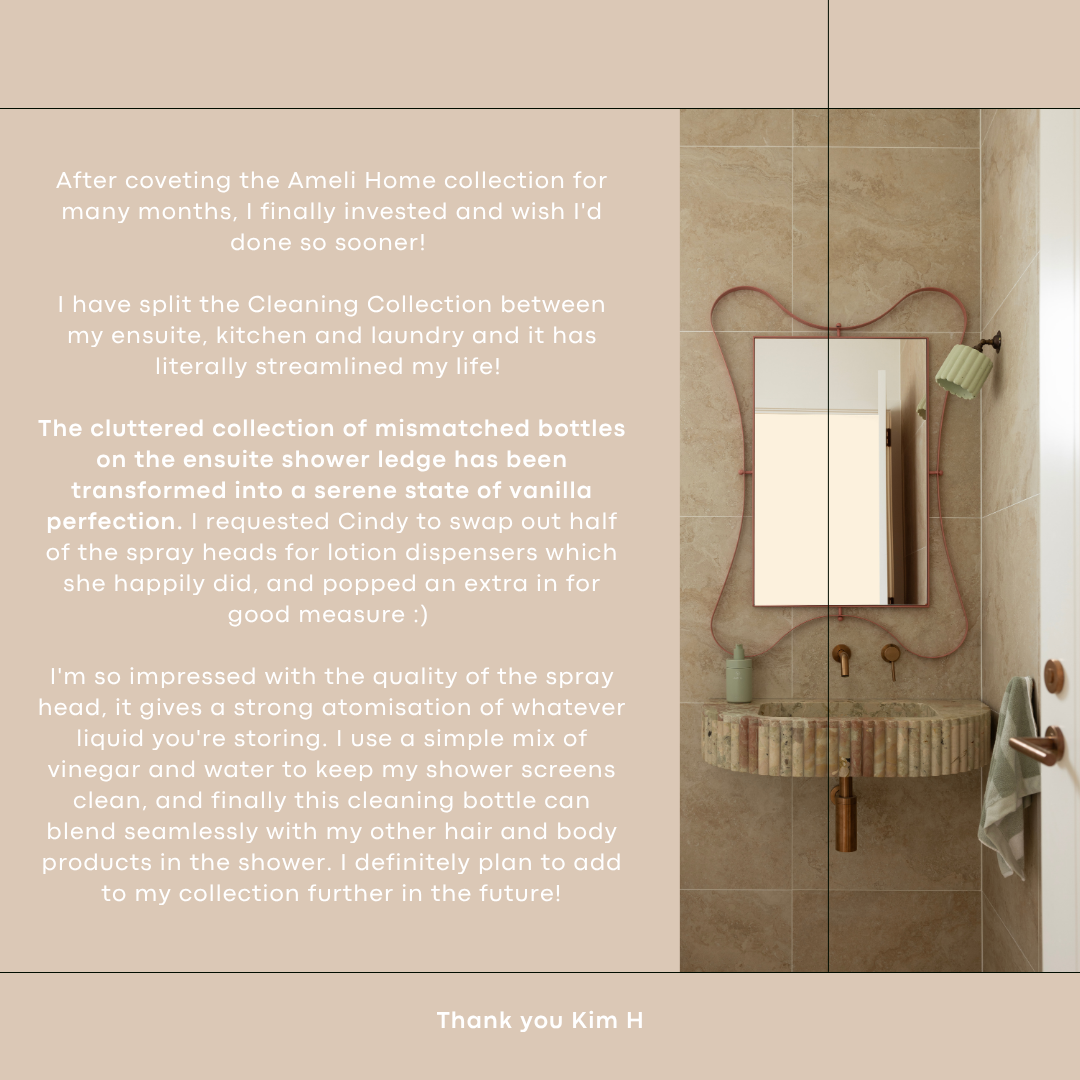
When we think in cost per use, we tend to buy less and choose better. One considered purchase can replace years of single-use plastic entering the home. It’s a quieter form of sustainability, but one that compounds over time.
And for me, that’s the kind that lasts.